


Startling Fact: Outdoor water use makes up nearly 30% of a typical household’s water consumption in the United States, a figure that highlights the tremendous potential for saving water through smarter irrigation. In today’s era of climate change and frequent droughts, adopting water-efficient irrigation solutions is not only environmentally courteous but essential for long-term water conservation. If you want your landscape to thrive without wasting precious resources—and lower your water bill in the process—understanding efficient irrigation is the smartest first step.
Introduction to Water-Efficient Irrigation Solutions: Why Water Conservation Matters
“Did you know that outdoor water use accounts for nearly 30% of total household water consumption in the United States?” – EPA
The demand for water-efficient irrigation solutions has never been higher as communities face water shortages and increasing costs. Water conservation is more than just a buzzword—it’s a responsibility that every homeowner and gardener should shoulder. Traditional irrigation systems often contribute to unnecessary water waste, which strains local water resources and increases household expenses. By investing in efficient irrigation systems, such as smart controllers or advanced drip systems, you can reduce water consumption, support healthier plant growth, and ensure your landscape stays vibrant even during dry spells. The first step in this journey is understanding the impact that outdoor water use has on our daily lives and local environments.
Embracing efficient irrigation helps conserve water for future generations while maintaining the health and beauty of your garden. By adopting modern technologies and proven watering strategies, homeowners not only save water but also increase the value and sustainability of their property. With escalating water rates, every drop counts, and the choices you make about your irrigation system can lead to significant environmental and financial savings.
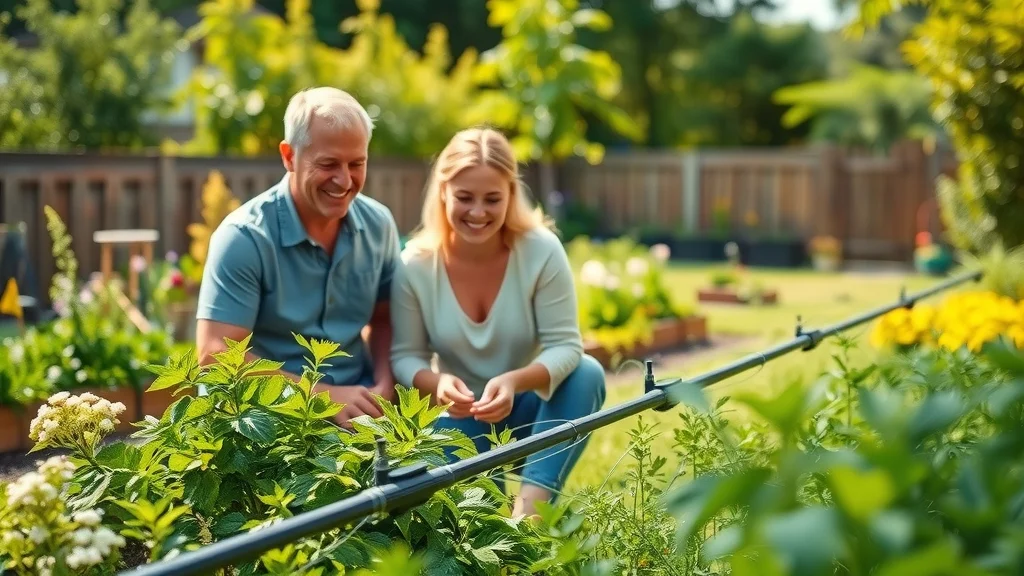
What You’ll Learn About Water-Efficient Irrigation Solutions
- The principles behind water-efficient irrigation solutions
- Types of irrigation systems and controllers for maximum water efficiency
- Expert tips for saving water and reducing costs
- Answers to frequently asked questions about efficient irrigation
Understanding the Importance of Water-Efficient Irrigation Solutions for Water Conservation
The Role of Efficient Irrigation in Saving Water
Water conservation is a pressing issue, particularly in regions that face drought or limited fresh water supplies. Traditional irrigation systems, such as oscillating sprinklers and outdated spray heads, often distribute more water than lawns and gardens actually require. This leads to runoff, evaporation, and water waste—problems that can be mitigated by adopting efficient irrigation methods. Water-efficient irrigation solutions are designed to deliver water directly to the roots of landscape plants, where it’s needed most, thus minimizing excess use and making every gallon count.
Drip irrigation, advanced sprinkler heads, and soil moisture sensors are just some of the technologies that help homeowners save water without sacrificing the health of their gardens. By leveraging these solutions, you can strategically reduce water usage by precisely targeting hydration and eliminating unnecessary runoff. Not only do these systems maintain flourishing landscapes, but they also offer a sustainable approach to combating growing concerns about global water scarcity.
For homeowners interested in taking a hands-on approach, exploring the local service providers directory can help you find professionals who specialize in sustainable home upgrades, including water-efficient landscaping and related improvements.
Impact of Water-Efficient Irrigation Solutions on Local Water Supply
The cumulative effect of inefficient outdoor watering is significant. If every homeowner in a community improved their irrigation practices, the strain on municipal water supplies would drop considerably. Conventional systems may use thousands of gallons more water than necessary each year, contributing to higher water requirements at a community level and exacerbating periods of drought.
By switching to water-efficient irrigation solutions, communities can extend the life of their water reservoirs and reduce the costs associated with water treatment and delivery. Efficient systems such as drip irrigation or smart controllers not only ensure landscapes remain healthy, they also make the best use of available water by adjusting automatically to weather and soil conditions. This proactive approach helps build a sustainable foundation for urban and suburban environments, and is quickly becoming the gold standard for responsible gardening.
| Irrigation Method | Average Water Used per 1,000 sq. ft. per Month | Estimated Annual Water Savings |
|---|---|---|
| Traditional Sprinkler System | 35,000 gallons | 0% |
| Modern Drip Irrigation System | 14,000 gallons | Up to 60% |
| Smart Controller + Efficient Sprinkler Heads | 18,000 gallons | Up to 50% |

Overview of Irrigation Systems: Types and Key Components
Drip Irrigation and Drip Irrigation Systems: The Gold Standard in Water-Efficiency
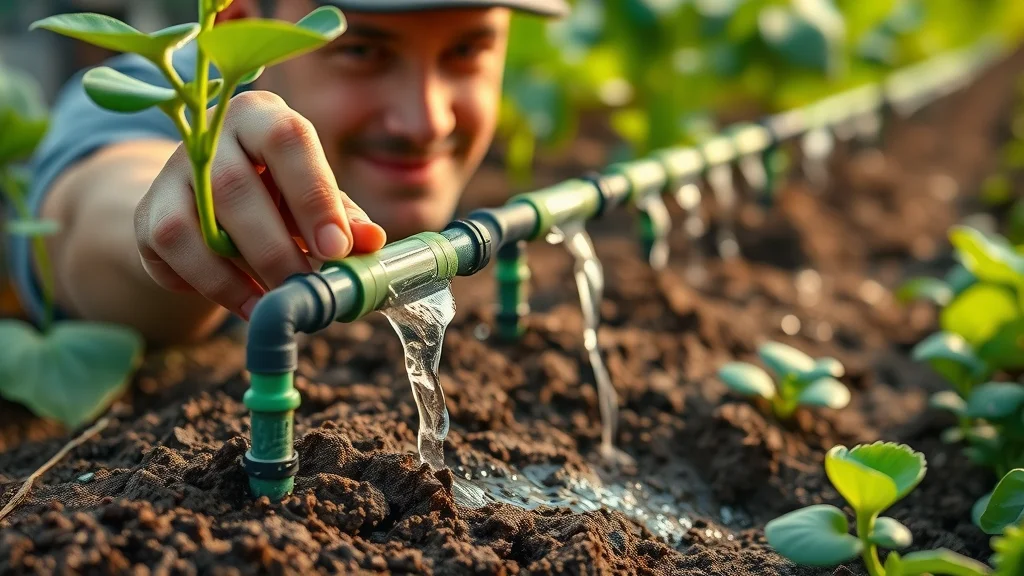
Drip irrigation systems are widely considered the best choice for efficient irrigation, especially in garden beds, vegetable plots, and landscaped zones with shrubs or trees. These systems deliver water directly to the base of plants through a network of tubing and emitters, minimizing evaporation and ensuring every drop is used effectively. Because they apply water slowly and consistently, drip systems prevent runoff and allow for better soil absorption—keeping roots hydrated and healthy.
When compared to traditional sprinkler systems, drip irrigation typically uses up to 60% less water while producing lusher, more resilient plants. By focusing water directly on the root zone, drip systems are ideal for areas with water restrictions or those aiming to conserve water. Many modern drip systems can be integrated with smart controllers or soil moisture sensors, allowing for an even higher level of water efficiency and convenience.
Sprinkler Systems: Sprinkler Heads, Spray Heads, and Their Water Use
Sprinkler systems remain popular for watering large lawns and open landscapes, but not all sprinkler heads are created equal. Traditional sprinkler heads or spray heads can be inefficient due to overspray, uneven distribution, and greater susceptibility to wind drift and evaporation. Modern rotary nozzles or precision spray heads, however, are designed to enhance water efficiency by delivering larger droplets at a controlled rate—significantly reducing runoff and water waste.
Upgrading to efficient sprinkler head designs or integrating smart technology, such as weather or soil sensors, can help ensure that your sprinkler system only operates when truly necessary. This not only helps you save water but also contributes to healthier landscape plants by reducing disease risk from excessively wet foliage. Matching your sprinkler system to the right landscape plant zones and fine-tuning schedules is an essential part of maximizing water savings while maintaining a beautiful yard.
Soil Moisture Monitoring: A Critical Part of Efficient Irrigation
Soil moisture is a vital component in determining how much water your landscape truly needs. Many advanced irrigation systems now feature soil moisture sensors, which measure hydration levels in the root zone and trigger irrigation only when it’s necessary. This prevents both overwatering and underwatering, promoting robust root systems and helping to conserve water by avoiding waste.
These sensors can be connected to either drip or sprinkler systems, automatically adjusting the watering schedule to current soil and weather conditions. By integrating soil moisture monitoring into your irrigation control strategy, you ensure every drop delivered benefits your plants—improving water efficiency and saving money.
Advanced Water-Efficient Irrigation Solutions: Technology and Smart Control

The Evolution of Irrigation Controllers and Irrigation Control Systems
The transition from simple timer-based systems to intelligent irrigation controllers marks a revolutionary leap in water efficiency. Modern controllers use weather data, soil moisture levels, and plant-specific requirements to create personalized watering schedules. Unlike old-fashioned manual timers, these smart controllers adapt to changing conditions, ensuring that your landscape only receives the amount of water it actually needs.
As a result, homeowners who adopt smart irrigation systems often realize substantial water savings, healthier plants, and lower utility bills. Today’s advanced controllers can be programmed and adjusted from a smartphone app, providing convenience and precision that was unimaginable with earlier irrigation systems. This technology is essential for anyone serious about water conservation.
Integrating Soil Moisture Data for Precision Water Efficiency
The integration of soil moisture sensors with modern irrigation system technology takes the guesswork out of landscape watering. By constantly monitoring the hydration of your soil, these systems can delay or extend watering cycles as needed, eliminating both drought stress and overwatering. When connected with a smart controller, your system becomes a dynamic tool for optimizing water efficiency—each irrigation event is tailored to actual landscape needs, not just a preset timer.
This technology ensures precision watering, builds drought resilience in landscape plants, and helps you avoid common issues like root rot or dry patches. Smart integration is rapidly becoming the new standard, not just for tech-savvy gardeners but for anyone committed to responsible and efficient use of our most precious resource.
- Weather-based irrigation controllers
- Soil moisture sensors
- Smart irrigation system integration
How to Achieve Maximum Water Efficiency: Expert Strategies
Programming Efficient Irrigation Schedules with Irrigation Controllers
An efficient irrigation schedule is the cornerstone of smart watering. Modern irrigation controllers allow for detailed programming, so you can adjust watering frequency, duration, and timing according to your landscape’s microclimates and the specific needs of your landscape plants. Utilizing weather forecasting features further helps to save water by postponing irrigation on rainy or cloudy days.
Scheduling watering for early mornings or late evenings reduces evaporation losses and boosts absorption, making it easier to maintain beautiful gardens while minimizing waste. Expert advice frequently includes creating seasonal schedules and adapting quickly to changes in plant growth stages, local rainfalls, or unexpected heatwaves. With the right setup, you’re in control—maximizing water efficiency every day.

Site Analysis for Optimizing Irrigation Systems and Water Efficiency
Each landscape is unique—factors like slope, soil type, plant variety, and shade all influence water needs. Conducting a thorough site analysis is crucial before installing or upgrading any irrigation system. Experts assess the topography, soil moisture retention, sun exposure, and plant groupings to tailor the most water-efficient irrigation solutions for your property.
This process often involves mapping out irrigation zones according to plant requirements, soil conditions, and microclimates. With the gathered data, you can select the right mix of drip, spray, or rotary systems and ensure that the amount of water delivered matches each area’s needs precisely. A well-executed site analysis, paired with smart technology, is the secret to maintaining lush, resilient lawns and gardens—while saving water and money.
“Choosing the right irrigation system and scheduling properly can reduce outdoor water use by up to 50%.” – Dr. Elaine Freeman, Irrigation Specialist
People Also Ask: Water-Efficient Irrigation Solutions
What is the most water-efficient irrigation method?
Answer: The most water-efficient irrigation method is drip irrigation, as it delivers water directly to the root zone and minimizes evaporation and runoff. Drip irrigation systems use up to 60% less water than traditional sprinkler systems.
What is the 30/30 rule for drip irrigation?
Answer: The 30/30 rule for drip irrigation suggests watering for 30 minutes every 30 days in cooler months. This rule is adjusted based on local climate and plant needs, but it’s used to maximize water savings while maintaining healthy root growth.
What is the most water efficient lawn irrigation system?
Answer: For lawns, the most water-efficient system is a smart irrigation controller combined with soil moisture sensors and efficient rotary sprinkler heads. This setup optimizes timing and amount of water delivered based on weather and soil data.
What is the 1/2/3/2:1 lawn watering technique?
Answer: The 1/2/3/2:1 lawn watering technique involves segmenting watering times throughout the day or week in a ratio format (e.g., 1 day heavy, 2 days medium, 3 days light, etc.). This technique helps prevent run-off, deeper root growth, and improved water efficiency.
Cost-Benefit Analysis: Investing in Water-Efficient Irrigation Solutions
| System Type | Initial Cost | Annual Water Cost | 5-Year Net Savings |
|---|---|---|---|
| Conventional Sprinkler System | $1,000 | $700 | $0 |
| Drip Irrigation + Smart Controller | $1,600 | $280 | $1,200 |
| Upgraded Sprinklers + Soil Sensors | $1,400 | $350 | $800 |
Common Challenges in Implementing Water-Efficient Irrigation Solutions
- Initial installation cost
- System maintenance and repairs
- Matching irrigation needs to plant types
- Climate variabilities
FAQs: Water-Efficient Irrigation Solutions and Efficient Irrigation
- How often should smart irrigation controllers be updated?
Smart irrigation controllers should be updated at least once per year or whenever new software becomes available. Regular updates ensure your system uses the latest algorithms and data for optimal water efficiency. - Is drip irrigation effective for all types of landscaping?
Drip irrigation works best for garden beds, shrubs, trees, and vegetable patches. It may not be as efficient for large lawns but can be combined with other systems for mixed landscapes. - Can water-efficient irrigation systems be installed in existing landscapes?
Yes, most efficient irrigation systems, including drip lines and smart controllers, can be retrofitted to existing gardens with minimal disruption. - What government incentives exist for water-efficient irrigation?
Many local governments offer rebates or tax credits to homeowners who install efficient irrigation systems or smart controllers. Check with your local water authority for current programs.
Key Takeaways: Maximizing Success with Water-Efficient Irrigation Solutions
- Water-efficient irrigation solutions significantly reduce water use and costs.
- Drip irrigation and smart controllers are leading technologies for saving water.
- Proper scheduling, soil moisture monitoring, and system selection are essential for success.
- Adoption of efficient irrigation benefits both homeowners and the environment.
Summary: Embracing Water-Efficient Irrigation Solutions for a Sustainable Future
Adopting water-efficient irrigation solutions can transform your landscape, lower your bills, and support local water conservation efforts. Smart systems, expert strategies, and responsible installation make a real difference for both your property and your community.
As you consider upgrading your irrigation system, remember that sustainable home improvements extend beyond just water conservation. Exploring the full range of local home service experts can help you create a more efficient, beautiful, and valuable property. Whether you’re planning a landscape overhaul or simply want to enhance your home’s curb appeal, connecting with trusted professionals is the next step toward a smarter, more sustainable lifestyle. Dive deeper into available services to discover how you can elevate every aspect of your home environment with expert guidance and innovative solutions.
Ready to Upgrade Your Water-Efficient Irrigation Solutions?
“Local Business In the Eustis Area? Reach out to us to advertise and reach thousands of local home owners!”