


Did you know indoor air pollution can be up to five times worse than outdoor air? Despite spending 90% of our time indoors, many of us overlook the invisible risks surrounding our health and comfort. Let’s explore the science, sources, and solutions forindoor air quality improvement—and why unlocking clean air is the magic key to a healthier, happier life.

Indoor Air Quality Improvement: Why It Matters More Than You Think
The air inside your home can harbor a mix of invisible threats—dust, allergens, chemical fumes, and even mold spores—all of which impact indoor air quality more profoundly than most people realize. According to the Environmental Protection Agency, indoor air pollution can dramatically exceed levels found outdoors. Since many individuals assume their indoor environment is inherently safe, they miss out on simple steps to improve indoor air quality and, consequently, their own well-being.
Whether you’re a parent, a pet owner, or simply concerned about your health, understanding and addressing indoor air quality improvement is essential. Improved air quality leads to fewer allergy symptoms, less fatigue, sharper concentration, and a significant reduction in respiratory problems. In fact, it can also protect at-risk groups such as children, the elderly, and those with weakened immune systems. As our homes become more airtight for energy efficiency, pollutants become trapped, making solutions like air cleaners, enhanced ventilation, and routine air testing strategic necessities. Investing in better air quality in your home means investing in comfort, productivity, and long-term health.
“Indoor air pollution can be up to five times worse than outdoor air, according to the Environmental Protection Agency — a reality most people are unaware of.”
What You’ll Learn About Indoor Air Quality Improvement
- The science behind indoor air pollution and air quality
- Major sources of indoor air pollutants
- How health effects are linked to poor indoor air quality
- Expert-recommended methods to improve indoor air quality
- Practical steps for air cleaner selection and maintenance
- Key strategies for ongoing indoor air quality improvement
Understanding Indoor Air Quality: Key Concepts
What is Indoor Air Quality Improvement?
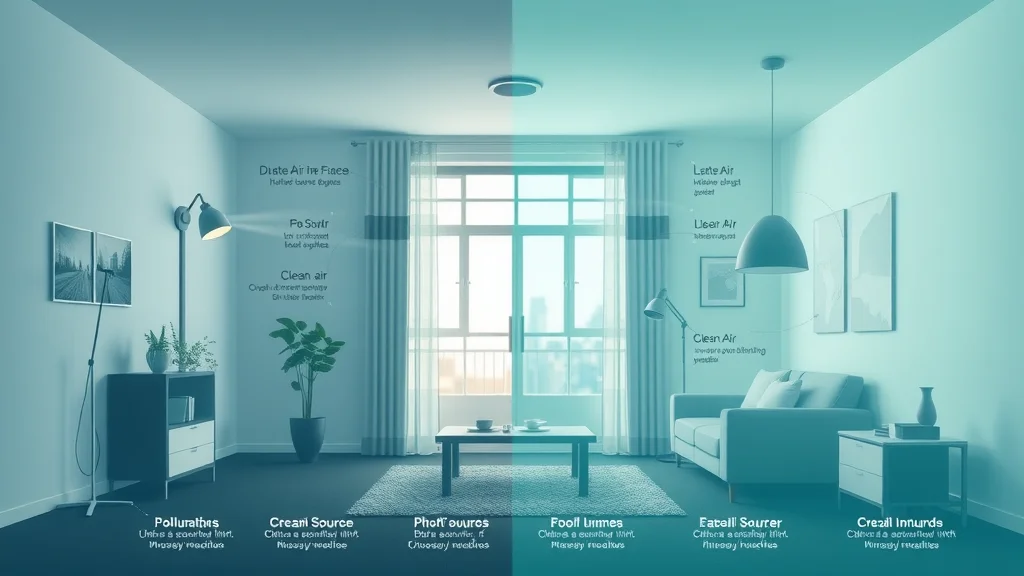
Indoor air quality improvement is the practice of identifying, managing, and eliminating contaminants from the air inside homes and workplaces. It encompasses a variety of activities, from simple adaptations like opening windows and doors for more fresh air, to investing in advanced air cleaners and conducting professional indoor air quality tests. The goal is to minimize the health risks associated with pollutants such as volatile organic compounds, particulate matter, and biological agents.
Indoor air is constantly affected by our daily routines, including cooking, cleaning, and the materials within our living spaces. Improving indoor air means taking conscious steps to reduce exposure to indoor air pollutants, mitigate air pollution sources, and adopt routines that maintain clean and healthy air. For both new and older homes, addressing indoor sources and using effective air cleaner strategies ensures everyone breathes easier.
It’s also important to recognize that many indoor air pollutants can originate from the materials and finishes used in your home. If you’re considering renovations or repainting, choosing professionals who use low-emission products can make a significant difference—explore local painters who prioritize healthier indoor environments to further support your air quality goals.
The Difference Between Indoor Air and Outdoor Air Quality
While outdoor air pollution often grabs headlines, the air inside your home can be just as—if not more—harmful. Outdoor air is affected by traffic emissions, industrial releases, and seasonal allergens. However, much of this pollution can migrate indoors, compounding the indoor sources of contaminants such as household cleaners or cooking fumes. Because our buildings are more insulated to preserve energy, these pollutants become trapped, leading to higher concentrations indoors.
In reality, most people spend the majority of their day surrounded by indoor air, emphasizing the critical nature of monitoring and improving air quality inside. Factors such as humidity, ventilation, and material off-gassing uniquely impact the quality of the air inside homes compared to outdoor environments. Solutions for indoor air quality improvement target not only removing pollutants but also managing airflow and environmental controls within the home.
Why Indoor Air Pollutants Matter
Indoor air pollutants are influential drivers of chronic health problems. Immediate symptoms may include headaches, fatigue, allergy reactions, and eye irritation; however, prolonged exposure can escalate to severe health conditions like asthma, lung disease, and even cardiovascular disorders. With increased time indoors, particularly in urban and suburban areas, recognizing the roots of poor indoor air quality is the first step in preventing these long-term health effects.
The Environmental Protection Agency highlights indoor air pollution as a top environmental risk to public health in the United States. Contaminants like tobacco smoke, mold spores, and even seemingly harmless dust particles pose hidden threats. The need to improve indoor air quality goes beyond comfort, impacting daily productivity and well-being, especially for vulnerable groups. Addressing these risks early with best practices and reliable air cleaning technologies is a smart investment in lasting health.
Indoor Air Pollutants: Types, Sources, and Risks
Common Sources of Indoor Air Pollution
Understanding where indoor air pollutants originate is essential for improving indoor air quality. The main sources of indoor air pollution are varied but often overlooked: building materials and furnishings, which may release volatile organic compounds over time; combustion sources like ovens, gas stoves, or fireplaces; everyday cleaning agents and chemicals; the infiltration of outdoor air pollution through windows and doors; and biological agents like mold, bacteria, and pet dander.
Addressing the main sources of indoor pollution is the foundational step for any air quality enhancement plan. For example, switching to low-emission materials, maintaining proper ventilation, regularly cleaning, and reducing the use of harsh chemicals are all effective ways to reduce risk. Improving air quality requires both source control and ongoing management—combining these ensures the best possible indoor air outcomes.
- Building materials and furnishings
- Combustion sources (cooking, heating)
- Cleaning agents and chemicals
- Outdoor air pollution entry
- Mold, pet dander, and biological contaminants
Most Prevalent Indoor Air Pollutants
Several key pollutants dominate the indoor air quality landscape, each posing unique threats. These include particulate matter (PM2.5), carbon monoxide, nitrogen dioxide, formaldehyde, and volatile organic compounds (VOCs). In addition, biological contaminants such as bacteria, viruses, and fungi are significant contributors to indoor air woes. Each of these pollutants can cause a range of health problems, from mild irritation to serious disease, when inhaled over time.
Regular exposure to these pollutants is particularly hazardous for at-risk populations and can aggravate existing health conditions such as asthma or allergies. Identifying the most prevalent contaminants allows homeowners to target their indoor air quality improvement efforts with specialized solutions like filtration, ventilation, and source elimination. The table below provides a comparison of common pollutants, their typical sources, and associated health effects.
| Pollutant | Common Sources | Potential Health Effects |
|---|---|---|
| Particulate Matter (PM2.5, PM10) | Cooking, heating, tobacco smoke, outdoor air | Respiratory issues, heart disease, aggravated asthma |
| Carbon Monoxide (CO) | Gas stoves, heaters, fireplaces, garages | Headaches, dizziness, potentially fatal poisoning |
| Formaldehyde | Furniture, pressed-wood products, cleaning agents | Eye, nose, throat irritation; cancer risk |
| Volatile Organic Compounds (VOCs) | Paints, solvents, cleaning supplies, new carpets | Dizziness, headaches, liver and kidney damage |
| Mold and Biological Agents | Leaks, dampness, HVAC systems, pets | Allergic reactions, asthma, infections |

Outdoor Air vs. Indoor Air Pollution: An Expert Perspective
While outdoor air pollution is often regulated and monitored closely, indoor environments can escape notice. As a result, indoor air pollution accumulates from both outside invaders and sources found inside—such as scented candles, chemical cleaners, or improperly ventilated combustion appliances. In cities, traffic and industrial emissions easily seep indoors. In rural settings, wood-burning stoves and pesticides are frequent culprits.
Experts stress that air quality inside can fluctuate far more quickly than outside, depending on activities such as cooking or housecleaning. Addressing both indoor and outdoor sources with strategic air cleaner deployment and improved ventilation safeguards your family’s health. Remember, the home remains your sanctuary—targeted indoor air quality improvement is your strongest defense against the unseen threats of modern living.
Health Effects of Poor Indoor Air Quality
Short-Term and Long-Term Health Effects
Exposure to poor indoor air quality poses both immediate discomfort and long-term medical risks. Short-term symptoms often include coughing, sneezing, eye and throat irritation, headaches, and increased fatigue. With prolonged exposure, more serious outcomes emerge: chronic asthma, worsening of existing respiratory conditions, cardiovascular disease, and reduced cognitive function—especially in children and older adults.
The health effects of indoor air pollution extend beyond the obvious. Airborne allergens and chemical irritants act as constant triggers for those with sensitivities. Asthma attacks, increases in hospital admissions during periods of high indoor pollution, and even links to neurodegenerative disorders are being discovered. Taking action through indoor air quality improvement isn’t only about feeling better today—it’s a protective strategy for your long-term health.
- Respiratory problems
- Allergic reactions
- Asthma and chronic lung conditions
- Cardiovascular issues
- Fatigue, headaches, and difficulty concentrating

At-Risk Groups: Children, Elderly, and Immunocompromised
Vulnerable populations are at greatest risk of harm from indoor air pollutants. Children, for instance, breathe more rapidly and absorb more contaminants per pound of body weight than adults. The elderly may already have compromised lung function, and those with chronic illnesses or weakened immune systems find it harder to recover from pollutant-associated illnesses. For these groups, even minimally elevated pollution levels can lead to serious health effects.
Providing an environment tailored to their needs means doubling down on air cleaner investment, frequent ventilation, and regular monitoring of air quality. Special attention should be paid to schools and healthcare facilities, where these populations gather. For families, adopting an indoor air quality improvement plan protects those who matter most.
“Children breathe more rapidly and are exposed to more indoor air pollutants per pound of body weight than adults.”
Indoor Air Quality Testing: An Essential Step
Why Test Indoor Air Quality?
You can’t improve what you can’t measure. Indoor air quality testing is the vital first step in discovering hidden risks in your home environment. By using specialized sensors and professional assessment tools, you’ll identify exactly which pollutants—and at what levels—exist in your living space. This knowledge guides targeted air quality improvement strategies, transforming vague concern into actionable solutions.
Regular air testing allows you to benchmark improvements and spot recurring issues caused by seasonal changes, home renovations, or new furnishings. For homeowners, renters, and business owners alike, periodic air quality audits should become a sustainable habit, especially for households with children, elderly individuals, or people with chronic medical conditions.
How Professional Indoor Air Quality Assessment Works
A professional indoor air quality assessment covers in-depth measurement of common contaminants like particulates, carbon monoxide, VOCs, humidity, and biologicals. Technicians use advanced digital instruments to sample air from various rooms, often comparing results with safe standards set by the Environmental Protection Agency. The assessment typically concludes with a comprehensive report outlining trouble spots and recommended upgrades, such as filtration or ventilation improvements.
For serious concerns, continuous monitoring systems may be suggested, allowing for long-term oversight. Not only does a professional assessment provide peace of mind, but it can also reveal maintenance issues with appliances, ventilation blockages, or hidden leaks—all factors which can increase air pollution risks in your home.

Interpreting Indoor Air Quality Results with Expert Guidance
Once the data is collected, interpretation is crucial for meaningful improvement. Experts help you make sense of the readings: identifying which levels exceed health-based standards, prioritizing rooms for action, and developing a timeline for upgrades or remediation. This expert guidance ensures that your investment in indoor air quality improvement is evidence-based and specific to your unique indoor environment.
- Identifying high levels of air pollutants
- Setting improvement benchmarks
Indoor Air Quality Improvement Strategies: Proven Techniques
General Practices to Improve Indoor Air
Strong indoor air quality improvement always starts with foundational practices. Increase home ventilation by opening windows and doors regularly—especially when cooking, cleaning, or using household chemicals. Deploy exhaust fans in kitchens and bathrooms to carry fumes and moisture outside. Smoking indoors is a major contributor to poor air; a strict no-smoking policy indoors is critical. Be mindful of indoor humidity, keeping it between 30% and 50% to discourage mold and dust mites.
Routine cleaning with natural, unscented products and frequent dusting/vacuuming helps reduce accumulations of allergens, pet dander, and particulate matter. If you must use chemical cleaners, ventilate thoroughly. By focusing on these daily habits, you address prime sources of indoor air pollutants and lay the groundwork for more advanced air quality solutions.
- Increasing ventilation with outdoor air
- Using exhaust fans in kitchens and bathrooms
- Avoiding indoor smoking
- Keeping humidity between 30%-50%
Air Cleaners and Air Purifiers: What Works Best
To supplement source control and ventilation, air cleaners (or air purifiers) are invaluable for removing lingering particulates, allergens, and chemical fumes from your living space. Not all air cleaners are created equal—HEPA, activated carbon, and UV-based purifiers each excel at targeting different types of contaminants. For example, HEPA filters are best for dust and pollen, while carbon filters remove chemical gases, and UV-based cleaners attack biological pathogens.
When choosing an air cleaner, consider the size of the space, the specific pollutants of concern, and maintenance requirements. For best results, position air cleaners in highly trafficked areas like bedrooms or living rooms. Combining air cleaners with healthy cleaning routines and adequate ventilation forms a comprehensive indoor air quality improvement plan.
| Type | Best For | Pros | Cons |
|---|---|---|---|
| HEPA Filter | Dust, pollen, mold spores, pet dander | Removes 99.97% of particles ≥0.3 microns, widely available | Doesn’t remove gases or odors, regular filter replacement |
| Activated Carbon | VOCs, fumes, odors, smoke | Absorbs gases and chemical pollutants | Needs regular media change, less effective for particles |
| UV Air Cleaner | Bacteria, viruses, mold | Destroys bio-contaminants, complement to HEPA | Limited effect on particles/gases, requires lamp replacement |

Natural Solutions: Plants and DIY Remedies for Indoor Air
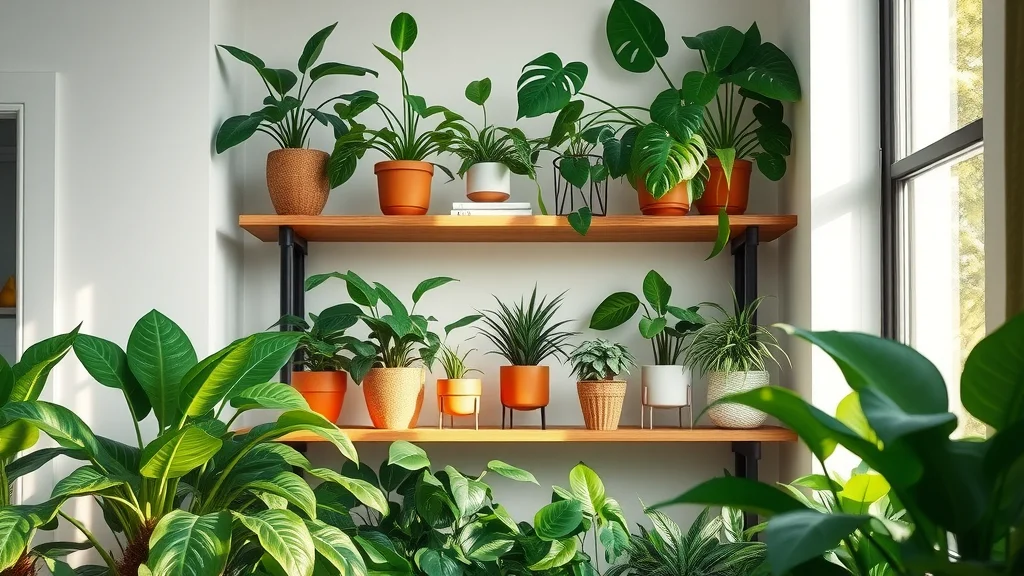
Nature’s own remedies—houseplants—can significantly help improve indoor air quality. Species like spider plants, peace lilies, and snake plants absorb toxins and boost fresh air inside your home. However, while plants act as natural air filters, they work best when paired with other strategies; their effect, though positive, is modest compared to mechanical filtration.
DIY remedies, such as using baking soda to absorb odors or natural essential oil diffusers (with care for those sensitive to scents), are also practical tools. Regular cleaning of vents, air ducts, and even window sills where moisture can collect further limits the growth of mold and bacteria. Combining these natural methods with technology leads to a well-rounded indoor air quality improvement strategy.
Regular Maintenance and Cleaning for Lasting Improvement
Consistent upkeep is crucial for ongoing indoor air quality improvement. Regularly replace HVAC and air cleaner filters, clean vents, inspect for moisture leaks, and keep appliances and surfaces dust-free. Make sure kitchen, bathroom, and laundry exhaust fans are operational and used during activities that add moisture or pollutants to the air.
By scheduling routine home maintenance and immediate remediation of leaks or visible mold, you cap the chances of pollutants accumulating. Solid cleaning habits make advanced air cleaning investments even more effective—remember, the basics always come first.
“Proper ventilation and source control are the foundation of any indoor air quality improvement plan.” — Environmental Protection Agency
Advanced Approaches to Indoor Air Quality Improvement
Smart Home Technologies for Monitoring Air Quality
Technology offers smart home solutions for continuous air monitoring and pollution alerts. Devices track temperature, humidity, particulate matter, VOCs, and even carbon dioxide, delivering real-time updates via phone or central house dashboard. These tools empower residents to spot trends, quickly address spikes in pollution, and automate systems like ventilation fans or purifiers.
By integrating smart monitors, homeowners can benchmark the effectiveness of different air cleaner strategies and set up automatic reminders for maintenance or filter replacement. This holistic approach combines expert insight with everyday convenience for lasting indoor air quality improvement.

The Role of HVAC Systems in Indoor Air Quality
Your home’s heating, ventilation, and air conditioning (HVAC) system is pivotal in maintaining a healthy indoor environment. When properly installed and regularly maintained, HVAC systems distribute fresh air and filter out particulates through advanced filtration media. Components such as humidity control, air exchangers, and duct cleaning all play vital roles in improving indoor air quality.
Faulty or neglected HVAC systems can harbor dust, mold, or bacteria and may even recirculate contaminants. Prioritize changing filters every 60–90 days and conducting annual professional inspections to prevent breakdowns and ensure optimal air cleaning performance.
Emerging Trends: UV, Photocatalytic, and Ionic Cleaners
Innovations in air cleaning now include UV germicidal irradiation, photocatalytic oxidation, and ionic air purifiers. UV cleaners employ short-wave ultraviolet light to destroy airborne pathogens, while photocatalytic systems use a titanium dioxide catalyst and UV light to break down organic pollutants. Ionic cleaners charge particles, causing them to clump together and fall out of the air.
These advanced solutions can be excellent additions for those with severe allergies, frequent illness, or in high-pollution areas. However, expert installation and regular maintenance are crucial, as some technologies (like ionizers) may produce ozone—a secondary pollutant—to be managed with caution.
People Also Ask About Indoor Air Quality Improvement
What is the best way to improve indoor air quality?
The most effective approach to indoor air quality improvement combines source control, increased ventilation, and the use of certified HEPA air purifiers. Start by removing major contributors—like tobacco smoke, harsh chemical cleaners, and pollutants from combustion sources—while also enhancing airflow through regular window opening and exhaust fan usage. Add a HEPA air cleaner for areas with high foot traffic or where sensitive individuals spend the most time. This multi-pronged tactic ensures lasting, evidence-based results for cleaner air indoors.
What are signs of poor indoor air?
Common indicators of poor indoor air quality include musty or chemical odors, frequent allergy or cold-like symptoms (congestion, headaches, fatigue), worsening asthma, visible mold growth or excessive dust, and persistent high humidity or dryness. Regular dust accumulation despite cleaning, condensation on windows, and a lingering staleness to the air should prompt immediate evaluation and action to protect your family’s health.
Is indoor air quality testing worth it?
Absolutely. Professional indoor air quality testing provides a science-backed snapshot of your home’s unique pollutant profile, revealing risks that may otherwise go unnoticed. The investment pays off in early detection of health risks, informed decision-making regarding renovations and appliance use, and the long-term peace of mind that comes from knowing your environment supports well-being. For families with sensitive individuals, testing is an essential, proactive health move.
How do I detox the air in my house?
To “detox” your home’s air, begin by removing or minimizing pollutant sources: use less-toxic cleaning products, ban smoking indoors, and fix leaks or moisture problems immediately. Ventilate regularly using exhaust fans and open windows when possible. Add HEPA air cleaners and houseplants for an extra layer of protection. Finally, commit to routine maintenance and professional assessments to keep improvement on track for the long term.
Top FAQs on Indoor Air Quality Improvement
- How often should you check air quality in your home?
- Do houseplants really improve indoor air quality?
- Are all air purifiers effective against airborne viruses?
Expert answers to commonly asked indoor air quality improvement questions, incorporating current research and guidance from the Environmental Protection Agency.
How often should you check air quality in your home? Experts recommend air quality testing at least once a year, and more frequently following renovations, new furnishings, or if you note signs of poor indoor air.
Do houseplants really improve indoor air quality? While houseplants absorb some toxins and can boost humidity, their stand-alone effect is modest. Use them to complement, not replace, proven mechanical air cleaning and ventilation strategies.
Are all air purifiers effective against airborne viruses? Only purifiers with HEPA filters or certified UV-C disinfection technology can reliably trap or destroy airborne viruses. Always check manufacturer claims and third-party verifications for product performance.
Key Takeaways for Indoor Air Quality Improvement
- Indoor air quality improvement is crucial for health and well-being.
- Identifying sources of indoor air pollution enables effective control.
- Testing and monitoring are vital first steps.
- Air cleaners, ventilation, and maintenance provide reliable solutions.
- Evidence-led strategies offer the best results for ongoing improvement.
Begin Your Indoor Air Quality Improvement Journey Today
Ready to breathe easier? Download our comprehensive indoor air quality improvement checklist to start transforming your indoor environment now.
Improving your indoor air quality is a journey that goes beyond quick fixes—it’s about making informed choices for your family’s comfort and well-being. As you continue to enhance your living environment, consider how every aspect of your home, from the materials you select to the professionals you hire, can contribute to a healthier space. For those interested in taking a more holistic approach to home improvement, exploring a full range of local home services can help you create a truly safe and inviting sanctuary. Discover more ways to elevate your home’s health and value by browsing the Eustis Home Services directory—your next step toward a better indoor environment starts here.