
Startling Statistic: Did you know that over 60% of homeowners cite smart home system compatibility as the top factor in creating their ideal automated home? That one detail is often the difference between enjoying a truly seamless smart home experience and facing daily frustration with disconnected devices. In the rapidly evolving world of smart homes, making sure your smart locks, lights, thermostats, and security systems all work effortlessly together is crucial. This comprehensive guide unpacks how to achieve flawless smart home system compatibility—helping you build a connected home that feels intuitive, efficient, and ready for the future.
Revealing the Importance of Smart Home System Compatibility
The heart of every well-functioning smart home is compatibility—a foundational element that determines how easily and reliably your various smart home devices operate as one unified system. When smart home system compatibility is overlooked, even the best tech investments can turn into a source of endless troubleshooting. As households integrate an ever-growing collection of smart lights, home hubs, security systems, and voice assistants, ensuring seamless communication and control becomes essential. Addressing compatibility not only enhances convenience but also strengthens security, streamlines automation, and protects your investment in evolving technology.
Whether you’re building a smart home from scratch or gradually expanding your connected devices, prioritizing compatibility helps create a cohesive living environment. For example, compatible devices like a smart lock, thermostat, and cameras can all be managed from a single app or voice assistant, instead of juggling multiple controls. This interconnectedness delivers peace of mind, savings on energy bills, and an elevated smart home experience. Understanding and optimizing smart home system compatibility sets the stage for a smarter, safer, and more enjoyable home.
A Startup Statistic: How Smart Home System Compatibility Drives Adoption
Did you know that over 60% of homeowners cite smart home system compatibility as the top factor in building their ideal automated home? This one detail can be the difference between seamless living and daily frustration. As the smart home industry continues to expand, brands and developers prioritize device compatibility to meet consumer demand. Roughly two out of three people are unlikely to upgrade—let alone start—their home automation journey unless they’re confident that new devices will work with existing systems. For startups or those new to home automation, focusing on system compatibility dramatically increases user satisfaction and technology adoption rates.

What You’ll Learn in This Smart Home System Compatibility Guide
- What smart home system compatibility means in practice
- How to identify device compatibility for your preferred ecosystem
- Expert tips on comparing major smart home devices and standards
- Key differences between leading smart home hubs and protocols
- Step-by-step advice for evaluating and upgrading your smart home devices
Understanding Smart Home System Compatibility: Foundations and Key Concepts
The Meaning of Smart Home Compatibility
Smart home system compatibility is the ability of different smart home devices, hubs, and platforms to work together seamlessly. At its core, it means your new smart lock, voice assistant, security system, and even lighting can all be managed through one cohesive setup. This contrasts with homes that use isolated systems—where smart home devices may require separate apps, cannot communicate, or lose advanced features. When true compatibility is achieved, automation routines (like turning lights on when you unlock the door, or adjusting the thermostat automatically) become easy to implement and highly reliable. The result is improved convenience, safety, and better control for every homeowner.

Device Compatibility: How It Impacts Smart Home Integration
Device compatibility sits at the center of smart home integration. Every smart home system relies on devices like lights, thermostats, plugs, and security cameras being able to “talk” to each other within the same platform or using universal protocols. Poor device compatibility leaves you with disconnected experiences—imagine a smart lock that can’t trigger your welcome lights, or a security system that isn’t recognized by your home hub. To avoid these pitfalls, you must verify that devices are compatible with your chosen ecosystem or home hub—such as Google Home, Apple HomeKit, or Samsung SmartThings. The more compatible your smart home devices, the more options you’ll have for advanced routines, centralized control, and future expansion.
As you evaluate your smart home setup, it’s also helpful to consider how professional services can support your integration goals. For instance, if you’re planning a renovation or need expert assistance with device installation, exploring local home service providers can streamline the process and ensure your smart home upgrades blend seamlessly with your living space.
“For a truly intelligent environment, smart home system compatibility should be the foundation, not an afterthought.” – Dr. Alexis Carter, Home Automation Expert
The Core of Smart Home System Compatibility: Protocols, Standards, and Ecosystems
Popular Smart Home System Protocols: Zigbee, Z-Wave, Wi-Fi, Thread, and Bluetooth
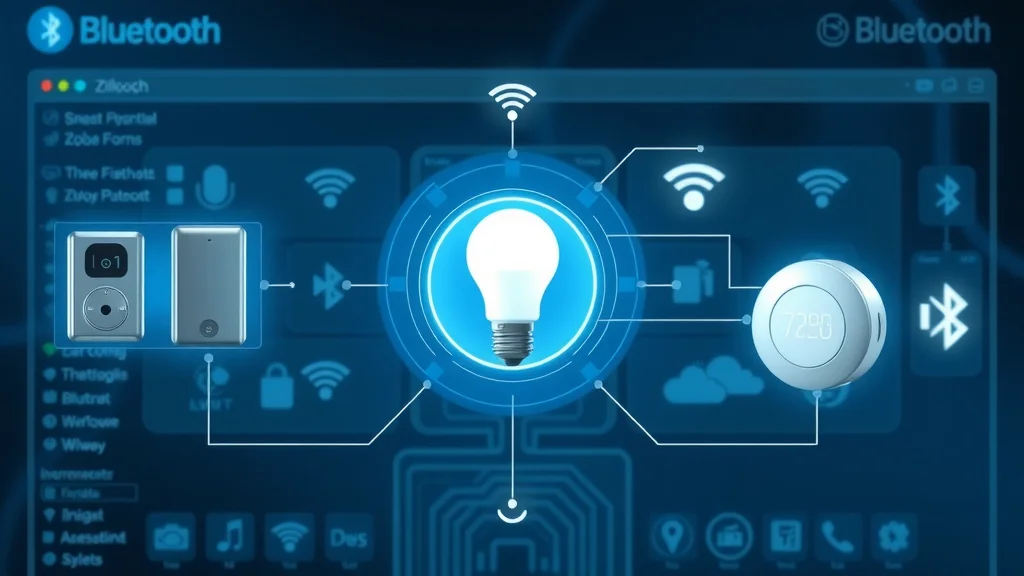
Protocols and standards are the backbone of smart home system compatibility. Common protocols like Zigbee, Z-Wave, Wi-Fi, Thread, and Bluetooth define how devices exchange information—and determine which products will “just work” together. For example, Zigbee and Z-Wave excel at connecting low-power home devices such as sensors and smart locks, using energy-efficient mesh networks. Wi-Fi supports high-bandwidth products like cameras and voice assistants, but can create congestion on your home network. Thread, a newer protocol, is lauded for its speed, range, and support for interoperable, secure smart home automation. When shopping for devices, always verify the protocol your home hub or ecosystem supports to ensure maximum compatibility—it’s the single most impactful step in building a unified home system.
| Protocol | Range | Speed | Use Cases | Compatibility |
|---|---|---|---|---|
| Zigbee | 75-100m (mesh) | 250 kbps | Sensors, lights, locks | Excellent with major hubs (Amazon Alexa, Google Home, SmartThings) |
| Z-Wave | 30-100m (mesh) | 100 kbps | Locks, thermostats, sensors | Strong with home hubs (SmartThings, Hubitat) |
| Wi-Fi | 100m (direct) | Up to 600 Mbps | Voice assistants, cameras, plugs | Universal, but can strain networks |
| Thread | 100m (mesh) | 250 kbps | New sensors, bulbs, locks | Emerging—critical for Matter |
| Bluetooth | 10-30m | 1 Mbps | Plugs, speakers, door locks | Good for pairing, limited for full integration |
Matter and the Future of Smart Home Compatibility
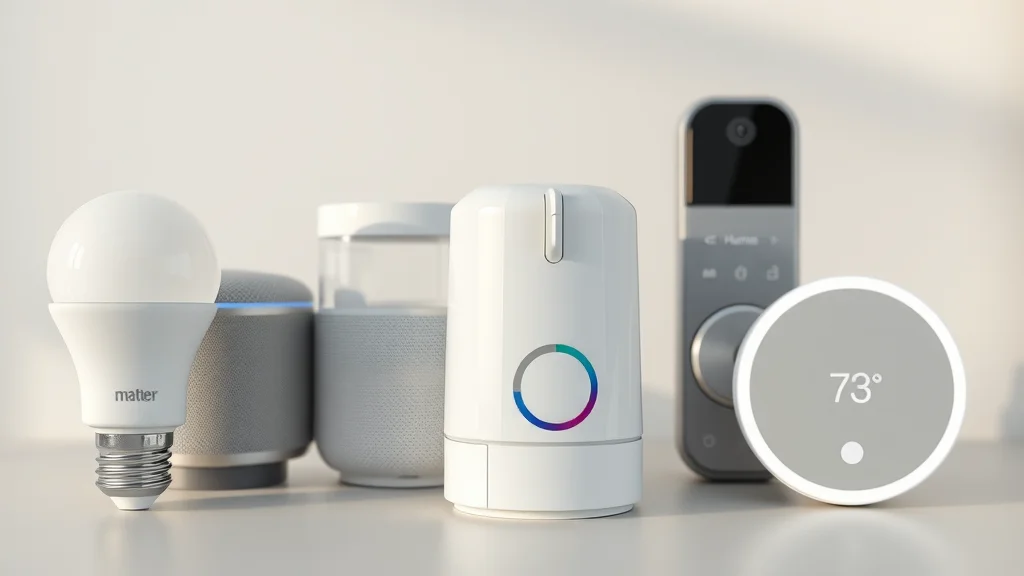
Matter is revolutionizing smart home system compatibility by introducing a universal standard. Imagine adding new smart home devices—smart lights, smart locks, sensors, thermostats—that instantly work with Apple HomeKit, Google Home, Amazon Alexa, and Samsung SmartThings. With Matter, device compatibility woes become a thing of the past. This initiative, backed by industry giants, simplifies the product selection process for consumers and encourages manufacturers to build products that “just work” across platforms. As more brands update their devices for Matter support, it’s becoming easier to expand or upgrade your smart home system without worrying about integration headaches. For future-proofing, prioritize Matter-ready or upgradeable products when shopping for new home devices.
Evaluating Your Home System: Assessing Smart Home Device Compatibility
Existing Smart Home Devices and Compatibility Checks
Performing a compatibility audit is a crucial first step to enhancing your smart home system. Start with a comprehensive inventory of your smart home devices: lights, thermostats, locks, voice assistants, home hubs, and more. Review each device’s protocol (Zigbee, Z-Wave, Wi-Fi, Thread, Bluetooth) and check manufacturer documentation or compatibility charts to see if devices are compatible with your current or target ecosystem. Brands like Philips Hue, Google Nest, and Amazon Alexa often offer online compatibility checkers. Examine your home hub’s supported devices list to identify any gaps in your smart home system compatibility. Regular audits prevent frustration and allow for smoother upgrades as your system grows.
Common Compatibility Issues and How to Resolve Them
- Firmware and software version mismatches: Devices may stop working together if one is updated while others aren’t; always synchronize updates and check for new firmware regularly.
- Network protocol conflicts between devices: Some devices only support specific protocols (like Zigbee or Z-Wave), making integration difficult if your home hub can’t bridge them—consider hubs that support multiple protocols.
- Limited support for multi-brand setups: Products from different brands may not be mutually compatible without a unifying platform; research product labels and consult official compatibility lists before purchase.
- Workarounds: third-party bridges, adapters, and smart home hubs: If your goal is a mixed-brand system, invest in a capable smart home hub or adapters (like Philips Hue Bridge) for broader smart home compatibility and seamless performance.
Smart Home Hubs: Bridging Device Compatibility Gaps
Role of the Home Hub in Smart Home System Compatibility
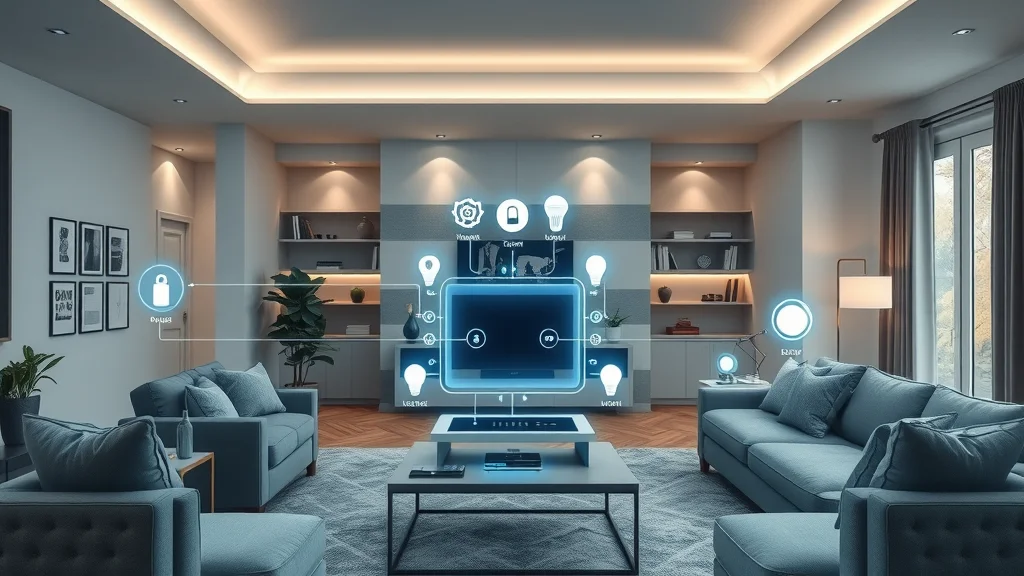
A home hub, such as Apple HomePod, Google Nest Hub, or Samsung SmartThings, is the nerve center of your smart home setup. The smart home hub manages, controls, and coordinates compatible devices—from smart locks to thermostats and security systems—across various brands and communication protocols. By consolidating device management in one location, a home hub resolves protocol incompatibilities, facilitates advanced automation routines, and makes it easier to monitor or adjust settings on the fly. An effective home hub offers both local control (so your system works even if the internet is down) and the flexibility to add new smart home devices as technology advances, ensuring your home remains future-ready and adaptable.
Choosing the Right Home Hub for Maximum Compatibility
- Google Home vs. Apple HomeKit vs. SmartThings: Google Home is widely compatible with Google Assistant-supported devices and integrates well with Matter. Apple HomeKit focuses on security and privacy, supporting Siri-based automation and a curated selection of devices. Samsung SmartThings is highly versatile, supporting Zigbee, Z-Wave, Wi-Fi, and Matter devices.
- Supported smart home device lists: Always review the latest compatibility lists on official websites before buying a new device, especially if planning a mixed-brand environment.
- Best options for mixed-ecosystem homes: For users wanting to blend products from multiple brands (like Philips Hue bulbs, Sonos speakers, Yale smart locks), SmartThings or a Matter-compatible platform is often the best bridge for true smart home compatibility.
Popular Smart Home Devices: Assessing Compatibility and Integration
Smart Locks, Security Systems, and Voice Assistants: Compatibility Spotlight
- Smart lock integration with existing security systems: Look for smart locks that work directly with your security system or can be connected via your home hub for unified control. Many smart locks now integrate smoothly with platforms like Apple HomeKit and Google Home, providing status alerts, remote unlocking, and even automation routines (e.g., locking doors when the security system arms).
- Voice assistant support: Amazon Alexa, Google Assistant, Apple Siri: Whether saying “lock the front door” to Alexa or adjusting the thermostat through Google Assistant, ensure your devices are certified for these leading platforms for the best smart home compatibility and voice control experience.
- Security system compatibility with multi-brand devices: The best home security systems now offer open APIs or integration with Matter, allowing you to add sensors, cameras, and alarms from different brands into a single, secure setup, maximizing coverage and functionality.

Smart Lights, Thermostats, and Other Home Devices
- Protocol-based device compatibility: Products like smart lights and thermostats may use Zigbee, Z-Wave, Wi-Fi, or Thread. Ensure your home hub or platform supports these protocols for reliable operation and unified routines.
- Manufacturer-specific smart home system relationships: While some brands focus on proprietary systems, many now offer extensive compatibility with popular platforms and protocols, making it easier to create a seamless home environment.
- Matter and Thread-ready devices: Prioritize smart home devices marked as “Matter” or “Thread-Ready” for forward compatibility and the option to move between Apple HomeKit, Amazon Alexa, Google Home, and other leading systems as your needs evolve.

Video Overview: Explaining Smart Home System Compatibility (Video 1)
A visual walkthrough of the basics of smart home system compatibility, covering major protocols, common issues, and top solutions for homeowners. This overview is perfect for newcomers and seasoned enthusiasts alike who want to optimize their home automation experience.
People Also Ask About Smart Home System Compatibility
What does smart home compatibility mean?
Smart home compatibility refers to the ability of a device or system to work with other products, platforms, and hubs. This ensures users can control and automate all compatible devices from a central point or app. For example, a smart plug that’s compatible with both Amazon Alexa and Google Home can be managed through voice assistants or integrated in routines across your whole home system.
What devices are Matter-compatible?
Matter-compatible devices include smart lighting, smart locks, sensors, and thermostats designed to work with Amazon Alexa, Google Home, Apple HomeKit, and Samsung SmartThings. Leading brands are increasingly providing updates to add Matter support to their product lineup, making it easier for homeowners to mix and match the best products for their needs without worrying about device compatibility.
Is the Ikea smart home compatible with Matter?
Yes, many Ikea smart home devices are now Matter-compatible or are expected to be through software updates, making them ideal choices for broad home compatibility. Ikea continues to update its product line—particularly its smart lights and hubs—to support Matter across various home systems, opening up new possibilities for system integration and automation.
How to choose the right smart home device?
When choosing a smart home device, check for compatibility with your current ecosystem or hub (look for Matter, Zigbee, or Z-Wave logos), software update commitment, and integration flexibility. Consider future expansion by focusing on devices that support multiple protocols or are “Matter-ready,” and consult compatibility charts or ask your retailer before purchasing to ensure devices will work smoothly within your existing home setup.
Best Practices: Ensuring Long-term Smart Home System Compatibility
- Standardize on an ecosystem or select cross-compatible devices
- Prioritize devices with Matter or similar protocol support
- Audit compatibility charts before purchasing
- Keep software and firmware up to date
Video Guide: Upgrading for Smart Home System Compatibility (Video 2)
Watch how to upgrade your existing devices for better smart home system compatibility, including tips for adding new devices, integrating older products, and future-proofing your setup.
Key Takeaways for Smart Home System Compatibility
- Smart home system compatibility ensures unified control and automation
- Matter is streamlining connectivity and integration
- Home hubs are critical to bridging ecosystem gaps
- Audit and plan before introducing new home devices
Frequently Asked Questions About Smart Home System Compatibility
- Which smart home system offers the highest device compatibility?
Samsung SmartThings and Matter-compatible platforms currently offer the broadest home device and protocol support for seamless integration. - Can I mix smart home devices from different brands?
Yes, especially if your system or home hub supports Matter, Zigbee, Z-Wave, or offers open APIs. Always check compatibility charts to confirm before purchase. - What is the lifespan of a compatible smart home device?
Most devices last 5–10 years, but staying up to date on firmware and software ensures optimum security and ongoing compatibility with evolving platforms. - How secure are cross-platform compatible devices?
Leading platforms prioritize security, but always keep devices updated and follow manufacturer best practices to reduce risks with smart home system compatibility.
Final Thoughts: Building a Future-Proof Smart Home System
Ready to achieve seamless control? Assess your smart home system compatibility needs today and elevate your automation with confidence and expert insight.
If you’re inspired to take your smart home journey even further, consider exploring the broader landscape of home improvement and professional services. Whether you’re looking to refresh your living space or integrate new technology with expert craftsmanship, discovering trusted local painters and home service specialists can help you create a harmonious environment that complements your smart home upgrades. By combining seamless automation with quality home enhancements, you’ll unlock a truly personalized and future-ready living experience. Dive deeper into the possibilities and see how the right partnerships can elevate every aspect of your connected home.