


Did you know nearly 40% of HVAC energy waste is directly linked to neglected air duct maintenance? If you’re waiting for your system to “act up” before considering hvac vent maintenance, you’re letting precious dollars slip away and risking your family’s health. By acting now and applying proven strategies, you will not only cut energy costs but also breathe cleaner air and enjoy dependable comfort year-round. This in-depth guide arms you with expert, actionable tips for maintaining your vents, ducts, and vent covers—whether you DIY or call in the pros.
Why Proactive HVAC Vent Maintenance Matters For Your Home
- Startling Statistic: Nearly 40% of HVAC energy waste is directly linked to neglected air duct maintenance. Learn how immediate action can cut your energy bills.
Proactive hvac vent maintenance delivers immediate and long-term payoffs for every homeowner. When vents and air ducts are left unchecked, dust, debris, and even pet dander can accumulate, making your hvac system work harder. This directly inflates energy bills and can trigger indoor air issues like allergies or asthma. According to industry studies, caring for your HVAC vents, including regular air duct cleaning and prompt vent cover replacement, can slash system energy consumption by up to 20% and prolong system lifespan. Not only does this reduce your carbon footprint, but it saves hundreds of dollars annually on heating and cooling expenses.
Whether you have an older home or newly installed air conditioning, your ductwork forms the lungs of your property. Dust particles and airborne contaminants will recirculate unless handled through scheduled hvac vent maintenance. In addition to energy savings, you’ll notice improved air flow, a reduction in mysterious odors, and fewer respiratory complaints. Prioritizing routine maintenance is more than just upkeep—it’s an investment in your home’s efficiency, your family’s health, and your wallet.
What You’ll Learn About HVAC Vent Maintenance and Air Duct Cleaning
- Key takeaways on reducing costs with regular hvac vent maintenance
- The role of air ducts in air quality
- Top DIY and professional duct cleaning strategies
- When to replace vent covers for better energy efficiency
This guide will turn you into a proactive homeowner equipped with the most effective vent maintenance and duct cleaning practices. We’ll uncover how regular attention to vent covers and air ducts streamlines your hvac system’s energy performance and supports healthy indoor air quality. Whether you prefer hands-on DIY solutions or want to know when to call in a professional air duct cleaning service, every section below is grounded in research and practical advice. Master these techniques and turn your HVAC maintenance from an afterthought into your secret to lower bills and cleaner air!
For homeowners looking to further enhance their property’s value and comfort, maintaining your HVAC system is just one piece of the puzzle. If you’re considering additional upgrades or improvements, you might also want to explore reputable local painting services to refresh your home’s interior or exterior, complementing your clean air efforts with a revitalized living space.

Understanding Your HVAC System: Air Vents, Air Ducts, and Vent Covers
- Components of an hvac system explained
- Importance of clean air vents and vent covers
- Differentiating between ducts and vents
Before diving deeper into hvac vent maintenance, it’s essential to grasp the major parts of your home’s HVAC system. Your air handling unit or furnace pushes air through a network of air ducts, which act as passageways behind walls and ceilings. Air vents are the visible grates or registers in each room where conditioned air enters or exits the living space. Vent covers serve as filters and directional valves, influencing how efficiently your system distributes air throughout your home.
Understanding the distinct roles of each component is key. While air ducts connect the entire network, the accessibility and cleanliness of vent covers and air vents directly impact air quality and the efficiency of your heating and cooling. Dirty vents and clogged vent covers trap dust and mold spores, circulating contaminants throughout your living space every time the system runs. By routinely inspecting and maintaining both, you prevent energy loss, ensure cleaner air, and extend the functional life of your HVAC equipment.
How HVAC Vent Maintenance Influences Indoor Air Quality and Energy Bills
- Indoor air quality improvements
- How dust and pollutants circulate through air ducts and air vents
- Financial impact of neglected hvac vent maintenance
,Hvac vent maintenance is not just about mechanical upkeep—it’s about protecting your family’s health and your finances. Over time, dirt, dust, pet dander, and even mold accumulate in the air ducts and on vent covers. Whenever your HVAC system starts, these contaminants are recirculated, downgrading your indoor air and triggering allergies or respiratory issues. According to studies, homes that perform regular vent and air duct cleaning enjoy significantly lower levels of indoor air pollution than those that don’t.
Neglecting hvac vent maintenance can wreak havoc on your energy budget. Blocked air vents and dust-caked vent covers force the system to overcompensate, using more energy to achieve the same level of comfort. This inefficiency snowballs into higher monthly bills and unnecessary wear and tear on expensive components. In contrast, proactive care and routine duct cleaning drive greater airflow, save money, and create a much healthier environment for everyone in your home.
When and Why to Clean Your Air Ducts and HVAC Vents
How often do HVAC vents need to be cleaned?
- Frequency guidelines for effective hvac vent maintenance
- Influencing factors like pets, allergies, and local environment
Most experts recommend hvac vent maintenance—especially thorough air duct cleaning—every two to three years as a baseline. However, this interval can shrink if you have indoor pets, allergy sufferers, recent home renovations, or live in regions with high pollen counts. For families with asthma or compromised immune systems, more frequent cleanings (sometimes annually) can be a smart preventative measure.
Factors influencing cleaning frequency include outdoor air quality, how often you run the hvac system, your lifestyle, and even the age and layout of the home. Smoker households or homes with recent water damage may also need more frequent attention. By monitoring these environmental and usage cues, you can tailor a cleaning schedule that maintains both system efficiency and clean air year-round.
Do you actually need to get your ducts cleaned?
- Debunking common myths
- Research findings on health and energy savings from duct cleaning
One of the most persistent myths is that air duct cleaning is unnecessary for well-maintained systems. However, research consistently shows that even homes with clean habits suffer from unseen dust buildup and occasional mold or pest intrusions in their air ducts. Duct cleaning is especially critical when there are signs of visible mold growth, vermin infestations, unexplained odors, or after major remodeling projects.
The health benefits can be substantial—reduced respiratory issues, fewer allergy flare-ups, and a noticeable improvement in overall indoor comfort. Not only does hvac vent maintenance help preserve air quality, but it also delivers measurable returns: homes that schedule professional duct cleaning services every few years often see a tangible decrease in energy costs as their systems no longer labor through blockages or excess dust.
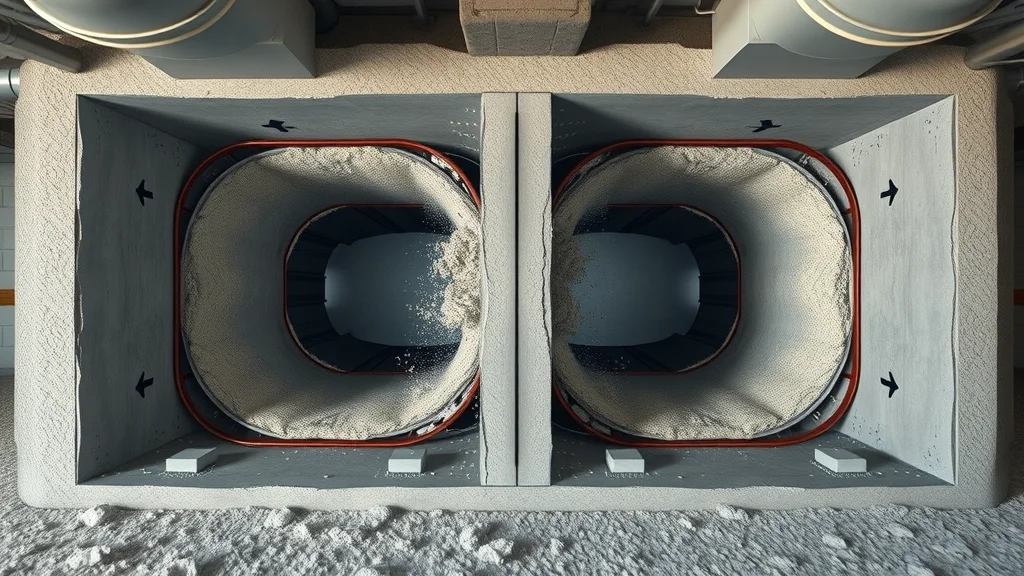
DIY HVAC Vent Maintenance: Step-by-Step Air Duct Cleaning Guide
How to clean your HVAC vents yourself?
- Safety precautions
- Tools and materials for air duct cleaning
- Cleaning vent covers and air vents properly
- Recommended cleaning service intervals
If you’re comfortable with hands-on tasks, DIY hvac vent maintenance is both rewarding and cost-effective. Start by turning off your HVAC system for safety. Gather essential tools such as a screwdriver, vacuum with a hose attachment, brush, microfiber cloth, and a non-abrasive cleaner. Remove vent covers and soak them in soapy water; use a soft-bristle brush to dislodge dust. Next, vacuum out dust and debris from the inner sections of the air vents and as far as you can reach into the air ducts. Wipe the surrounding vent areas and replace the covers only after they are fully dry.
Aim to perform basic vent and cover cleaning every few months, with a deeper cleaning once per year or as needed per your unique household and environmental factors. Keep an eye out for excess dust, strange odors, and visible mold as signals to increase cleaning frequency. With each session, you’ll support your hvac system’s efficiency, prolong equipment life, and maintain consistently clean air throughout your home.
- Step-by-step visuals of effective hvac vent maintenance techniques.
This step-by-step video highlights what you need to know about cleaning your air ducts: from safe removal of vent covers to effective vacuuming, using the recommended tools and techniques. Watch close-ups of dust removal and before-and-after shots that showcase the immediate difference proper air duct cleaning makes in your home’s air quality and system efficiency.
When To Hire a Professional Air Duct Cleaning Service
- Signs you need a professional air duct cleaner
- Choosing the right duct cleaning service
- What to expect from professional hvac vent maintenance
DIY methods have limits—there are times when only a professional air duct cleaning service can deliver the deep, thorough results your system requires. It’s time to call in the pros if you detect persistent odors, visible mold, large amounts of dust escaping from vents, or if you’ve had recent pest infestations. Homeowners with complex ductwork, allergies, or large properties can benefit from the specialized equipment and expertise a certified air duct cleaner brings.
When selecting a duct cleaning service, check for industry certifications, reviews, and transparent pricing. Professional services often include high-powered vacuums, agitation devices, and optional vent cover replacements—ensuring no debris is left behind. Quality providers may also offer an air quality assessment or before-and-after video documentation so you can see the results for yourself. Regular professional maintenance, every 3-5 years, maximizes your hvac system’s lifespan and gives you peace of mind about clean air.
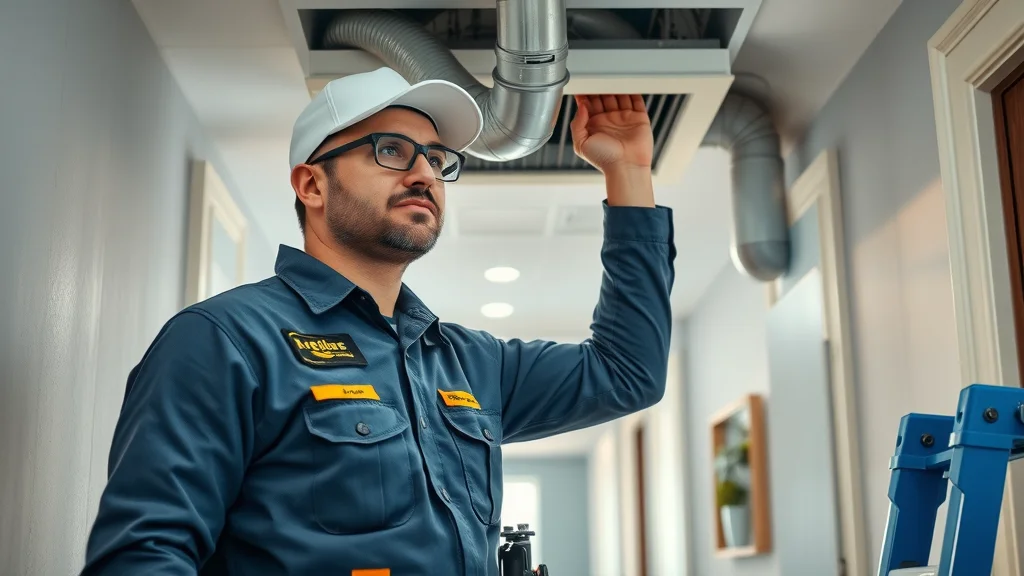
Average Cost of Air Duct Cleaning and Comparing Duct Cleaning Service Providers
What is the average cost to have air ducts cleaned?
| Service Type | National Average Cost | What’s Included |
|---|---|---|
| DIY Cleaning | $30–$100 | Basic tools, vent cover removal, vacuuming |
| Standard Professional | $300–$500 | Complete HVAC vent & air duct cleaning, minor repairs, basic vent cover replacement |
| Advanced Professional | $500–$700+ | Deep cleaning, antimicrobial treatments, upgrades to high-efficiency vent covers |
- Factors affecting costs
- Market comparison
- How vent covers and duct system layout influence pricing
The cost for air duct cleaning services largely depends on your home’s square footage, number of vents, the complexity of your HVAC ductwork, and your geographic area. Upgrading to high-efficiency vent covers or adding mold remediation can increase total costs. DIY cleaning remains affordable for regular upkeep projects but lacks the power and reach of professional equipment—especially in bigger homes with multiple floors or intricate ducts.
Ultimately, choosing between DIY and a professional air duct cleaning service comes down to your comfort level, the evidence of contamination, and your long-term goals for energy efficiency. Shopping around among certified duct cleaners can help you find the best value and ensure your investment pays dividends in performance, health, and ongoing energy savings.
Air Duct Maintenance and Clean Air: Health & Safety Benefits
- Impact of hvac vent maintenance on allergies and asthma
- Preventing mold growth in air ducts and air vents
- Maintaining healthy indoor air quality year-round
Routine hvac vent maintenance reduces the risk of indoor air pollution that worsens allergies and asthma. By controlling dust, pollen, pet dander, and other circulating allergens, vent and air duct cleaning lower the likelihood of respiratory complaints among children and older adults. Mold—often unseen within ducts and on vent covers—poses another hazard. Prompt cleaning and diligent moisture control halt mold growth, ensuring that only clean air flows through your home.
Ongoing maintenance is critical in climates with high humidity or during pollen-heavy seasons. Improved air quality leads to healthier living spaces, sharper concentration, and fewer sick days. In short, consistent attention to your HVAC vents, ducts, and vent covers is a powerful, preventative tool for safeguarding your family’s health and reducing costly medical bills.
The Role of Vent Covers in HVAC Efficiency and Air Quality
- How vent covers trap contaminants
- Selecting high-efficiency vent covers for your hvac system
- Cleaning and replacing vent covers for optimal airflow
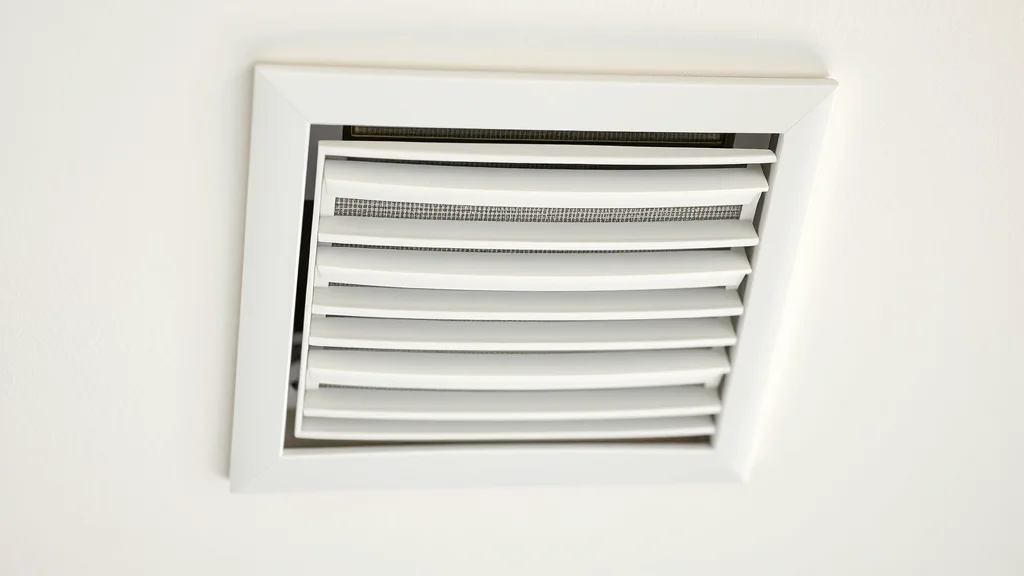
Don’t overlook the importance of vent covers—they’re your first line of defense in capturing dust, pollen, and pet dander before these particles circulate through your HVAC system. Modern vent covers with integrated filters can dramatically improve air quality in spaces where allergies or dust sensitivity are concerns. For optimal efficiency, periodically clean these covers with soap and water, and replace them as soon as they show signs of excessive buildup, corrosion, or damage.
Choosing the right materials—such as antimicrobial finishes or advanced filtration mesh—boosts both airflow and contaminant trapping. Regular replacement of vent covers, especially in high-traffic areas or rooms with pets, prevents blockages and relieves stress on your hvac system. This simple upgrade can pay for itself quickly in improved comfort and energy savings.
Expert-Recommended Schedule for HVAC Vent and Air Duct Cleaning
- Industry guidelines on hvac vent maintenance schedules
- Tailoring your routine to your home’s needs
- Seasonal considerations for air duct cleaning
Experts recommend scheduling hvac vent maintenance checks and cleanings seasonally—before the peak of each heating and cooling cycle. For most homes, this means a professional or intensive DIY cleaning every spring and fall. Customize your routine by considering your household’s unique needs: large families, pets, previous duct contamination, and allergy triggers warrant more frequent care. Don’t forget to coordinate air filter replacements and vent cover inspections alongside these major cleanings for comprehensive air duct maintenance.
Maintaining a consistent, proactive schedule makes it easier to catch potential issues while they’re still minor, avoiding expensive breakdowns and maximizing the effectiveness of your entire home comfort system.
Common Signs Your HVAC Vent Maintenance Is Overdue
- Warning signals from your hvac system, air vents, and duct covers
- Strange odors, dust accumulation, and increased energy bills
Knowing when your hvac vent maintenance is overdue is key to preventing costly repairs and poor air quality. Warning signs include visible dust layers around air vents, musty or burnt odors when the system runs, sudden spikes in your energy bills, reduced air flow from vents, frequent allergy symptoms, and unexplained noises from ductwork. Overlooked vent covers may appear grimy, rusty, or warped.
If you see any combination of these symptoms, schedule a cleaning or inspection immediately. Addressing the problem early not only restores optimal system performance but ensures your home remains a healthy, safe place to live.
HVAC Vent Maintenance Checklist: Keeping Your Air Ducts and Vents in Top Shape
- Check and clean vent covers and air vents monthly (vacuum and wash where necessary)
- Replace disposable filters every 2-3 months, or wash reusable filters according to manufacturer instructions
- Inspect visible ductwork for dust and debris buildup every 3-4 months
- Schedule annual or biennial professional air duct cleaning service, or deep-clean yourself if trained
- Replace vent covers if they show visible wear, corrosion, or persistent dust buildup
- Address any musty odors or mold promptly with targeted cleaning or professional help
- Record all maintenance in a dedicated log or home maintenance app

Choosing Materials: The Best Vent Covers & Air Duct Components for Clean Air
- Comparing materials for vent covers
- Impact on hvac vent maintenance and airflow
- Upgrading air ducts for long-term savings
Premium vent covers made from rust-resistant metals, antimicrobial plastics, or with embedded filtration improve both system durability and air quality. Look for covers that fit snugly, are easy to remove and clean, and have replaceable filters if possible. For air ducts, insulated flexible ducts—properly sealed and free from leaks—deliver the best energy savings and prevent moisture-related issues.
An upgrade may require upfront investment, but choosing high-quality materials reduces dust accumulation and makes regular hvac vent maintenance much easier. Over time, efficient components eliminate costly repairs and slash long-term energy expenses for homeowners.
Energy-Saving Tips: Maximizing HVAC Efficiency With Regular Air Duct and Vent Maintenance
- Reducing air leaks
- The role of insulation in the duct system
- How regular maintenance slashes recurring costs
Regular inspection and maintenance of air ducts and vents minimize air leaks—one of the biggest causes of wasted energy in HVAC systems. Sealing exposed duct joints and upgrading insulation prevents conditioned air from leaking into attics or crawlspaces, ensuring every dollar spent on heating or cooling is felt inside your living space.
Combine these physical upgrades with frequent hvac vent maintenance and filter changes for compound benefits: your system won’t strain, components last longer, and monthly utility bills shrink. Smart thermostats, paired with diligent maintenance, unlock even greater savings and let you track system performance in real time for lasting comfort and efficiency.

Quote: Professional Insight on HVAC Vent Maintenance
“Regular HVAC vent maintenance is your first line of defense against indoor air pollutants and rising utility expenses.” – Certified Air Quality Expert
Homeowner FAQs: HVAC Vent Maintenance and Duct Cleaning Answers
- How do I know my air ducts need cleaning?
Watch for visible dust around air vents, persistent odors, mold spots inside ducts, or a sudden drop in system efficiency. These are clear signals you need air duct cleaning or professional intervention. - What’s the best way to clean vent covers?
Remove covers and wash with mild detergent and water. Scrub with a soft brush and dry thoroughly before reinstalling to prevent mold and maximize your hvac system’s air quality. - Can air duct cleaning improve HVAC life?
Yes—routine air duct cleaning and vent cover replacement ease system strain, prevent breakdowns, and extend equipment lifespan. This cuts both short-term bills and long-term replacement costs.
- Visual impact of duct cleaning service on air quality, hvac system efficiency, and vent cover cleanliness.
See firsthand the difference a professional air duct cleaning service makes—the before-and-after footage reveals brighter, dust-free vent covers, more robust air flow, and measurable improvements in home air quality. After a session, many homeowners report fresher-smelling air, fewer allergy triggers, and noticeably lower energy consumption.
People Also Ask: Essential Questions on HVAC Vent Maintenance
How often do HVAC vents need to be cleaned?
- Expert recommendation is once every 2-3 years, more often for homes with pets, allergies, or after renovations.
Answer: Most professionals advise hvac vent maintenance (deep air duct cleaning) every two to three years. Increase frequency for households with pets, allergy-prone residents, or post-construction dust.
How to clean your HVAC vents yourself?
- Turn off the hvac system, remove vent covers, vacuum dust, use mild detergent for the covers, and inspect air ducts for debris.
Answer: Safety first: switch off the system, unscrew and wash covers, vacuum visible dust from air vents, and wipe grilles. Regular DIY care keeps systems cleaner between pro visits.
Do you actually need to get your ducts cleaned?
- In most homes, periodic hvac vent maintenance keeps things running smoothly, but cleaning is essential if there are signs of mold, pests, or visible dust buildup.
Answer: Not always, but duct cleaning is critical if you observe mold, pest activity, or heavy dust. Otherwise, routine hvac vent maintenance suffices for most homes.
What is the average cost to have air ducts cleaned?
- U.S. average ranges from $300 to $700 depending on system size, number of vents, and geographic location.
Answer: U.S. homeowners typically spend $300–$700 for a full air duct cleaning by a qualified duct cleaner, with add-ons like vent cover replacements or mold treatments potentially raising costs.
Key Takeaways: Simple HVAC Vent Maintenance Tips That Save Money
- Consistent hvac vent maintenance enhances air quality and cuts energy expenses
- Clean vent covers and air ducts for maximum efficiency
- Know when to call a professional
Regular attention to your HVAC vents and ductwork delivers cleaner air, lower energy bills, and keeps your system in top form. Commit to a consistent maintenance routine, use high-quality components, and call in the pros when you spot trouble.
Final Thoughts: Invest in Regular HVAC Vent Maintenance For Cleaner Air and Lower Bills
- Ready to save on energy and breathe healthier air? Schedule a professional air duct cleaning service or start a DIY routine today.
Proper hvac vent maintenance is a smart investment—start your routine or contact a pro and reap the rewards of pristine air and wallet-friendly bills.
While keeping your HVAC system in peak condition is essential for comfort and savings, a truly healthy and beautiful home involves attention to every detail. If you’re inspired to elevate your living environment even further, consider exploring trusted professional painting services in your area. A fresh coat of paint not only enhances your home’s aesthetic but can also contribute to a cleaner, more inviting atmosphere—complementing your efforts in air quality and energy efficiency. Take the next step in your home improvement journey and discover how small upgrades can make a lasting impact on your family’s well-being and your property’s value.