


Did you know that over 20% of homes in the U.S. depend on a septic system, yet the majority neglect routine septic tank pumping and repair? Ignoring these essential services doesn’t just risk unpleasant odors—it can lead to full-blown system failures and unexpected bills stretching into the thousands. This guide unpacks the key facts, vital warning signs, and smart steps every homeowner should take to keep their septic system—and wallet—healthy.
Startling Facts About Septic Tank Pumping and Repair
- Over 20% of homes in the U.S. rely on a septic system, but most skip regular septic tank pumping and repair
- Neglecting septic tank pumping can lead to repairs costing thousands more than regular service
What You’ll Learn About Septic Tank Pumping and Repair
- How septic tank pumping and repair prevents emergencies
- The costs and savings of proper tank pumping and repair
- The top warning signs you need septic tank services
- How to choose a reliable septic tank pumping service
Understanding Your Septic System: Why Septic Tank Pumping and Repair Matters
Every septic system is a silent workhorse beneath your property, quietly processing household waste and water. When a septic system is working properly, it moves wastewater from your home into a septic tank, separates solids and liquids, and allows clean water to filter back into the ground. But there’s a catch: without regular attention, that intricate process can break down, causing backups and severe damage.
Proper septic tank pumping and repair is not just a matter of routine maintenance—it’s a financial safeguard. Regular pumping service ensures the system remains efficient and reduces the risk of emergency call-outs or full septic system replacements, which can drain your savings. By understanding the crucial role of scheduled tank pumping and quick repair, homeowners can sidestep disaster, extend their septic system’s lifespan, and maintain a safer, cleaner environment.
How a Septic Tank Works and the Role of Pumping Service
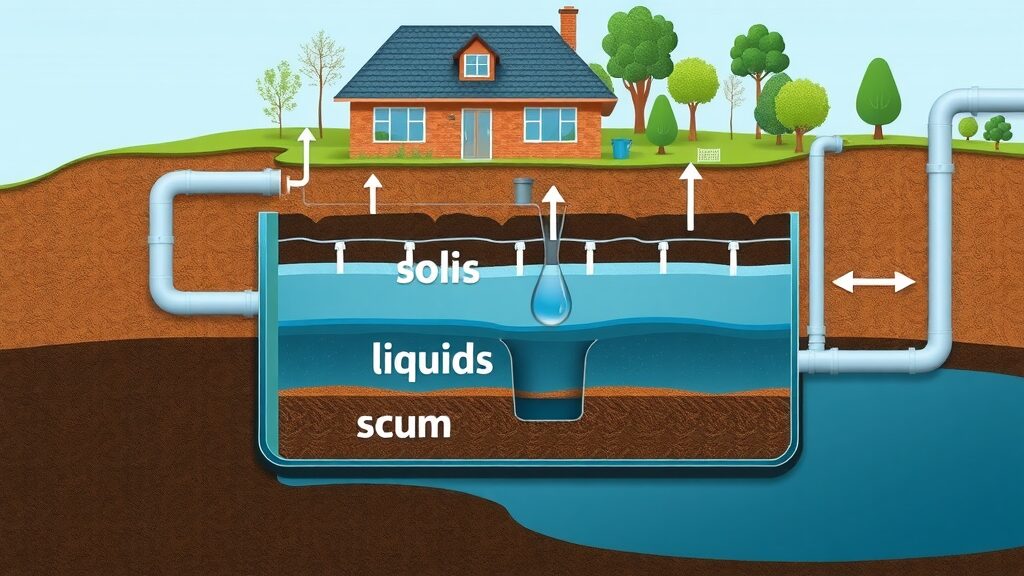
A typical septic tank is a watertight, underground container that collects solid and liquid waste from your household plumbing. Inside, solid waste settles to the bottom, forming sludge, while lighter substances like oil and grease rise to the top, forming scum. The middle layer—treated liquid—is safely dispersed into a drain field where the soil completes the filtration process. However, both the sludge and scum must be periodically removed, and that’s where a professional tank pumping service comes in.
If sludge and scum accumulate faster than they’re pumped out, they’ll enter your drain field, damaging your septic system and potentially causing a system failure. Regularly scheduled tank pumping removes these build-ups, promotes the system’s longevity, and helps avoid expensive repairs. A reliable septic tank pumping service will also inspect for early warning signs of damage, helping you act before small problems become expensive headaches.
Signs You Need Septic Tank Pumping or Septic Tank Pump Repair
Being alert to the common signs of septic problems can help you act before costly system failure hits. Unusually slow drains in sinks, showers, or toilets often mean your tank is full, or there’s a blockage in the pipes. Persistent bad odors in your yard or inside the house are strong indicators of a leak or a tank overdue for pumping. You might also notice pooling water near your drain field or septic tank, which signals that wastewater has nowhere to go because the septic tank or drain field is overloaded or malfunctioning.
- Slow drains
- Bad odors
- Pooling water
- Unusual noises from septic tank pump
If you hear unusual noises from the septic tank pump—like humming, grinding, or clanging—call a service pro right away. Early intervention with septic tank services can make the difference between a simple pump and a complete tank replacement. Homeowners should remember these symptoms and schedule an appointment with a plumbing professional as soon as warning signs appear.
How Much Should It Cost to Pump Out a Septic Tank?
Costs for septic tank pumping and repair can vary—but being informed pays off. On average, a standard septic tank pumping ranges from $300 to $600, depending on system size and location. If repairs are needed, costs will increase—but are still minimal compared to dealing with a full-blown system failure or sewage backup. The price may rise for emergency services or difficult-to-access tanks, so knowing the cost upfront helps you plan wisely and avoid surprises.
Use this quick reference table to compare the typical costs for standard pumping, repairs, and urgent services:
| Service Type | Typical Cost Range |
|---|---|
| Tank Pumping | $300 – $600 |
| Septic Tank Repair | $600 – $3,000+ |
| Emergency Pumping | $800 – $1,500 |
How Much Does It Cost to Repair a Septic Tank?
Septic tank repairs can vary dramatically based on the issue’s severity. Minor issues like a blocked pipe or a faulty septic tank pump usually cost a few hundred dollars to fix, while major repairs—such as complete septic system replacement or drain field remediation—can climb into the thousands. Promptly addressing problems means you’ll often pay far less than if you wait for a crisis.
The factors below influence your total repair bill. Always get a quote from a trusted septic tank pumping service to avoid hidden expenses. Remember, investing in quality repairs and routine tank pumping is the best way to protect your property’s health and value over time.
What Impacts Septic System and Septic Tank Pump Repair Costs?
Several elements factor into repair costs. The type of septic system determines the complexity and price—gravity-based systems may be less expensive to repair than those with advanced pumps or filters. The severity and nature of the problem is another major variable: patching a small leak or replacing a failing pump is substantially cheaper than rebuilding a drain field or addressing widespread contamination.
- Type of septic system
- Severity and nature of the problem
- Accessibility for tank pumping service
Lastly, accessibility plays a role. Tanks buried deep or under landscaping require more labor and specialized equipment, which increases price. Always contact an experienced septic service pro for accurate diagnostics and a fair estimate, so you keep surprise costs to a minimum.
How Much Does It Cost to Empty a Septic Tank in GA?
Georgia homeowners can expect some variation in septic tank pumping fees depending on their location. Larger cities or areas with more available tank services often offer more competitive rates than rural regions with fewer providers. Here’s a look at average costs in major Georgia cities to help you budget and compare:
| City | Average Cost to Empty |
|---|---|
| Atlanta | $325 |
| Savannah | $375 |
| Augusta | $300 |
Regional Variations in Septic Tank Pumping and Repair Pricing
Regional price differences aren’t just about population size. Local labor rates, environmental regulations, and even the average age of septic systems all affect what you pay for septic tank pumping and repair. Urban areas may have higher rates due to stricter codes or higher labor costs, while rural areas can sometimes cost more if you need a service pro to travel long distances. Be sure to compare tank pumping service rates and reviews in your ZIP code for the best value.
It pays to shop around—but don’t pick a provider based on price alone. Licensed, reputable companies will offer clear pricing, reliable scheduling, and experienced technicians. This combination means fewer headaches, reduced downtime, and peace of mind that your septic system is in good hands.
How Much Would It Cost to Empty a Septic Tank?
The nationwide average for emptying (pumping) a residential septic tank typically falls between $300 and $600 for standard conditions. However, several factors—such as tank size, accessibility, and your location—may alter this price. Emergency jobs or those requiring extra labor and equipment (like rooter plumbing or de-sludging services) will cost more, often $800 to $1,500.
Regular tank pumping (every 3–5 years) is far cheaper than having to dig up and repair a failed system. Investing in scheduled tank pumping ensures your septic tank remains efficient and compliant with local regulations. Homeowners benefit by avoiding health hazards, property damage, and major service disruptions.
Comparing Tank Pumping and Septic Tank Pumping Services
Not all pumping services are created equal. While some companies focus on rapid, low-cost jobs, the best providers offer comprehensive inspections along with pumping. They’ll check your tank pump, inlet and outlet lines, and evaluate the sludge and scum levels to catch emerging issues before they become emergencies.
A trusted septic tank pumping service will also explain tank capacity, recommend custom pumping schedules, and share maintenance tips—so you can avoid future issues and unnecessary expense. When comparing providers, ask about their track record with septic tanks, certification, and whether they guarantee their work.

“Timely septic tank pumping and repair is the single best way to prevent costly septic system failures.” — Local Septic Expert
How to Find the Best Septic Tank Pumping and Repair Service
- Check for licensed septic tank services
- Ask about experience with septic systems
- Compare tank pumping service reviews online
Choosing the right tank services provider means more than just calling the first name you find. Ensure the company is fully licensed and insured to work on septic systems in your area. Ask about their specific experience—do they handle both routine tank pumping and tricky repairs? What’s their protocol if your tank needs new pumps or specialized parts?
Equally important are customer reviews and ratings. Reliable companies stand out for prompt service, transparent explanations, and neat, professional work. Don’t hesitate to contact them directly with questions about pricing, scheduling, and follow-up support. Remember, a little research goes a long way toward safeguarding your investment and property.

Septic Tank Pump Maintenance: Septic System Tips for Homeowners
- Schedule regular septic tank pumping every 3-5 years
- Never flush fats, grease, or harsh chemicals
- Maintain your drain field to protect your entire septic system
- Watch for early signs of septic tank pump issues
Proactive maintenance is your first line of defense against costly septic emergencies. A regular schedule ensures your tank fills don’t reach dangerous levels, while careful waste disposal—like keeping fats, oils, greases, and non-biodegradable items (think wipes or certain toilet paper) out of your system—protects its delicate balance.
Maintaining your drain field (by keeping it clear of plant roots, heavy cars, or construction) is also crucial. The earlier you notice issues like slow drains, odors, or changes in ground moisture, the easier and cheaper the fix. Partner with a trusted septic tank service pro and stay ahead of problems for years of worry-free operation.
See how pro technicians approach septic tank pumping and repair—from arrival and inspection to pumping, cleaning, and sharing key homeowner tips. Quick, visual, and easy to follow.
Frequently Asked Questions About Septic Tank Pumping and Repair
How often should septic tank pumping and repair be done?
Most households need septic tank pumping every 3–5 years, depending on tank size, household size, and water usage. Systems that serve larger families or receive more solid waste may require more frequent pumping. Inspections during pumping can reveal if repairs are necessary, helping owners avoid more extensive issues with the tank or pump.
What if I delay septic tank pumping and repair?
Delaying tank pumping can lead to clogged pipes, backed-up drains, bad odors, yard flooding, and full septic system failure. Emergency repairs or system replacements may cost thousands more than routine maintenance. If you notice slow drains or pooling water, schedule an appointment with a plumbing professional as soon as possible.
Is septic tank repair covered by insurance?
Most standard homeowner’s insurance policies don’t cover routine septic tank pumping or typical wear and tear repairs. However, sudden failures due to covered perils (like weather damage) may qualify—always check your specific policy. Some providers offer add-on septic system coverage or service plans for extra peace of mind.
Key Takeaways: Avoid Mistakes with Septic Tank Pumping and Repair
- Timely septic tank pumping and repair saves money and headaches
- Professional septic tank services offer peace of mind
- Know regional pricing for smart septic tank pump decisions

Ready for Reliable Septic Tank Pumping and Repair?
Local Business In the Eustis Area? Reach out to us to advertise and reach thousands of local home owners!