


Did you know that over 2.6 million septic systems operate in Florida—making it the state with the highest concentration in the U.S.? If you own a Florida home, understanding septic system regulations isn’t just important, it’s essential to protect the environment, property value, and your family’s health. This guide unpacks the latest rules, practical compliance steps, and need-to-know homeowner tips so you avoid costly violations and keep your system running safely and legally.
Startling Facts: The Impact of Septic System Regulations Florida
Florida’s climate and geography pose unique challenges for wastewater management. Issues like frequent rainfall, high water tables, and sensitive coastal ecosystems mean that septic system regulations Florida are among the nation’s strictest. According to the Florida Department of Environmental Protection, improper septic tank systems contribute to 30% of groundwater pollution statewide. Noncompliance with septic system rules can result in fines from local county health departments and may even block home sales during real estate transactions. For homeowners, keeping up with onsite sewage program updates and state-mandated sewage program requirements is not an option—it’s critical for both legal and financial well-being.
Many people are unaware how rapidly regulations are evolving. Advanced treatment standards, stricter inspections, and a growing push for professional, licensed contractor involvement reflect the high stakes. Florida’s investment in regulating disposal systems and protecting drinking water supplies means every homeowner must pay close attention to the latest septic system requirements—or risk penalties that affect both wallet and property.

Why Septic System Regulations in Florida Matter for Every Homeowner
Whether your home is old or newly built, if it relies on a septic tank for wastewater management, the rules aren’t just technical—they directly impact your family’s health. Septic system regulations Florida exist to prevent harmful pathogens and nutrients from leaking into soil and groundwater. These pollutants can contaminate drinking water or local lakes, potentially leading to outbreaks of disease, algae blooms, and drops in local property value.
Additionally, Florida’s regulations require that any onsite sewage treatment and disposal system is installed and maintained under the oversight of a licensed septic tank contractor and the local sewage program. The health department strictly enforces inspection and reporting, so even accidental violations can have serious consequences. Staying up-to-date with the onsite sewage program not only protects your investment, it supports the broader community and environment.
What You’ll Learn About Septic System Regulations Florida
- Core requirements of septic system regulations Florida
- Key compliance steps according to the sewage program and onsite sewage program
- How septic tank and disposal systems are regulated
- Understanding the role of a septic tank contractor
- Updates to Florida septic system laws
Understanding Septic System Regulations Florida
Overview of Onsite Sewage Program and Sewage Program
The onsite sewage program, often managed by your local county health department or the Florida Department of Health, oversees all aspects of septic system permitting, inspection, and compliance. Its goal is to ensure that all septic tanks installed in Florida neighborhoods adhere to safety and performance standards that protect the public and our fragile ecosystems. The sewage program is responsible for continual monitoring, including routine checks for operational and environmental safety.
All new installations, repairs, or upgrades must be approved by the appropriate regulatory bodies. This typically includes the county health department and sometimes the Florida Department of Environmental Protection. These agencies collaborate on rulemaking, keeping Florida’s regulations up to date as technology and environmental concerns evolve. Homeowners are expected to understand the importance of these programs and actively participate in scheduled inspections, recordkeeping, and timely reporting of system issues or changes.

Key Definitions: Septic Tank, Septic System, Disposal System
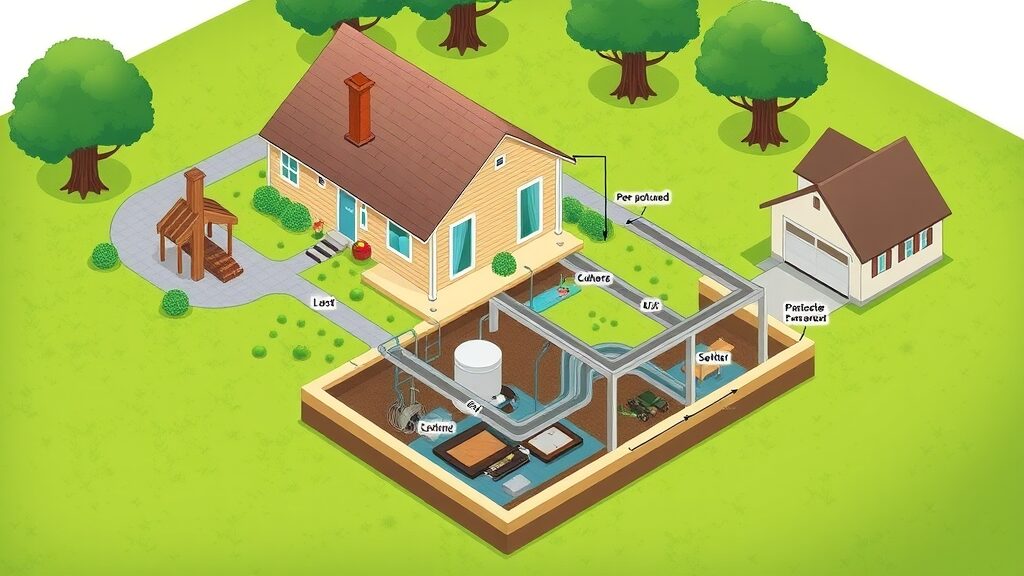
Septic Tank: An underground, watertight container that holds and partially treats sewage from your home, separating solids from liquid before further treatment.
Septic System: The full setup—including the septic tank and disposal system (commonly a leach field or drainfield)—that processes, filters, and disperses household wastewater.
Disposal System: Also called a drainfield or leach field, this is a network of perforated pipes or chambers that distribute treated water into the ground for natural filtration.
Florida law uses these terms in legal and technical documents, and understanding each is vital for discussing permits, repairs, or upgrades with your septic tank contractor or local county agency.
Each part plays a critical role: the septic tank settles and digests waste, while the disposal system disperses the liquid safely and prevents contamination of drinking water, surface water, or neighboring properties. That’s why proper installation and ongoing maintenance under the supervision of the onsite sewage treatment program are mandatory under state law.
Key Statewide Septic Tank Requirements
| Requirement | Septic Tank | Disposal System |
|---|---|---|
| Minimum Distance from House | 5-10 feet | 10 feet |
| Distance from Water Sources | 75-100 feet from wells/lakes | 100 feet |
| Permit Required | Yes (via sewage program) | Yes (onsite sewage program) |
| Inspection Schedule | Every 3-5 years | Every 3-5 years |
| Installation | Licensed tank contractor required | Licensed tank contractor required |
| Advanced Treatment (High-Impact Areas) | Mandatory | Mandatory |
These statewide requirements reflect Florida’s dedication to protecting public health and preventing environmental damage. Proper spacing from homes and water sources ensures that pathogens and pollutants don’t leak into groundwater, while permits and mandatory use of a licensed septic tank contractor offer quality control during construction and significant repairs.
Homeowners must familiarize themselves with these rules. Failure to comply—or using an unlicensed contractor—can void permits, trigger costly repairs, or even require total system replacement at your expense. Always check up-to-date rules with your local county health department or the sewage program, as some cities or counties implement stricter codes than the baseline statewide standards.
New Laws: Recent Updates in Septic System Regulations Florida
“Florida is leading the way with stringent septic system regulations to protect its water resources.” – State Environmental Specialist
Recent years have brought sweeping changes to septic system regulations Florida, spurred by rising concerns about water pollution, blue-green algae blooms, and the impact of population growth on fragile ecosystems. The Florida Department of Environmental Protection and Florida Department of Health have introduced new standards—especially for new builds or upgrades in environmentally sensitive areas like springsheds and coastal zones.
The highlights include required use of advanced treatment and disposal systems in high-impact regions, stricter oversight from the onsite sewage program, and a phased rollout of mandatory system inspections. These changes focus on reducing nutrient loads to Florida’s groundwater and surface water, pushing homeowners and contractors to upgrade outdated systems. State and local regulations now work in tandem to enforce the highest standards of septic tank care. If you are planning a home remodel, new construction, or septic system repair, check the updated guidelines or consult a trusted, licensed contractor.

Steps to Ensure Your Septic System Is Compliant in Florida
- Confirm system meets latest sewage program standards: Double-check that your system follows both statewide and local county requirements, especially before installing or making major repairs.
- Work with a licensed septic tank contractor: Only hire registered professionals authorized by the Department of Environmental Protection or your county health department to ensure proper installation and repairs.
- Schedule regular inspections with the onsite sewage program: Document inspections and maintenance (at least every 3–5 years), as required by law and sometimes needed for real estate transactions.
- Document all repairs and upgrades to your disposal systems: Keep detailed records of permits, receipts, and inspection results in case you need to prove compliance to the health department or during a home sale.
By systematically following these steps, homeowners avoid the most common causes of noncompliance—and gain peace of mind knowing their septic system benefits both household and environment.
Working With a Septic Tank Contractor: What to Know
Choosing a Licensed Tank Contractor for Your Septic System
In Florida, only a licensed septic tank contractor can legally install, repair, or upgrade a system. These professionals must stay current with all septic system regulations Florida, and they handle permitting, inspections, and system design. When searching for a contractor, always verify credentials with the county health department or online at the Florida Department of Health database.
A reputable contractor will guide you through design, construction, and permitting steps. They’ll also ensure the disposal system is properly sized based on your home and environmental conditions. Homeowners should request multiple quotes, check reviews, and confirm that any contractor they select will manage communication with the onsite sewage program and schedule required inspections.

DIY vs. Professional Installation: Septic System Regulations Florida
“Attempting DIY installation without knowledge of Florida’s septic system regulations puts your property and health at risk.” – Licensed Septic Tank Contractor
While Florida law sometimes allows homeowners to install their own system, the state’s complex regulations and high risk of violations make professional installation strongly advised. When you handle your own work, you must still secure all permits, comply with design rules, pass onsite sewage program inspections, and maintain documentation required by the county health department.
Considering the technical expertise—and liability—at stake, most homeowners find it safer and less stressful to hire a licensed septic tank contractor. Professionals are trained in the latest onsite sewage treatment and disposal standards and have the resources to deal with unforeseen challenges or environmental conditions unique to Florida, such as flooding or high groundwater.
Common Septic System Violations and How to Avoid Them
- Improper distance from houses or water sources: Always follow minimum setback requirements to protect groundwater and drinking water quality.
- Using unlicensed contractors: Only hire certified professionals who stay updated on current regulations and can manage permitting.
- Skipping routine maintenance or required inspections: Overdue maintenance often causes system failures and costly repairs.
- Illegal disposal system modifications: Never alter your drainfield or septic components without official approval and permitting.
By staying proactive and partnering with reputable, licensed professionals, you can avoid violations and ensure your home meets all septic system regulations Florida now and in the future. Often, these common mistakes are the result of incomplete information—which underscores the need for clear, ongoing communication with your local onsite sewage program.
Watch this informative explainer video for a visual breakdown of Florida septic system regulations—covering requirements, installation distances, the inspection process, and expert compliance tips.
People Also Ask: Important Questions About Septic System Regulations Florida
What is the new law for septic systems in Florida?
Answer: The new law requires advanced treatment standards for new and upgraded septic systems in high-impact areas, with increased oversight by the onsite sewage program to protect groundwater.
Can a homeowner install their own septic system in Florida?
Answer: Homeowners may install their own septic system under specific conditions but must still comply with all septic system regulations Florida and secure proper permits from the sewage program.
How far does a septic tank have to be from a house in Florida?
Answer: Florida regulations specify that septic tanks must be at least 5-10 feet from the house, depending on tank size and disposal system setup.
How far does a leach field have to be from a property line?
Answer: Leach fields must generally be a minimum of 5 feet from the property line under Florida septic system regulations; local codes may require more.
Onsite Sewage and Disposal System Maintenance: Best Practices
- Inspect your septic system annually: Early detection of problems prevents costly repairs and keeps your system compliant with state sewage program expectations.
- Pump the septic tank every 3-5 years: Routine pumping removes solids and extends the life of your disposal system, maintaining safety and performance.
- Use water efficiently: Excessive water use can overload your septic tank, leading to drainage or pollution issues.
- Keep records of all septic service: Maintain logs for repairs, upgrades, and pump-outs—especially during home sales.
- Follow recommended disposal guidelines: Only flush toilet paper and waste; avoid harsh chemicals or grease that can harm your onsite sewage program–approved system.
Consistently following these best practices protects your property, environment, and ensures that your system passes all inspections. Working closely with a licensed tank contractor makes compliance effortless and guarantees your system meets septic system regulations Florida.
This short educational video demonstrates how Florida homeowners can maintain compliance with evolving septic regulations while keeping their onsite sewage and disposal systems healthy and trouble-free.
Frequently Asked Questions About Septic System Regulations Florida
Are advanced treatment systems required for all new installations?
No, advanced treatment systems are only required for new or upgraded septic systems in certain high-impact areas, such as near springs and protected water bodies. However, local codes or environmental risk factors may prompt additional requirements.
What inspections are needed for my septic system?
Florida law requires initial system inspections for new installations and major repairs, and routine inspections (often every 3–5 years) for most residential septic tanks. Check with your local county health department for the precise schedule and requirements.
Who enforces septic tank regulations in Florida?
The Florida Department of Health, in coordination with local county health departments and the Department of Environmental Protection, enforces septic system regulations. These agencies oversee the sewage program, issue permits, and manage compliance.
Key Takeaways: Septic System Regulations Florida
- Florida’s septic system regulations protect public health and natural resources
- Compliance involves both installation and ongoing maintenance
- Recent law changes affect system requirements and oversight
- Working with licensed professionals ensures proper compliance

Conclusion: Navigating Septic System Regulations Florida with Confidence
By staying informed and partnering with licensed experts, Florida homeowners can meet every regulation, protect their investment, and contribute to healthier communities for years to come.
Advertise Your Local Septic Business in Eustis: Connect with Homeowners
Local Business in the Eustis Area? Reach out to us to advertise and reach thousands of local homeowners eager for trusted septic professionals just like you!