


Did you know? Switching to renewable energy lighting can cut your lighting-related electricity costs by up to 80%, while slashing your carbon footprint at the same time. As energy demand continues to skyrocket, the future clearly lies in harnessing the power of the sun, advanced LED light technology, and smart design for efficient, affordable, and eco-friendly illumination. In this in-depth guide, we shine a light on how renewable energy lighting solutions are redefining homes, businesses, and entire cities. Whether you’re curious about practical benefits, want to improve energy savings, or are ready to join the next era of lighting systems, this article is your bright start.
Renewable Energy Lighting: A New Era in Lighting Solutions
At the heart of the global shift toward sustainability is the rise of renewable energy lighting. Unlike traditional incandescent bulbs that waste energy as heat, today’s solar and LED lighting utilize cutting-edge technology to maximize efficiency and minimize energy loss. The driving force behind this transformation is threefold: a growing awareness of environmental impacts, advancement in lighting solution design, and the desire to save money on electricity bills. By leveraging abundant sources like solar power, modern lighting systems are designed to provide reliable, high-quality illumination while drastically reducing both energy costs and your home or business’s overall carbon footprint.
This revolution is not just about new technology; it’s about new possibilities. Renewable energy lighting is available in forms ranging from sleek solar lighting for garden paths, to high-performance LED lights in commercial buildings, to robust street light systems illuminating cities. Advances in energy efficient bulbs, intelligent motion sensors, and long-lasting components mean these systems outperform traditional options across the board. The result: lower operating costs, increased energy savings, and meaningful environmental impact. Whether you aim to upgrade your home or contribute to your community’s green initiatives, the era of truly sustainable illumination is here.

What You’ll Learn About Renewable Energy Lighting and Lighting Solutions
- How renewable energy lighting works and why it matters
- The various types of solar lighting and LED light systems available today
- Key advantages, challenges, and the science behind energy savings
- Real-life lighting solutions for homes and businesses
Understanding Renewable Energy Lighting: Core Concepts and Trends
“Switching to renewable energy lighting is one of the fastest ways to reduce both electricity bills and environmental impact.” – Energy Expert
Renewable energy lighting merges classic illumination science with cutting-edge sustainable technology. Central to this movement are lighting solutions that extract power from natural sources—primarily solar energy—and apply it through highly efficient systems such as LED lighting. The core concept revolves around transforming incoming renewable power into usable, high-performance light with minimal waste. Over the past decade, we’ve seen an explosion of energy saving technology, with solar power solutions increasingly adopted in urban and rural environments—not just for residential lighting systems, but also large-scale commercial and street light installations.
Key trends driving adoption include a strong governmental push for reduced energy consumption and improved energy efficiency, wide availability of quality products featuring Energy Star ratings, and dramatic reductions in the cost of LED light bulbs and solar panels. Homeowners, cities, and even the United States federal government now invest in renewable energy lighting to realize both immediate and long-term savings. With smart controls such as motion sensors, off-grid capabilities, and the ability to integrate with modern energy management systems, these innovative lighting solutions are positioned as the backbone of a sustainable, vibrant, and cost-effective future.
For those considering a broader home upgrade alongside lighting improvements, exploring local professional services can streamline your project. If you’re interested in enhancing your property’s appearance and value, you might want to browse the directory of painters in Eustis for trusted experts who can complement your sustainable lighting installation.

Types of Renewable Energy Lighting Solutions: From LED Lighting to Solar Street Light Innovation
- Solar lighting and solar-powered street lights
- LED lighting and efficient LED light technologies
- Hybrid and off-grid outdoor lighting systems
The ecosystem of renewable energy lighting is robust, flexible, and ever-expanding. Solar lighting leverages photovoltaic cells to capture sunlight, storing this energy during the day and powering lights at night—ideal for outdoor lighting, garden paths, and street light applications. Solar-powered street lights are now widely used for municipal roadways, parking lots, and community spaces due to their low maintenance and independence from the electric grid. The up-front cost is increasingly counterbalanced by years of near-zero ongoing energy costs and a clear reduction in carbon footprint.
Parallel to solar lighting, LED lighting has surged as a leading solution for both indoor and outdoor needs. These advanced lighting systems convert more electricity to visible light than traditional incandescent bulbs or metal halide lamps, and last significantly longer—often tens of thousands of hours. For areas where sunlight access is variable or where even greater reliability is needed, hybrid systems combine solar power with battery backups or grid connectivity to ensure uninterrupted energy savings and illumination. This diversity means a tailored lighting solution exists for virtually every application, from residential upgrades to large-scale lighting system retrofits.
How Renewable Energy Lighting Systems Work
The operation of renewable energy lighting systems starts with energy capture and conversion. Solar panels or photovoltaic cells gather sunlight, converting photons into direct current (DC) electricity—a process known as the photovoltaic effect. This DC power then charges a built-in battery system, storing energy during daylight hours. Once dusk falls or motion sensors detect darkness or movement, the control circuitry automatically delivers stored power to the LED light fixtures. These LED lighting components are designed for extremely high efficiency, translating most of the electrical power into visible light with minimal heat loss, unlike traditional incandescent bulbs which waste energy as heat.
In hybrid and larger lighting systems, advanced microcontrollers monitor energy levels and manage switches between solar, battery, and grid sources as needed. Smart features such as timers, dimming capabilities, and occupancy-based lighting ensure further energy savings by providing light only where and when it’s needed. The result is a seamless lighting solution capable of adapting to environment, usage, and even weather conditions, all while contributing to energy efficiency and environmental sustainability.
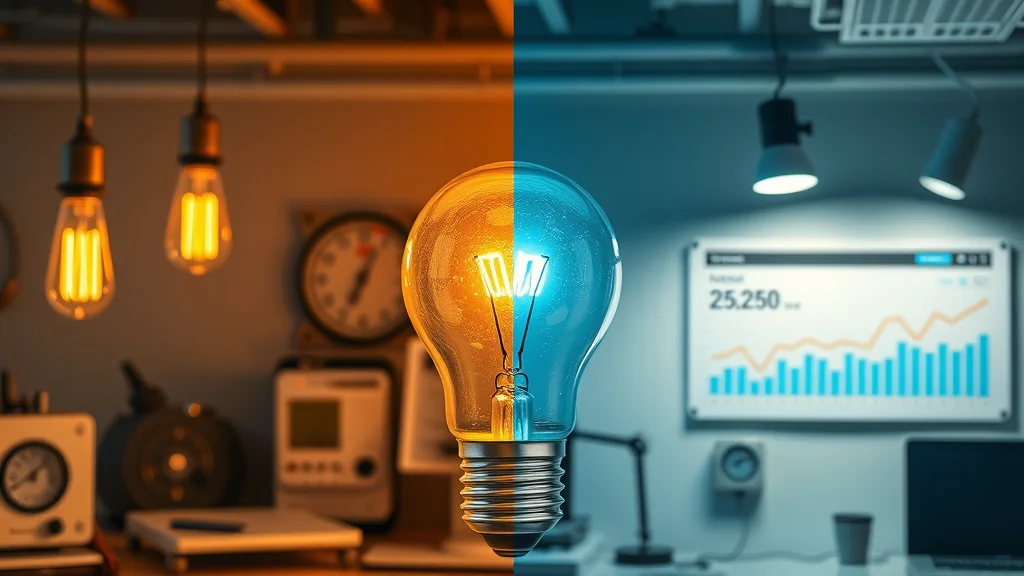
Comparing Energy Savings: Traditional Lighting vs. Renewable Energy Lighting
| Feature | Traditional Lighting (Incandescent/Metal Halide Bulbs) | Renewable Energy Lighting (LED/Solar) |
|---|---|---|
| Initial Cost | Low–Medium | Medium–High (offset by long-term savings) |
| Energy Consumption | High (energy costs accumulate) | Low (energy saving, efficient use of solar power) |
| Lifespan | 750–2,000 hours | 15,000–50,000+ hours |
| Carbon Footprint | High (more emissions per light bulb) | Minimal (reduced emissions, cleaner energy) |
| Maintenance | Frequent replacement & repairs | Minimal maintenance required |
| Energy Savings Potential | Limited | Up to 80% savings vs. traditional lighting solutions |
Key Benefits of Renewable Energy Lighting Solutions
- Lower operating costs and energy savings
- Improved energy efficiency and reduced carbon footprint
- Reliability during grid failures with off-grid lighting solution options
The major benefits of renewable energy lighting solutions can be summed up in three words: savings, sustainability, and reliability. By switching to LED lighting and solar lighting, users dramatically lower monthly utility costs and ongoing maintenance expenses. With energy efficient lighting systems, less power is drawn from either the grid or fuel-consuming sources, allowing organizations and homeowners to save money while making a positive environmental impact by minimizing greenhouse gas emissions and their personal carbon footprint.
Beyond financial and ecological savings, renewable energy lighting offers crucial reliability advantages, especially in areas susceptible to power outages. Off-grid and hybrid lighting solutions continue to provide critical illumination for safety, security, and operational needs during brownouts and blackouts. With advancements in battery storage and smart controls, these systems offer peace of mind, ensuring your environment remains well-lit regardless of outside circumstances.
“LED lighting and solar power systems have revolutionized lighting, making sustainability accessible for all.” – Lighting Systems Architect

Applications: Renewable Energy Lighting in Real World Lighting Systems
- Residential solar lighting and garden outdoor lighting
- Commercial and street lighting systems
- Industrial and municipal lighting solutions
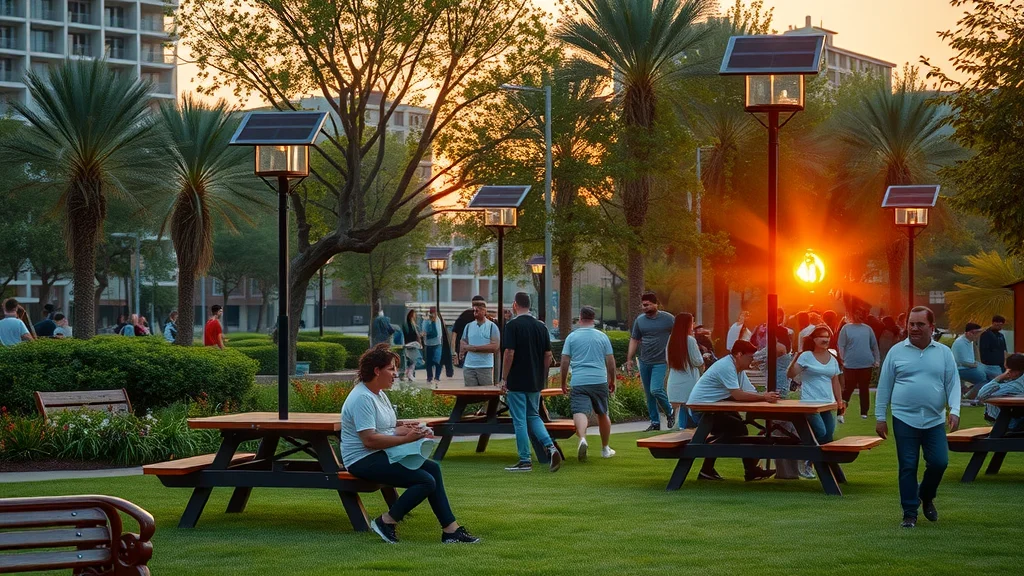
The versatility of renewable energy lighting solutions has led to widespread adoption across multiple sectors. In the residential space, solar lighting enhances everything from garden walkways to accent lighting, offering homeowners an easy and affordable way to boost curb appeal while maximizing energy savings. Municipalities are investing in solar-powered street light networks, improving nighttime safety in parks, parking lots, and public spaces—all while dramatically cutting operating budgets and maintenance demands.
Commercial properties and industrial complexes also benefit from modern LED light installations which provide consistent, high-quality lighting systems for warehouses, storefronts, and outdoor areas. These energy efficient upgrades not only cut operational costs but also enhance the visual appeal and sustainability image of the business. For municipalities, large-scale adoption means smarter spending and a demonstrable commitment to renewable energy that resonates with eco-conscious communities and customers.
Getting Started: Selecting and Installing a Renewable Energy Lighting System
- Factors to consider: lighting requirements, site assessment, and budget
- Choosing between LED light, solar lighting, and hybrid lighting solutions
Selecting the ideal renewable energy lighting system starts with a thorough assessment of your lighting needs and site conditions. Factors like the intended application (e.g., outdoor lighting, garden paths, parking lots, or street lights), average daily sunlight, and local weather patterns all impact performance and system sizing. Consider your budget, as the initial investment for high-quality solar lighting or advanced LED lighting may be higher, though this is offset by lower long-term energy costs and maintenance.
Once you’ve determined requirements, evaluate various lighting solutions: LED light fixtures are best for high-usage indoor and commercial areas, while solar lighting excels in outdoor lighting applications without reliable grid access. Hybrid systems offer maximum flexibility and reliability for critical infrastructure. For a successful installation, consider professional site assessment and seek products that meet Energy Star or equivalent standards from recognized organizations, as recommended on official or gov websites. With the right planning, your upgrade will deliver reliable, cost-saving, and sustainable illumination for years to come.

Financial Incentives and Tax Credits for Renewable Energy Lighting
- Local and federal tax credits for energy saving initiatives
- Return on investment with efficient LED and solar lighting system upgrades
Investing in renewable energy lighting delivers more than just utility savings—it can also yield immediate financial incentives. In the United States, both local and federal programs offer tax credits or rebates to businesses and homeowners who install qualifying energy saving technologies, including solar power lighting solutions and highly efficient LED systems. These incentives typically cover a percentage of the upfront cost, directly accelerating return on investment and making sustainable upgrades more attainable than ever before.
By combining these tax credits with the ongoing energy savings and reduced maintenance expenses characteristic of modern lighting systems, most users see full payback within just a few years. Beyond the cost benefits, participation in incentive programs strengthens your sustainability profile—an increasingly important factor for both businesses and municipalities. Check your local official government website for the most up-to-date details on available tax credits and energy efficiency grants.
Common Misconceptions and Challenges with Renewable Energy Lighting
- Myth: Energy saving lights don’t save money
- Myth: LED lighting harms your health
- Challenge: Initial investment barrier
Despite overwhelming evidence to the contrary, myths about renewable energy lighting persist. Some believe that energy saving light bulbs do not actually save money; however, the reality is that modern LED light and solar lighting systems dramatically lower energy costs over time and require far less frequent replacement compared to traditional light bulbs. Another common misconception is that LED lighting negatively impacts health. In fact, today’s high-quality lighting systems are engineered for optimal color rendering and reduced glare, offering safe, comfortable light for both homes and workplaces.
The most tangible challenge facing new adopters is the initial investment cost. While renewable energy lighting solutions generally require a higher up-front outlay than conventional systems, this is rapidly offset by significant energy savings, utility rebates, and long-term durability. Programs offering tax credits further reduce financial barriers and make it easier for everyone to embrace efficient, sustainable lighting.
People Also Ask About Renewable Energy Lighting
What is the most environmentally friendly lighting?
Renewable energy lighting—particularly LED lighting powered by solar energy—is widely recognized as the most environmentally friendly choice available today. These lighting systems consume far less electricity, produce minimal heat, and typically use recyclable materials, resulting in a much lower carbon footprint compared to incandescent bulbs or other traditional options. Choosing energy efficient lighting solutions is an important step in reducing environmental impact and promoting a sustainable future.
What is the healthiest alternative to LED lights?
While LED lighting remains the leading energy saving choice, some individuals prefer halogen incandescent bulbs or high-quality compact fluorescent lamps (CFLs) as alternatives due to their specific color temperatures and reduced blue-light output. However, modern LED light products now come in a range of color temperatures and feature flicker-free technology, making them suitable and safe for nearly all uses. For special applications, consult with a lighting design specialist to ensure the lighting system aligns with health and comfort needs.
Do energy saving light bulbs really work?
Absolutely. Both LED light bulbs and certified CFLs have been proven to deliver major energy savings for homes and businesses. According to the U.S. Department of Energy’s official website, switching to energy saving light bulbs can reduce household lighting electricity use by up to 75%. These bulbs last much longer than standard incandescent bulbs, minimizing waste and further lowering both costs and environmental impact.
Is light renewable energy?
The light itself isn’t a form of renewable energy; however, when illumination is powered by sources like solar energy or wind, it becomes a product of renewable energy. Solar lighting and solar-powered lighting systems convert sunlight—a renewable resource—into usable, sustainable light, making them an integral part of modern, energy efficient solutions.
Frequently Asked Questions About Renewable Energy Lighting
- What are the installation requirements for solar lighting systems?
Most solar lighting systems require direct sunlight for optimal charging, sturdy mounting locations, and occasional cleaning of panels. Site assessment prior to installation is key to ensure maximum energy capture and storage. - How long do efficient LED lights last compared to traditional bulbs?
High-quality LED lights typically last between 15,000 and 50,000 hours, whereas traditional incandescent bulbs may only operate for 1,000–2,000 hours. This results in fewer replacements, less waste, and greater energy savings. - Are renewable energy lighting systems suitable for all climates?
Yes. Today’s renewable energy lighting solutions are designed to perform reliably in a wide range of climates, from sunny and dry to cold and snowy. System selection and battery capacity should match local weather and usage needs.
Key Takeaways for Adopting Renewable Energy Lighting Solutions
- Renewable energy lighting delivers substantial energy and cost savings while reducing environmental impact.
- Lighting systems such as LED lights and solar lighting are practical, efficient, and increasingly accessible for every application—from street lights to residential gardens.
Final Thoughts: Why Renewable Energy Lighting is the Bright Solution for the Future
Embracing renewable energy lighting isn’t just a trend—it’s a forward-thinking investment in energy savings, lower costs, and a cleaner planet. Make the switch and illuminate your world, sustainably.
As you consider the next steps in your journey toward a more energy-efficient and sustainable property, remember that upgrading your lighting is just one piece of the puzzle. There are many ways to enhance your home or business, from eco-friendly renovations to professional services that boost both curb appeal and long-term value. For a comprehensive look at local experts who can help you transform your space—whether through painting, repairs, or other home improvements—explore the Eustis Home Services painters category. Discover how combining smart lighting with skilled craftsmanship can create a brighter, more beautiful, and sustainable environment for years to come.
Ready to Light Up the Future with Renewable Energy Lighting?
Local Business In the Eustis Area? Reach out to us to advertise and reach thousands of local home owners!