


Did you know that nearly 70% of households have pets, yet most common pest control products can pose serious risks to animal health? This startling fact reveals a hidden challenge for pet owners striving to keep homes pest-free without endangering their beloved furry friends. Luckily, you don’t have to choose between effective pest control and your pet’s safety. From innovative non-toxic techniques to expert-approved solutions, we’ll uncover pet-friendly pest control methods that really work—helping you achieve a pest-free, pet-safe home with peace of mind.
Why Pet-Friendly Pest Control Methods Matter for Every Pet Owner
If you’re a pet owner, you’re probably familiar with the constant balance between keeping your pets safe and protecting your home from pests. Traditional pest control methods often include harsh chemicals that might drive bugs away, but they also carry hidden threats for dogs, cats, and other animals. Many of these products fail to account for the unique behaviors of pets, such as licking or sniffing surfaces, putting them at risk for accidental poisoning or long-term illness. The right pet-friendly pest control methods prioritize both effective pest elimination and the safety of every animal in the household.
Using safe pest control isn’t just about following a trend—it’s essential for long-term pet health and responsible ownership. Pets have different sensitivities than humans; what might be harmless to us could trigger severe health issues or even be fatal for them. Additionally, pests such as fleas, ticks, and rodents bring their own dangers to pets, compounding the urgency for pet owners to find reliable, non-toxic pest solutions. Thankfully, many modern approaches make it possible to keep your home pest-free without compromising your furry friends’ safety.

“Studies show nearly 70% of households have pets—yet most common pest control products can pose serious risks to animal health.”
What You’ll Learn About Pet-Friendly Pest Control Methods
- Understanding the significance of safe pest control for pet owners
- Top pet-friendly pest control methods and how they work
- How to identify non-toxic pest control solutions
- Tips for keeping your pets safe during pest management
- The role of professional pest control services for pet owners
Understanding the Risks: Why Safe Pest Control Is Essential for Pet Owners
Recognizing Harmful Chemicals in Traditional Pest Control Methods
A major challenge for pet owners comes from the dangerous ingredients found in conventional pest control products. Pesticides and insecticides often contain harmful chemicals like organophosphates, pyrethroids, and carbamates. These substances are highly effective against bugs, but they can be hazardous if a curious dog or cat walks across treated surfaces or ingests residue. Even products labeled “safe” for indoor use may not account for pet-specific risks, making it crucial to read ingredient lists carefully and avoid products with unclear or secretive formulas. Some rodents baits and ant traps are particularly attractive to pets and can cause severe poisoning in mere moments.
Pets are at special risk because they explore by sniffing, licking, or even consuming items left on floors and low surfaces. Therefore, pet owners should scrutinize each product before use and consider non-toxic or organic pest control methods when possible to ensure maximum safety for their animals.
Health Implications for Pets: What Every Pet Owner Needs to Know
The health risks associated with traditional pest control extend beyond accidental poisonings—exposure to certain chemicals can result in chronic issues for pets, including respiratory distress, neurological symptoms, skin irritations, and gastrointestinal problems. Dogs and cats have smaller body sizes and sensitive systems, making them far more vulnerable to even small doses of hazardous substances. Common signs of chemical exposure include drooling, vomiting, difficulty breathing, tremors, or unusual lethargy, which should prompt an immediate call to your veterinarian.
When designing a safe pest control plan, pet owners should prioritize long-term pet health. That means not only using less hazardous products but also considering the placement of baits and sprays, regularly ventilating treated spaces, and ensuring there’s no residue left on surfaces your pet regularly contacts.
Common Mistakes Pet Owners Make with Pest Control
Despite the best intentions, many pet owners unknowingly put their animals at risk during pest management. One frequent mistake is assuming that products labeled as “natural” or “green” are always pet-friendly—unfortunately, this isn’t always accurate. Essential oils like tea tree or eucalyptus, for example, can be highly toxic to cats and dogs even in small amounts. Other common pitfalls include improper storage of chemical pesticides, skipping label instructions, or returning pets to treated areas too soon.
Another overlooked danger is relying solely on spot treatments while ignoring larger pest problems or not consulting professional pest control services when infestations persist. A thorough understanding and cautious approach can prevent accidental exposures and long-term harm, ensuring the safety of your entire household.
Principles of Pet-Friendly Pest Control Methods
How Do Safe Pest Control Solutions Work?
Effective pet-friendly pest control methods rely on a different set of principles compared to their traditional counterparts. Instead of toxic chemicals, these solutions often use physical barriers, biological agents, natural repellents, or targeted mechanical traps. Diatomaceous earth, for instance, works by dehydrating insects on contact, posing zero risk to mammals. Essential oils like lavender or cedar (when used correctly and diluted) can repel bugs while offering a safer profile for many animals.
Other techniques focus on disrupting pest habitats rather than spraying every surface. This can include sealing entry points, eliminating food sources, and maintaining regular cleaning. Many professional pest control services now specialize in non-toxic solutions, combining advanced knowledge of pest behavior with pet-safe applications that provide long-term results without exposing your animals to dairy or dangerous residues.
Key Qualities of Friendly Pest Control Approaches
The most reliable friendly pest control strategies share several key qualities. First and foremost, they use ingredients or mechanisms recognized as non-toxic to pets—meaning even if a curious animal comes into mild contact, there’s minimal or no harm. Secondly, they are highly effective against target pests without causing unintended side effects to non-target species. Solutions like beneficial insects, ultrasonic repellents, or well-designed barriers do an excellent job of keeping bugs out without posing risks to household pets.
Another important quality is ease of use and repeatability—pet-friendly pest control methods should be simple enough to integrate into your regular cleaning routine and should not require specialized knowledge. Finally, these approaches often come with transparent labels, clear usage instructions, and credible certifications, giving pet owners confidence in their safety and efficacy.
“Pet-friendly pest control prioritizes both effectiveness and the well-being of every animal in the home.” – Licensed Pest Control Expert
Top 7 Pet-Friendly Pest Control Methods for Responsible Pet Owners
- Diatomaceous Earth Applications
- Essential Oil Sprays: Pros and Cons
- Beneficial Insects for Natural Pest Management
- DIY Vinegar and Baking Soda Solutions
- Ultrasonic Pest Repellents
- Physical Barriers and Traps
- Biological Pest Control with Professional Pest Services
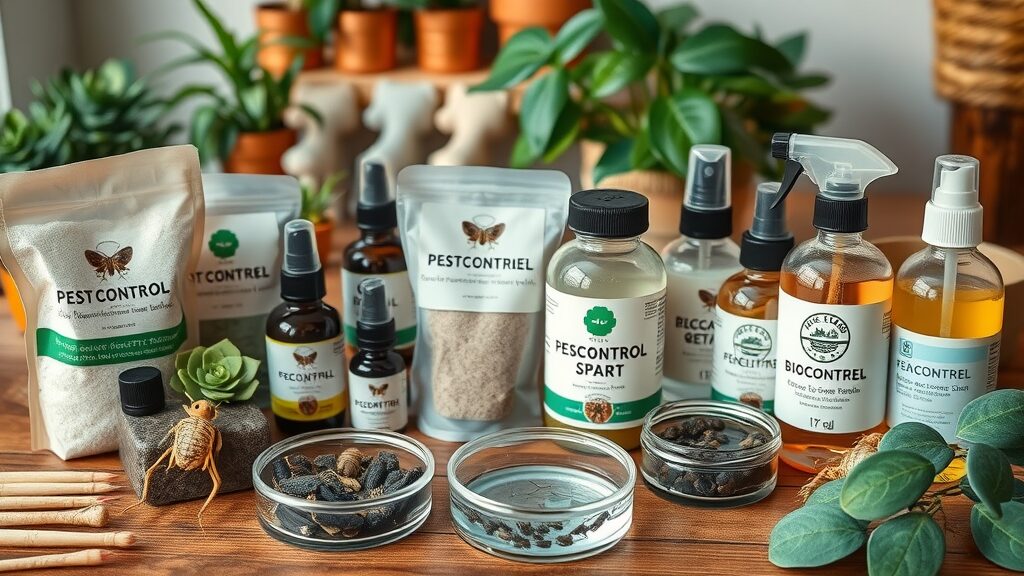
Demonstration: Comparing the Top Pet-Friendly Pest Control Methods in Action
Choosing a Friendly Pest Control Service: What Pet Owners Should Look For
Certifications and Safety Standards in Safe Pest Control
When seeking a pest control service, it’s crucial to look for companies that are certified in safe, humane, and non-toxic pest management. Ask if the company holds certifications from recognized industry groups, such as the National Pest Management Association (NPMA) or GreenPro Certification, which emphasize environmental stewardship and animal safety. True safe pest control services will provide clear details on their ingredients and application methods, ensuring everything used is evaluated for pet health impacts. Don’t hesitate to request safety data sheets or clarification on any substances to be used inside your home.
While certifications alone can’t guarantee perfect results, they indicate a company’s commitment to ongoing education, up-to-date practices, and high standards—offering peace of mind for pet owners and a proactive approach to keeping your pets safe during treatments.
Questions to Ask Before Bringing Pest Control Services into Your Home
Knowing the right questions to ask is essential for every pet owner looking to partner with a friendly pest control service. Consider asking: What specific products and active ingredients will be used? Are these methods guaranteed pet-safe, and have they been tested for non-target species? How long should pets be kept out of treated areas? Can you offer references from other pet owners? Do you offer eco-friendly or non-toxic programs as part of your pest management menu?
Asking these questions will clarify the company’s commitment to your pets’ safety and ensure you know what to expect before, during, and after the pest control service is performed.
| Method | Efficacy | Cost | Longevity | Pet Safety |
|---|---|---|---|---|
| Diatomaceous Earth | High (for insects) | Low | Moderate | Excellent |
| Essential Oil Sprays | Moderate | Medium | Short | Good (with proper dilution) |
| Beneficial Insects | High | Medium-High | Long | Excellent |
| DIY Vinegar/Baking Soda | Low-Moderate | Low | Short | Excellent |
| Ultrasonic Repellents | Varies | Medium | Moderate | Excellent |
| Physical Barriers/Traps | High (targeted pests) | Medium | Moderate-Long | Excellent |
| Biological (Professional Service) | High | High | Long | Excellent |
DIY vs. Professional Pest Control Solutions for Pet Owners

When to Call Professional Pest Control Services
While DIY methods can be effective for mild pest problems or prevention, they have their limits. If you experience repeated infestations, see signs of pests in your pet’s sleeping area, or notice ineffective pest control after several DIY attempts, it’s time to consult professional pest control services. Experts not only have access to stronger, yet safe, pest management tools—they can also identify pest sources, customize a friendly pest control plan for your home, and provide ongoing support.
Calling in a professional pest control service is especially important if the pest risk involves species that may endanger your pets, such as brown recluse spiders, aggressive ants, or disease-carrying rodents. Professionals will ensure effective pest control without putting your animals’ health in jeopardy.
Cost-Benefit Analysis for Professional Pest Management
When weighing your options, it’s natural to consider the cost of professional pest control versus DIY approaches. Although hiring an expert may seem expensive upfront, the investment often pays off through superior effectiveness, fewer repeat treatments, and lower long-term risks to your pets’ health. DIY methods, while budget-friendly, may need frequent reapplication or don’t always address the root cause—potentially resulting in ongoing pest problems and food safety risks for pets.
Ultimately, choosing the right method should factor in the value of peace of mind, the ability of pet owners to address infestations swiftly, and the priceless importance of maintaining a safe, happy environment for all household pets.
Interview with a Professional Pest Control Technician: Addressing Common Pet Owner Concerns
Keeping Your Pets Safe During Pest Management Treatments
- Preparing your home ahead of service appointments: Remove pets, their bedding, and food/water bowls from treatment areas. Secure aquariums or terrariums by covering them tightly, and ventilate rooms before ushering pets back in.
- Guidelines for pet owners post-treatment: Wait the recommended time before allowing pets to return to treated zones. Clean surfaces as advised, and monitor animals for any odd behavior or symptoms of exposure.
- Emergency steps if accidental exposure occurs: Quickly relocate your pet to fresh air, rinse off skin or paw contact, and contact your vet or the Pet Poison Helpline with details about the substance involved.
“A proactive approach to pest control can prevent both infestations and health risks for pets.” – Veterinary Toxicologist
People Also Ask: Answers to Your Top Pet-Friendly Pest Control Questions
How do you get rid of bugs without harming pets?
Answer:
“Focus on physical removal, pet-safe sprays, and keeping food sealed. Avoid chemicals that list toxic warnings for dogs or cats.”
In practice, this means using a mix of pet-friendly pest control methods, such as vacuuming, laying diatomaceous earth, or applying diluted essential oil sprays approved for pet safety. Always keep your pets out of the room during application and until surfaces are fully dry, and consult your veterinarian about pet-safe approaches for your household species.
Which pest control is safe for pets?
Answer:
“Opt for natural or professional pet-friendly pest control methods—research brands that are certified safe for pets and use transparent ingredient lists.”
Depending on the pest and area of concern, safe pest control options include products certified by pet safety authorities, ultrasonic repellents, and methods recommended by veterinary professionals. Diatomaceous earth and physical traps are among the top-rated for both efficacy and pet safety.
Is there such a thing as non-toxic pest control?
Answer:
“Yes, several options like essential oils, heat treatments, and biological pest control offer non-toxic solutions without compromising safety.”
Many non-toxic options have emerged in the market, ranging from beneficial nematodes for lawn pests to steam treatments for bed bugs. Research each method for species-specific compatibility before using around your home’s animals.
How do exterminators work with pets?
Answer:
“Professional pest control services assess your living space and tailor strategies to keep pets safe during and after treatment, frequently advising temporary removal of pets from the affected areas.”
Experienced exterminators will clearly communicate their methods, suggest pre-and post-treatment protocols, and work with you to avoid unnecessary risks for your animals. Opt for professionals who provide written pet safety guidelines for each service provided.
FAQs: Pet-Friendly Pest Control Methods
- Can pet-friendly pest control methods be used outdoors? Most pet-safe solutions, such as diatomaceous earth, biological controls, and certain essential oil sprays, can be safely applied in outdoor spaces. Always supervise pets in treated areas and monitor for any reaction.
- How long should pets stay away after treatment? This depends on the product, but generally pets should remain out until surfaces are fully dry—typically 1-4 hours. Follow label or provider instructions for best results.
- Are there any side effects for pets from natural pest control solutions? While rare, some natural ingredients (like citrus or certain essential oils) can irritate sensitive pets. Monitor animals after first use and switch methods if you see signs of distress, allergies, or digestive upset.
- Is professional pest control necessary if using pet-safe solutions? While DIY solutions work for small infestations, professional pest control services often bring greater expertise, stronger yet safe products, and more comprehensive pest elimination for your peace of mind.
Key Takeaways: Implementing Pet-Friendly Pest Control Methods
- Always verify products for pet safety certification
- DIY methods work but may require frequent reapplication
- Professional pet-friendly pest control service can offer peace of mind
- Ongoing vigilance is vital for keeping your pets safe

Conclusion: Safe Pest Control for Happy, Healthy Pets
Choosing pet-friendly pest control methods is the best investment you can make in your home’s health and your pets’ happiness. Prioritize certified, non-toxic options and don’t hesitate to consult an expert when needed.
Local Business In the Eustis Area? Advertise Your Pet-Friendly Pest Control Service
“Local Business In the Eustis Area? Reach out to us to advertise and reach thousands of local home owners!”