


Did you know that,according to the CDC, over 100,000 pets are accidentally poisoned by traditional pest control products every year in the U.S. alone? When it comes to pest control, keeping our dogs safe is more important than ever. But are you aware of the risks hidden in many conventional pest control products, and do you know about the safer, non-toxic alternatives available? Let’s explore the science, products, and practical steps to protect your furry friend and your home.
Startling Facts: Why Non-Toxic Pest Control for Dogs Matters
“According to the CDC, over 100,000 pets are accidentally poisoned by traditional pest control products every year in the U.S. alone.”
Non-toxic pest control for dogs isn’t just an emerging trend—it’s a necessity proven by startling statistics. When using traditional pest control products, you may unknowingly expose your dog to hazardous chemicals that can cause serious health issues, from minor irritations and upset stomachs to potentially fatal toxic reactions. Dogs are particularly vulnerable as they explore treated areas with their nose and paws, making accidental ingestion or absorption more likely. If your goal is a truly pet safe home, switching to safe pest control products means reducing your dog’s risk of poisoning while still maintaining an effective barrier against common pests. Pet safe pest solutions ensure you don’t have to compromise between your pup’s safety and a pest-free home.
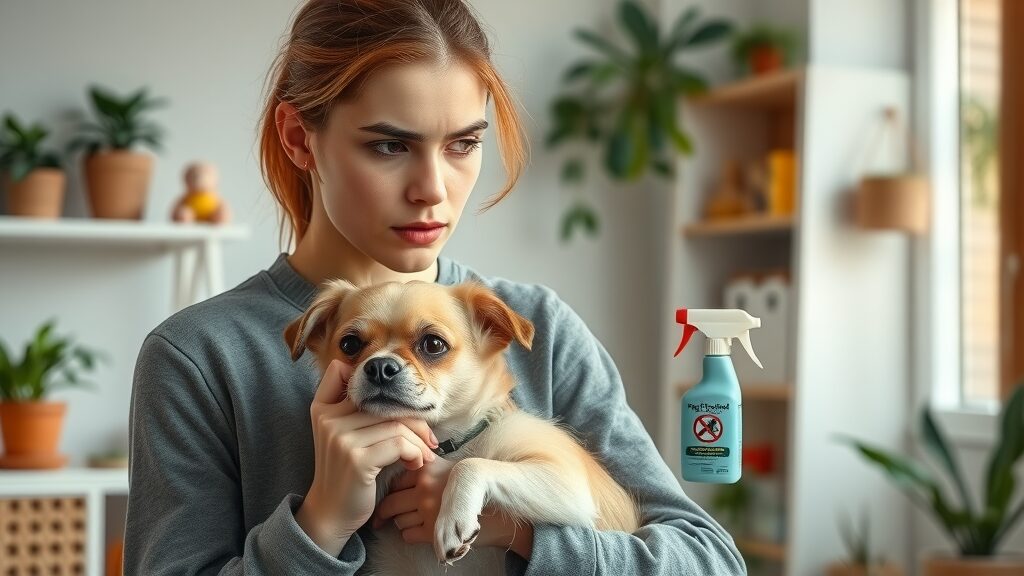
What You’ll Learn About Non-Toxic Pest Control for Dogs
- The risks of traditional pest control for pets
- How natural essential oils and safe pest control products work
- Expert testing and product reviews
- Tips and actionable strategies for a pest-free, pet-safe home
Understanding Non-Toxic Pest Control for Dogs: The Essentials
What is Non-Toxic Pest Control for Dogs?
Non-toxic pest control for dogs refers to using specially formulated products and natural methods to keep pests at bay without risking your pet’s health. These approaches avoid harsh, toxic chemicals traditionally found in pest control products. Instead, they rely on natural essential oils, plant-based solutions, and mineral-based remedies like diatomaceous earth and boric acid (when used appropriately). The goal is simple: to harness the power of nature in friendly pest control, creating an environment that is both pet safe and pest-free. By choosing non-toxic pest control products for your home, you prioritize your dog’s well-being while using solutions proven to work at repelling or eradicating common pests—from fleas and ticks to ants and mosquitoes—without the collateral damage caused by toxic chemicals.
Whether you’re treating a single treated area or implementing a top to bottom pest management strategy, opting for pet safe pest control products makes every space in your home safer for your furry friends. These solutions utilize natural essential oils like peppermint oil and lavender, often combined with inert ingredients or other natural compounds, to target pests while being gentle on sensitive noses and skin. Always look for products explicitly labeled as pet safe, avoiding active ingredients known to cause harm in dogs, and consult with your veterinarian for guidance when introducing new control products to your living space.
Non-Toxic Pest Control vs. Traditional Pest Control: Key Differences
Understanding the difference between non-toxic and traditional pest control methods is crucial for anyone who wants an effective but pet safe solution. Traditional pest control products often contain powerful synthetic chemicals such as pesticides (like permethrins or pyrethroids) and active ingredients like sodium lauryl sulfate, which can pose significant health risks to dogs through inhalation, skin contact, or accidental ingestion. These substances are not only harmful to pets but also to children and adults in the household.
In contrast, non-toxic pest control products leverage the power of natural essential oils (such as cedarwood, lemongrass, and peppermint oil) and minerals like diatomaceous earth or boric acid. These pet safe alternatives work by targeting pests’ physiological weaknesses without introducing harmful residues or toxic by-products into treated areas. Such control products are typically free from harsh chemicals, synthetic fragrances, and dangerous inert ingredients, making them much safer for dogs, even with repeated use in indoor and outdoor environments. The core advantage of non-toxic pest control for dogs lies in prevention and ongoing safety, ensuring pets can roam freely without worry.
| Criteria | Traditional Pest Control Products | Non-Toxic Pest Control Products |
|---|---|---|
| Main Ingredients | Synthetic pesticides, toxic chemicals, sodium lauryl sulfate | Natural essential oils, diatomaceous earth, boric acid (when used correctly) |
| Pet Safety | High risk of poisoning, allergic reactions, toxic residue | Pet safe, low toxicity, minimal allergic potential |
| Effectiveness Against Pests | Strong, but hazardous to pets and household | Proven to work with correct application and consistency |
| Environmental Impact | Often harmful, persistent residues | Eco-friendly, fast breakdown in environment |
| Suitability for Home Use | Limited—requires pet quarantine from treated areas | Safe pest solutions allow pets to remain in treated areas after application |
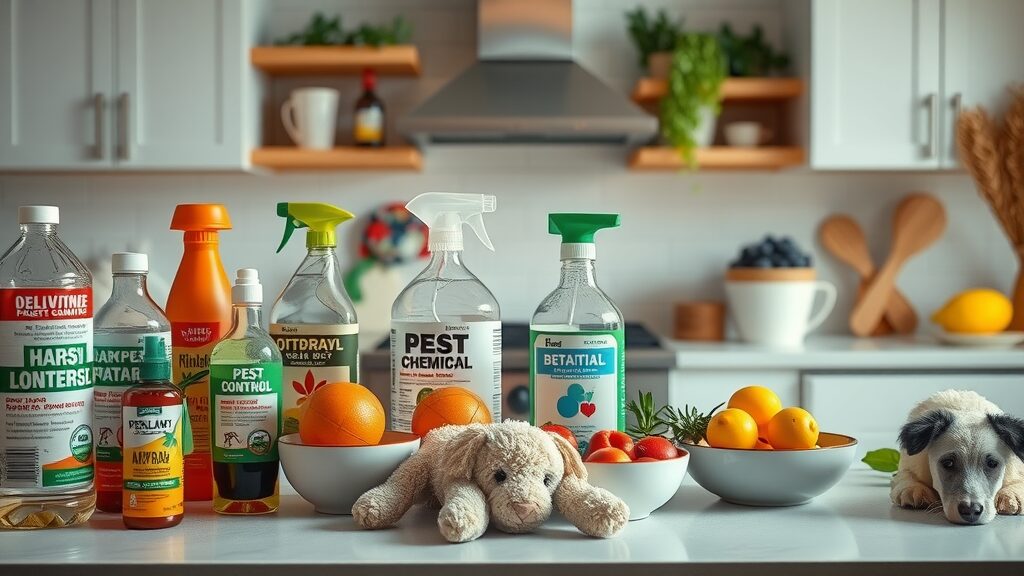
Key Features of Safe Pest Control Products for Dogs
- Pet Safe Pest Solutions
- Use of Natural Essential Oils
- Chemical-Free Formulations
- Effectiveness of Diatomaceous Earth and Boric Acid
- Friendly Pest Control Product Certifications
The hallmark of any safe pest control product for dogs is its formulation—being free of toxic chemicals and heavy reliance on natural essential oils or minerals instead. A truly pet safe pest solution avoids harsh active ingredients and uses compounds like diatomaceous earth to eradicate pests by drying out their exoskeletons, while botanical oils (peppermint, cedarwood, or lemongrass) serve as natural repellents. Look for control products that carry third-party certifications or endorsements for pet use, as this guarantees safety standards have been met and the product is less likely to cause an adverse reaction.
Another vital feature is the clear identification of all active and inert ingredients on the label, including information on chemical-free composition and specific warnings for sensitive breeds. Whether you opt for commercial or DIY remedies, always choose pest control products that have been reviewed and tested for efficacy and safety around animals. This careful selection process helps ensure friendly pest management for every dog-loving household.
Popular Non-Toxic Pest Control Products for Dogs
Natural Essential Oils: Uses and Effectiveness
Natural essential oils are increasingly being used in non-toxic pest control for dogs because they repel pests through their strong scent and insecticidal properties—without risk to your pets when correctly diluted and applied. Oils like cedarwood, peppermint oil, and lemongrass have been proven to work against fleas, ticks, mosquitoes, and other common pests. Essential oil-based sprays and diffusers offer a pet safe alternative to traditional pest solutions, emitting a pleasant smell while driving bugs away.
It’s important to use these oils with care: always dilute with water or a carrier oil, test a small patch for sensitivity on your dog’s skin, and avoid oils toxic to pets such as tea tree or clove. Many commercial pest control products also blend several natural essential oils for enhanced efficacy, providing broad-spectrum protection while maintaining a friendly pest environment. Choose products with transparent ingredient lists, third-party safety certifications, and clear directions for use in both indoor and outdoor settings.
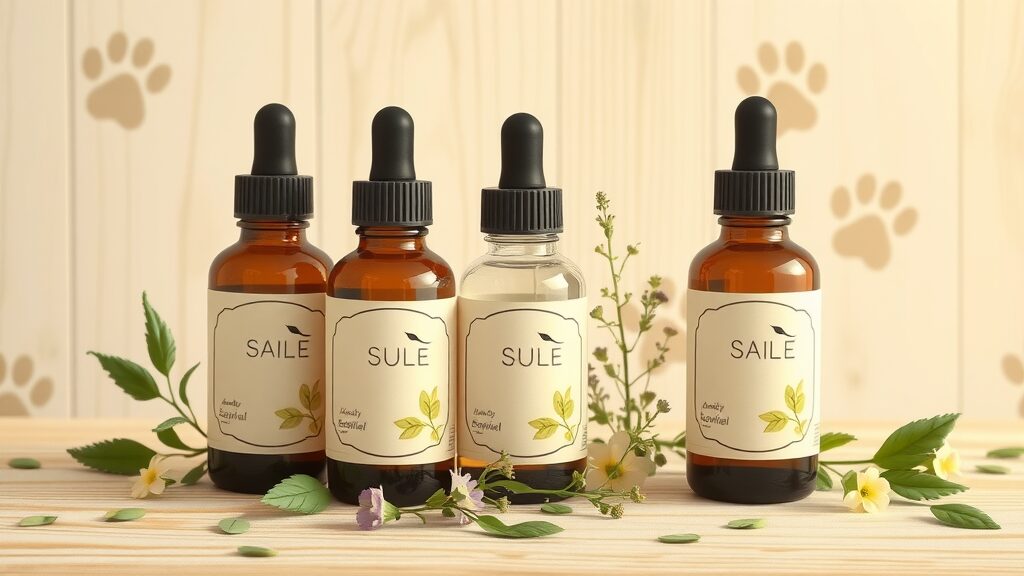
Diatomaceous Earth, Boric Acid, and Other Safe Pest Remedies
Diatomaceous earth is a mineral-based power tool in non-toxic pest control, acting physically on pests such as fleas, ticks, and ants. When applied to cracks, crevices, pet bedding, and carpets, diatomaceous earth dehydrates and kills insects without introducing harmful toxins. Only use food-grade diatomaceous earth, as other forms may contain unwanted additives or be harmful if inhaled. Boric acid, another widely used remedy, is also effective—especially against ants. Always note: boric acid should never be applied directly to your dog or in areas where your pet might ingest it.
Other natural remedies include white vinegar sprays, citrus peels placed around the house, and specific proprietary blends that combine essential oils with safe pest carriers. Among these, botanically-derived commercial products have become popular, often combining the effectiveness of diatomaceous earth with plant extracts, essential oils, and inert carriers like polyglyceryl oleate for easier application. All these solutions share the benefit of being friendly pest control options, allowing consistent use in areas frequented by pets and children.
Top-Rated Pet Safe Pest Control Products: Reviews & Buying Guide
With dozens of control products on the market, it’s important to weigh their safety, efficacy, and ease of use. Popular brands like Wondercide are proven to work and receive positive feedback for their use of natural ingredients, absence of sodium lauryl sulfate, and versatile application. Other top-rated options include Vet’s Best Flea & Tick Spray, Wondercide Flea & Tick Control, and MDX Concepts Organic Pest Control Spray—all labeled as pet safe and incorporating a blend of natural essential oils.
When comparing options, consider: Does the control product list all active ingredients? Is it specifically labeled as safe pest control for dogs? Are reviews positive regarding effectiveness and safety for pets? Prioritize those that earn high marks for both safety and performance, and always follow user directions to avoid overuse or accidental exposure in treated areas.
| Product | Main Ingredients | Effectiveness | Pet Safety | User Rating |
|---|---|---|---|---|
| Wondercide Flea & Tick Control | Cedarwood, lemongrass, peppermint oil | High | Excellent | 4.7/5 |
| Vet’s Best Flea & Tick Spray | Peppermint oil, eugenol | High | Excellent | 4.5/5 |
| MDX Concepts Organic Spray | Lemongrass, citronella, vinegar | Moderate to High | Very Good | 4.3/5 |
| Food-Grade Diatomaceous Earth | Diatomaceous earth (pure) | High (for crawling insects) | Excellent (when used properly) | 4.6/5 |
How to Use Non-Toxic Pest Control for Dogs Safely and Effectively
- Identify infested or at-risk areas in your home—target cracks, bedding, carpets, and corners where pests typically hide.
- Choose pet safe pest control products specifically labeled for dogs, and check for third-party certifications.
- Apply diatomaceous earth by gently sprinkling on carpets and around pet beds—avoid airborne dust by using application tools.
- For essential oil sprays, always dilute according to directions and test on a small treated area before wider application.
- Repeat treatments regularly, following product guidelines for reapplication intervals.
- Monitor your dog for any signs of irritation, sensitivity, or allergic reactions, and discontinue use or consult a vet if issues arise.
- DIY Applications: Use food-grade diatomaceous earth and diluted essential oil mixes for spot treatments; never exceed recommended amounts.
- Precautions with Essential Oils: Avoid toxic oils (like tea tree and clove), always dilute, and never apply directly to your pet’s skin or face.
- Outdoor vs. Indoor Control Products: Use mineral powders and natural sprays indoors; check product suitability for lawns and gardens outside.

Comparing Safe Pest Control Methods: Lists of Dos and Don’ts
- Dos: Consistent Cleaning, Use Pet Safe Products, Check Certifications
- Don’ts: Never Use Boric Acid Directly on Pets, Avoid Synthetic Chemicals, Don’t Overuse Essential Oils
Pet owners seeking friendly pest control should follow a regime of regular, top to bottom cleaning to remove food crumbs, debris, and hiding places for pests. Always prefer pet safe pest control products and verify their claims through certifications and independent reviews. Avoid the temptation to introduce boric acid directly to your pets—it’s only for cracks and crevices where ingestion is impossible. Likewise, synthetic chemicals and strong fragrances should never be used in treatable household areas frequented by dogs. Essential oils must be suitably diluted and monitored for tolerance in all dog breeds to ensure ongoing safety.
People Also Ask About Non-Toxic Pest Control for Dogs
What is the safest pesticide for dogs?
The safest pesticide options for dogs typically include pet safe pest control products like diatomaceous earth, specific natural essential oils (such as cedarwood or peppermint oil in moderated dilution), and commercial control products explicitly labeled for pet use. Always check product certifications and consult with a veterinarian before use.
Is there such a thing as non-toxic pest control?
Yes, non-toxic pest control approaches abound—ranging from friendly pest control sprays to DIY recipes using essential oils and diatomaceous earth. These natural essential ingredients target pests without risking your pets’ health.
How do I get rid of bugs in my house without harming pets?
To remove bugs without harming pets, use pet safe pest control products like diatomaceous earth, regularly clean your home, fix leaks, and choose natural essential oils known for repelling insects. Avoid any control product with harsh chemicals or synthetic fragrances.
What DIY pest control is safe for dogs?
DIY non-toxic pest control for dogs can include mixtures of water with gentle essential oils (e.g., lavender or cedarwood), using food-grade diatomaceous earth in cracks and crevices, and maintaining good hygiene. Test all DIY control products for pet reactions before full use.

Expert Quotes on Non-Toxic Pest Control for Dogs
“Natural essential oils can be effective when used appropriately, but pet owners should always verify products are truly pet safe.” – Dr. Janet Ellison, Veterinary Toxicologist
Top FAQs on Non-Toxic Pest Control for Dogs
Which essential oils are safe for dogs?
Safe essential oils for use around dogs include cedarwood, lemongrass, and peppermint oil—only in properly diluted amounts. Always avoid tea tree, clove, and pennyroyal oils, and consult your veterinarian before introducing any new essential oils into your home.
How often should I apply non-toxic pest control products?
Most non-toxic pest control products—such as essential oil sprays and diatomaceous earth—should be reapplied every 7 to 14 days or as directed by the manufacturer. Increased frequency may be needed during peak pest seasons or after deep cleaning treated areas.
Can non-toxic control products be used on all dog breeds?
Generally, pet safe pest control products formulated from natural essential oils and minerals can be used around all breeds, though some dogs may have sensitivities. Always perform a patch test, observe your dog for reactions, and adjust accordingly. Breeds with sensitive skin may require gentler applications.
Do friendly pest control solutions really work?
Yes, friendly pest control solutions such as diatomaceous earth and certified essential oil sprays are proven to work when used consistently and correctly. Their efficacy improves with proper application and regular home hygiene.
Are there any home remedies with natural essential oils?
Absolutely! Water-diluted sprays using lavender, cedarwood, or chamomile essential oils make effective home remedies for pest deterrence around bedding, entryways, and pet areas. Always double-check individual oils for safety before use.
Key Takeaways: Non-Toxic Pest Control for Dogs
- Prioritize products labeled as pet safe pest options
- Natural essential oils can be solutions if used responsibly
- Always read labels before purchasing a control product
- Consult with professionals for severe infestations
Conclusion: Making Non-Toxic Pest Control Safe for Every Dog
With informed choices and reliable pet safe solutions, you can effectively protect your home and beloved dog—naturally and safely.

Local Business In the Eustis Area? Reach out to us to advertise and reach thousands of local home owners!