


Did you know that up to 90% of families prefernatural pest control solutionsover chemical alternatives due to safety concerns around pets and children? This statistic highlights a growing movement—homeowners everywhere are ditching harsh chemicals to safeguard their homes, their families, and the environment. In this guide, you’ll uncover why making the switch to organic and natural pest control isn’t just a trend—it’s a safer, smarter way to protect your space from insect pests, bed bugs, and other unwelcome intruders. Don’t wait until pests invade—discover proactive, effective natural pest control solutions now and reclaim your peace of mind!
“Did you know that up to 90% of families prefer natural pest control solutions over chemical alternatives due to safety concerns around pets and children?”

Natural Pest Control Solutions: A Safer Path to Pest-Free Living
While most people want to protect their homes from insects and pests, many worry about exposing their loved ones to the harsh chemicals traditionally used in pest control. Natural pest control solutions offer a powerful alternative—these methods use environmentally friendly ingredients, such as essential oils, plant extracts, and mineral powders like diatomaceous earth, to target unwanted pests effectively. Organic pest control strategies appeal to those seeking safe, sustainable ways to address bed bugs, stink bugs, and other insect pests without compromising the safety of pets or children. By aligning with modern pest management trends, natural and organic approaches provide not only effective control solutions but also help restore peace of mind, showing that effective protection doesn’t require sacrificing household health or the environment.
Choosing natural pest control solutions means embracing a proactive, eco-friendly lifestyle. Many pest control service providers now offer organic pest control options, responding to a surge in demand from safety-conscious homeowners. Whether addressing a specific bed bug infestation or seeking all-around prevention, you can tap into a wealth of natural pest control products and services. Keep reading to learn about the core principles, modern trends, and actionable tips that will help you transform your home into a pest-free haven—naturally.
Pest Control Redefined: Why Natural Pest Control Solutions Matter
Natural pest control solutions are rapidly becoming the gold standard in home pest management. Gone are the days when only chemical pesticides could keep insect pests at bay. Today, families recognize that organic pest control products and techniques can be just as effective—without the side effects of traditional pest control methods. The shift toward environmentally friendly approaches offers protection against stink bugs, bed bugs, and other common pests while minimizing risks to children and pets.
Organic pest and natural control solutions go beyond simply eliminating a pest problem. They work by integrating safe, targeted strategies—such as using plant oils like peppermint or neem oil—to prevent infestations in the first place. By focusing on solutions that don’t harm your family, home, or the environment, you achieve true peace of mind and sustainable pest management for the long haul.
Organic Pest & Natural Pest Trends in 2024—What Homeowners Need to Know
The rapid growth of the organic pest control market in 2024 reflects a seismic shift in consumer preferences. Increasing awareness about the adverse effects of chemical pesticides has led homeowners to explore safer options. Innovations in natural pest control provide solutions tailored for every pest problem—from essential oil repellents that deter mosquitoes and stink bugs, to food-safe remedies like diatomaceous earth for combating bed bugs and other household invaders.
Homeowners are also embracing integrated pest management (IPM), a holistic strategy combining prevention, monitoring, and targeted organic pest control treatments. This forward-thinking approach minimizes chemical use, maximizes pest management efficiency, and supports a healthier living environment. Understanding these trends empowers you to make informed decisions and adopt methods that truly protect your home and loved ones.
Peace of Mind Without Chemicals: Natural Pest Control Services Overview
One of the primary benefits of natural pest control services is the confidence that you are using safe and effective pest management solutions. Today’s organic pest control service providers offer comprehensive evaluations, custom treatment plans, and ongoing prevention with organic pesticides, exclusion techniques, and environmentally friendly deterrents. Professional pest control services prioritize non-toxic ingredients and sustainable solutions, earning the trust of families that value peace of mind—especially those with children and pets.
Making the switch to natural pest control means not only getting rid of insect pests but also preventing future infestations with ongoing, eco-conscious support. With expert advice and carefully designed programs, it’s easier than ever to keep your home pest-free the natural way.
What You’ll Learn About Natural Pest Control Solutions
- Understand core principles of natural pest control solutions
- Explore leading organic pest control options and methods
- Compare DIY and professional organic pest control services
- Get actionable tips to safeguard your home
Comparing Natural Pest Control Solutions vs. Conventional Pest Control
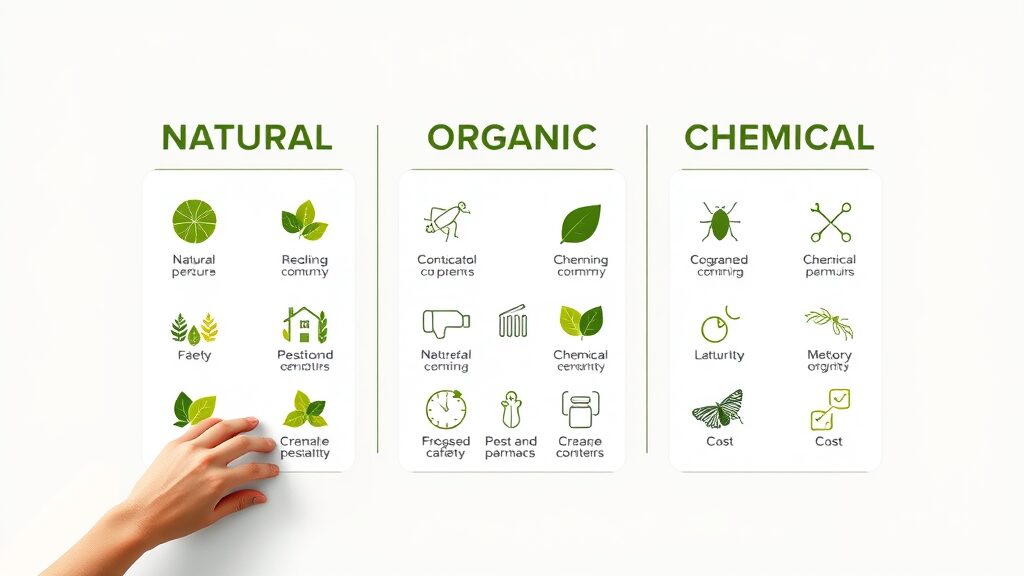
Deciding between natural pest control solutions and traditional chemical control methods can be overwhelming. Each approach offers unique benefits—but understanding the differences in effectiveness, safety, longevity, and cost is key to making the right choice for your home and family. Natural solutions, powered by organic pest deterrents and environmentally friendly ingredients, are designed to minimize risks while maximizing results. Chemical pest control, while sometimes offering quick knockdown power, may introduce long-term safety concerns and higher environmental impact. Use the following comparison to see which strategy aligns best with your needs and values for pest control management.
With rising interest in sustainable pest control services, natural and organic pest control options are now readily available and increasingly affordable. By weighing your options and learning from industry-proven results, you can choose a control solution that fits your goals—ensuring effective, lasting protection for your home.
| Solution Type | Effectiveness | Safety | Longevity | Cost |
|---|---|---|---|---|
| Natural Pest Control | High* (especially for insects and minor infestations) | Excellent (safe for children & pets) | Ongoing, depends on application | Low–Moderate |
| Organic Pest Control | High* (targeted for common pests) | Excellent | Ongoing/Seasonal | Moderate |
| Chemical Pest Control | Very High (rapid action) | Poor–Moderate (may be toxic to pets & children) | Long-lasting but with health/environmental tradeoffs | Moderate–High |
*Best results with prevention, ongoing application, and holistic pest management.
Key Differences Between Organic Pest Control and Chemical Pesticides
Organic pest control solutions revolve around plant-based ingredients, essential oils, and minerals that are non-toxic to humans and animals. In contrast, chemical pesticides rely on synthetic compounds that can linger in your environment—posing potential health risks, especially for children and pets. Chemical pesticides may swiftly eliminate stubborn infestations, but often at the cost of long-term safety and environmental harm.
Organic pest control products break down naturally, minimizing pollution and preventing chemical buildup around your home. This proactive approach protects not only your family, but also beneficial garden insects and the ecosystem. As more families prioritize natural pest control for their homes, the benefits of choosing organic over synthetic solutions become clearer than ever.
Benefits of Choosing Natural Pest Control for Insect Pest Problems
Switching to natural pest control brings a multitude of advantages. First and foremost, you can treat insect pest problems while keeping your indoor air, surfaces, and food areas free from harsh chemicals. These environmentally friendly solutions are gentle on the household but tough on pests such as bed bugs, stink bugs, flies, and cockroaches. Families experience fewer allergic reactions, less residue buildup, and greater overall peace of mind by adopting natural pest control methods.
Additionally, organic pest control supports sustainability, aligning with green living initiatives and local ecosystem protection. Many natural pest control strategies, such as exclusion methods and beneficial insects, target the root causes of pest infestations, offering long-term relief and less reliance on repeated treatments. By protecting your home and loved ones, you choose a better, healthier future.
Control Solutions for Every Home and Situation
No two households have the same pest control needs. That’s why today’s marketplace offers a wide array of natural pest control solutions—from ready-to-use sprays and powders to professional pest control services tailored to specific pests. Whether you’re battling a persistent bed bug problem, seasonal stink bugs, or simply want ongoing maintenance, there’s a safe, effective solution to fit your lifestyle and budget.
Exclusion methods, such as sealing entry points and using screens, complement organic pest management for comprehensive protection. Leading pest control service providers can help you develop custom plans to address your unique situation, ensuring you never need to compromise between safety and effectiveness.
The Science Behind Natural Pest Control Solutions
Natural pest control solutions leverage the unique properties of plant oils, minerals, and biological deterrents to target pests at every stage of life. Unlike chemical pesticides that often target entire environments, leaving residue and possible side effects, organic pesticides utilize targeted action—affecting only harmful insects and often sparing beneficial ones. These solutions can interfere with an insect pest’s nervous system, disrupt breeding cycles, or physically eliminate invaders through dehydration or suffocation.
Scientific advancements in organic pest control mean you now have access to products that combine safety, effectiveness, and convenience—ideal for modern households. By embracing the principles of integrated pest management, you can employ a holistic, science-backed approach to lasting protection.
How Organic Pesticides Target Common Household Pests
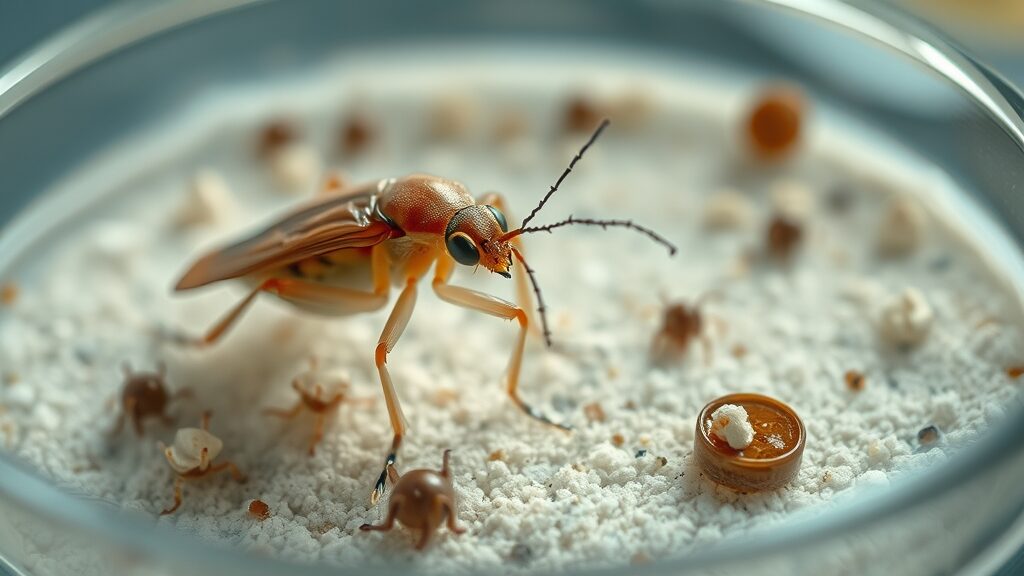
Organic pesticides, such as diatomaceous earth and neem oil, disrupt pest physiology without endangering household health. For example, diatomaceous earth has microscopic, jagged particles that penetrate the waxy exoskeleton of bed bugs and other insect pests, causing dehydration and eventual death—without any toxic residue. Similarly, plant oils like peppermint, tea tree, and citronella interfere with insects’ neurotransmitters, masking attractant scents or repelling pests from your home entirely.
Other natural remedies—like boric acid and vinegar traps—target pests’ breeding or feeding behaviors, providing multi-layered defense against infestations. Scientific studies support the efficacy of these organic pest control options for managing bed bugs, stink bugs, ants, and more. By understanding how these natural pest control solutions work at the microscopic level, you make informed decisions for a safer, pest-free home.
Natural Pest Repellents: Essential Oils, Diatomaceous Earth, and More
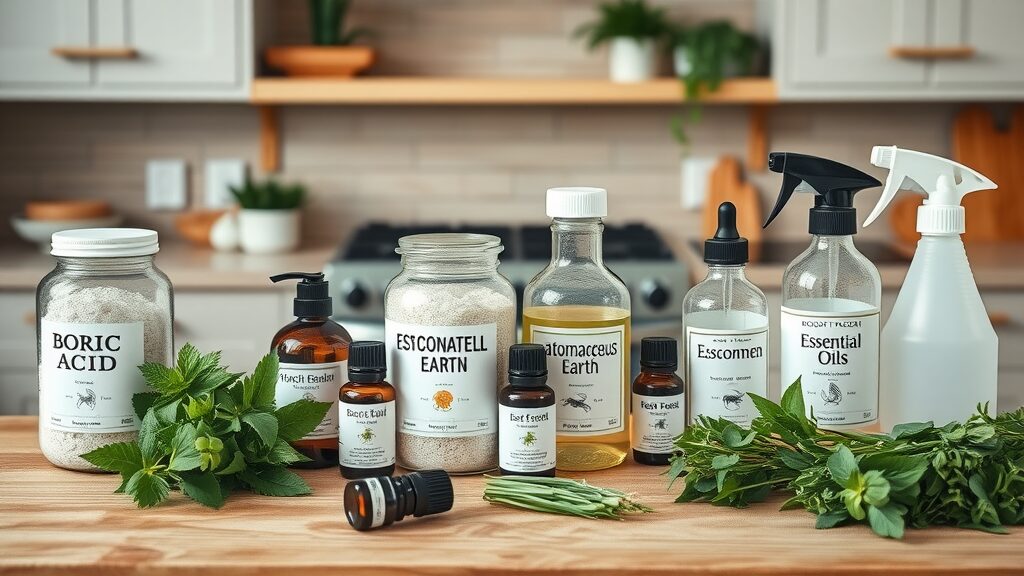
Natural repellents form the cornerstone of effective home pest management. Essential oils—such as peppermint, eucalyptus, and lemon—emit scents that overwhelm and disorient insect pests, driving them away from living spaces. These plant-derived solutions, easily mixed with a spray bottle and liter of water, provide ongoing protection without creating chemical hazards. Diatomaceous earth, a fine mineral powder, can be spread in cracks and entryways to act as a physical barrier against ants, bed bugs, and cockroaches.
Other powerful natural pest control options include vinegar traps for fruit flies, boric acid for ants and roaches, and soap sprays that break down the protective coatings on soft-bodied pests. Many homeowners find these affordable, accessible methods deliver immediate and long-term insect pest management—solidifying their reputation as effective natural pest control solutions for everyday use.
Integrated Pest Management: A Holistic Approach
Integrated pest management (IPM) is a science-backed philosophy that combines prevention, monitoring, and targeted treatments for sustainable results. Rather than relying on a single control solution, IPM blends natural pest control methods, exclusion, and physical removal to break pest life cycles and prevent reinfestation. Homeowners who embrace IPM enjoy proactive protection: regular inspections, sealing entry points, and using organic pesticides only as needed.
This comprehensive method not only reduces reliance on chemical pesticides but also enhances the effectiveness of every action taken. By adopting IPM, families enjoy a pest-free home while promoting health, environmental stewardship, and lasting peace of mind.
Picking the Right Natural Pest Control Solution for Your Home
The journey to choosing the best natural pest control solution for your home starts with a thorough assessment of your specific situation. Understanding the type of pest problem, the areas affected, and your household’s unique health concerns allows you to select the most suitable methods and products. Whether facing a minor nuisance or a major infestation of bed bugs or stink bugs, having a plan—tailored to your home—ensures optimal results from natural pest control services and DIY approaches alike.
Consulting with a local pest control service provider experienced in organic and natural approaches also streamlines your path to effective, safe solutions. By partnering with experts, you gain access to professional insight, advanced products, and peace of mind—knowing your home is protected the right way.
Assessing Your Unique Pest Problem
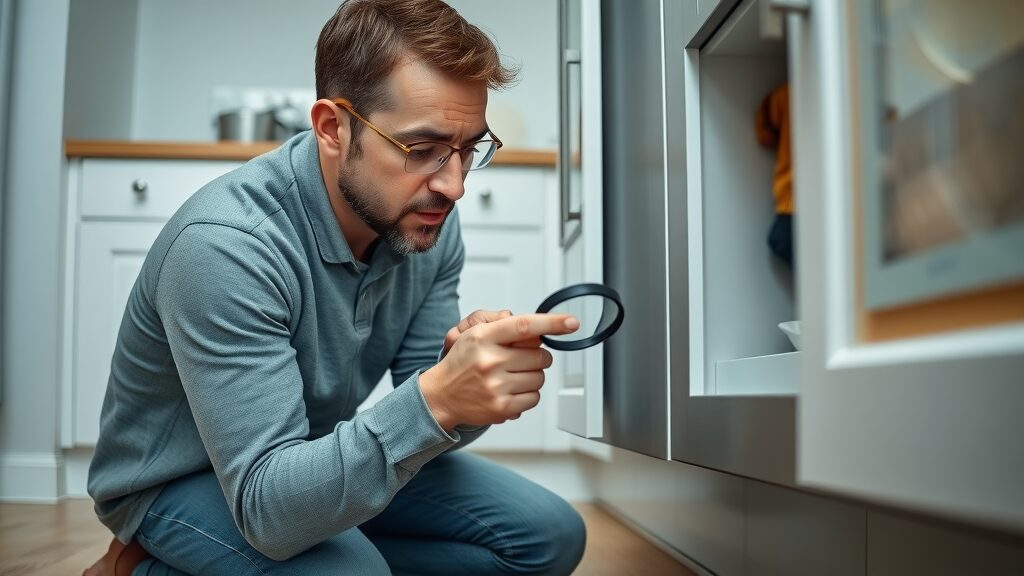
Every household faces different pest problems—from the occasional ant trail to persistent bed bug infestations. Start by identifying the type and extent of the pest issue. Inspect common trouble spots, such as kitchen cabinets, baseboards, windows, and entry points, for signs like droppings, eggs, or live insects. Understanding whether you have an isolated incident or a seasonal invasion will help you choose between DIY natural pest control and professional pest control services.
Once you know your enemy, research proven control solutions tailored to the pest at hand. For example, stink bugs may require exclusion methods and essential oil sprays, while bed bugs often demand a combination of heat treatments, vacuuming, and diatomaceous earth. Assessing your needs ensures a targeted, effective response and a pest-free living environment.
Natural Pest Control Solutions for Stink Bugs, Bed Bugs, and Other Insect Pests
Looking for targeted natural pest control solutions for specific pests? Start with these examples:
- Stink bugs: Deter with peppermint or eucalyptus oil sprays, use physical exclusion (window screens, door seals), and remove by vacuuming. These pests are sensitive to strong scents and often enter in the fall.
- Bed bugs: Apply diatomaceous earth to baseboards and mattress seams, vacuum thoroughly, and use heat treatments. Essential oil sprays can also disrupt bed bug activity but may not be sufficient for larger infestations.
- Ants and cockroaches: Place boric acid or food-grade diatomaceous earth along cracks, use vinegar traps, and maintain strict cleanliness in kitchens and bathrooms.
Remember that some pest infestations, especially bed bugs or severe stink bug invasions, are easier to manage with help from an experienced pest control service. Don’t hesitate to consult local professionals for complex or recurring pest issues.
When to Call a Professional Pest Control Service
DIY methods are highly effective for minor and moderate pest problems, but there are times when only professional pest control services can deliver the results you need. If you face ongoing infestations, repeated reappearances of bed bugs or stink bugs, or a mystery pest you can’t identify, it’s best to call a certified expert in natural pest control.
Professional pest control service providers offer access to advanced organic pesticides, exclusion tactics, and monitoring systems. Their experience ensures swift, safe, and lasting relief—especially valuable for families who prioritize natural solutions, peace of mind, and health. Don’t let pests take over—reach out early for expert help!
Top 10 Natural Pest Control Solutions Every Homeowner Should Try
- Neem Oil: Plant-derived oil that disrupts pest breeding and feeding cycles.
- Boric Acid: Effective against ants and cockroaches.
- Peppermint Oil Spray: Repels a wide range of insect pests.
- Diatomaceous Earth (Food Grade): Physically dehydrates common pests such as bed bugs and ants.
- Vinegar Traps: Attract and drown fruit flies and gnats.
- Essential Oil Blends: Lemongrass, eucalyptus, and clove oil repel various bugs.
- Soap Sprays: Break down protective coatings on soft-bodied insects.
- Exclusion Methods: Seal cracks, install door sweeps, and use window screens to keep pests out.
- Beneficial Insects: Ladybugs and lacewings naturally control aphids and other garden pests.
- Bay Leaves & Fresh Herbs: Naturally deter pantry pests and flies.
DIY Organic Pest Control: Step-by-Step Solutions
If you enjoy hands-on approaches, DIY organic pest control is a safe, effective way to begin protecting your home. By creating your own sprays and remedies from natural ingredients, you avoid hazardous chemicals and empower yourself to respond quickly to pest invasions. Homemade solutions such as vinegar, essential oil sprays, and diatomaceous earth powders work well for many household pests. These methods combine simplicity, cost-effectiveness, and proven results—making them user-friendly for every homeowner.
When tackling a pest problem on your own, always follow instructions for dilution and application. Apply natural pest control solutions to affected areas regularly, and monitor results over time. For best protection, combine natural remedies with thorough cleaning, decluttering, and sealing entry points for a multi-layered response.
Creating Safe and Simple Organic Pesticides at Home
It’s surprisingly easy to make powerful organic pesticide sprays with ingredients from your pantry. For example, peppermint oil mixed with water in a spray bottle, or a mild soap solution, can deter ants and flies. To make an all-purpose spray: fill a liter of water, add 10–15 drops of essential oil (such as peppermint or eucalyptus), plus a few drops of Castile soap. Shake well and mist entry points, baseboards, and cupboard corners. For tougher pests, create a boric acid powder trap by mixing equal parts sugar and boric acid, and place in pest-prone areas (away from pets and children).
Diatomaceous earth (food grade) is another excellent tool: dust lightly around windows, beneath sinks, and behind appliances to keep crawling insects away. With a few household staples and clear guidance, you can take control of pests naturally, safely, and effectively.
Effective Organic Pest Control Products for Quick Results
For immediate relief, many ready-to-use organic pest control sprays, powders, and pellets are available at local stores and online. Look for products containing neem oil, pyrethrin (from chrysanthemum flowers), or blends of essential oils. These formulas are rigorously tested for effectiveness and safety—ideal for treating sudden stink bug invasions, bed bug sightings, or seasonal ant trails. Remember to follow label instructions and reapply as directed for ongoing protection.
“The best natural pest control solution is one that eliminates the problem while protecting your family, pets, and the environment.” – Local Expert
Natural Pest Control Services: What to Expect
Opting for professional natural pest control services is a smart move for homeowners seeking guaranteed results with minimal effort. Today’s pest control service providers use safe, targeted organic pesticides and advanced monitoring to root out pest problems quickly and safely. You can expect a seamless process, clear communication, and custom treatment plans that prioritize your family’s health while delivering long-lasting peace of mind.
Many companies now offer inspections, green certifications, and organic pest control guarantees. These industry advancements ensure families never need to sacrifice safety for effectiveness when choosing a professional control solution.
Finding Verified Natural Pest Control Service Providers
Quality matters when selecting a pest control service provider committed to natural methods. Look for companies with third-party green certifications, positive local reviews, and clear communication about their choice of organic pesticides and practices. Ask if their technicians are trained in eco-friendly methodologies, and be sure to request ingredients lists for their solutions—transparency is a must for peace of mind.
Check whether the company provides ongoing maintenance plans, education about prevention, and clear resources for follow-up support. A reputable natural pest control service will happily answer your questions and tailor their approach to your specific needs and concerns.
What Does an Organic Pest Control Consultation Include?
During an initial consultation, expect a thorough inspection of your home to identify pest entry points, infestation levels, and environmental factors. The technician will explain available organic pest control options, create a step-by-step plan, and provide guidance on prevention measures. You’ll receive tips on housekeeping, exclusion methods, and scheduling of follow-up visits as needed.
Consultations often conclude with written estimates and explanations of ingredients and application procedures. This transparency ensures you can make informed decisions about your pest control solutions and gain confidence in your chosen provider.
Typical Costs for Professional Natural Pest Control Services
Natural pest control services are competitively priced with traditional treatments—and often even more cost-effective in the long run due to reduced need for follow-up and safer living conditions. While prices vary by home size, pest type, and severity, expect to pay between $100–$300 for initial treatments and $40–$75 per month for ongoing protection. Remember, investing in professional organic pest control ensures the safety and health of your family, making it a smart, long-term solution for any household.
Bundled services or seasonal plans may reduce costs, offering additional value to homeowners who prioritize natural pest control and ongoing peace of mind.
Key Takeaways: Natural Pest Control Solutions
- Natural pest control solutions are effective and safer than chemicals.
- Professional pest control services now offer organic pest management.
- Eco-friendly pest control maintains home safety and peace of mind.
People Also Ask: Natural Pest Control Solutions
What is the best natural pest repellent?
The best natural pest repellent depends on your specific pest issue, but peppermint oil spray is widely regarded as an effective, versatile solution for a variety of bugs, including ants, spiders, and mosquitoes. Combine a few drops of peppermint oil with water in a spray bottle, then mist entry points, windowsills, and corners. This approach is safe for people, pets, and the environment, making it a top choice among homeowners and professional pest control services alike.
Are there any natural remedies for pest control?
Yes, many natural remedies provide safe, effective pest management without chemicals. Examples include boric acid for ants and cockroaches, diatomaceous earth for bed bugs and fleas, and vinegar traps for fruit flies. Soap sprays break down pests’ protective layers, while exclusion methods—like installing door sweeps and using mesh screens—prevent pests from entering. By combining these solutions, you can tackle most minor and moderate infestations safely and affordably at home.
How to naturally get rid of bugs in your house?
To naturally rid your home of bugs, start by maintaining cleanliness: eliminate crumbs and standing water, and keep clutter to a minimum. Seal cracks and entry points. Next, use natural repellents like essential oil sprays (peppermint, tea tree, or eucalyptus), set vinegar traps for flying insects, and apply diatomaceous earth in affected areas. For additional control, try homemade solutions in a spray bottle and monitor results regularly. For recurring or severe infestations, consult a local, natural pest control service provider.
What is the holistic approach to pest control?
The holistic approach—known as integrated pest management (IPM)—combines prevention, monitoring, and targeted treatment methods to manage pests safely and sustainably. IPM prioritizes natural pest control solutions, exclusion tactics, and environmental adjustments to keep pest populations in check with minimal chemical use. This strategy delivers peace of mind and effective, lasting protection for your home and loved ones.
Frequently Asked Questions: Natural Pest Control Solutions
- Are natural pest control solutions safe for children and pets?
Yes. Most natural pest control products use plant oils, minerals, or naturally derived substances considered non-toxic for children and pets. Always check product labels and keep certain powders (like boric acid) out of direct reach. - How often should I apply organic pest control products?
Application frequency varies—some solutions (like essential oil sprays) may need daily or weekly renewal, while powders and exclusion methods offer longer-lasting protection. Follow all usage instructions for each product or consult your service provider. - Can natural pest control handle severe infestations or just prevention?
Natural pest control solutions are excellent for regular prevention and many common infestations. For severe or persistent issues, especially with bed bugs or stink bugs, partnering with a professional pest control service is recommended. - Will natural pest control replace the need for chemical pesticides?
For most homes and everyday pests, natural solutions can fully replace chemical pesticides. However, in rare, extreme cases, targeted chemical intervention may be necessary—but always use as a last resort.
Conclusion: Embrace Safer, Effective Natural Pest Control Solutions
Enjoy a pest-free home the healthier way—choose natural pest control solutions for powerful results, family safety, and peace of mind.
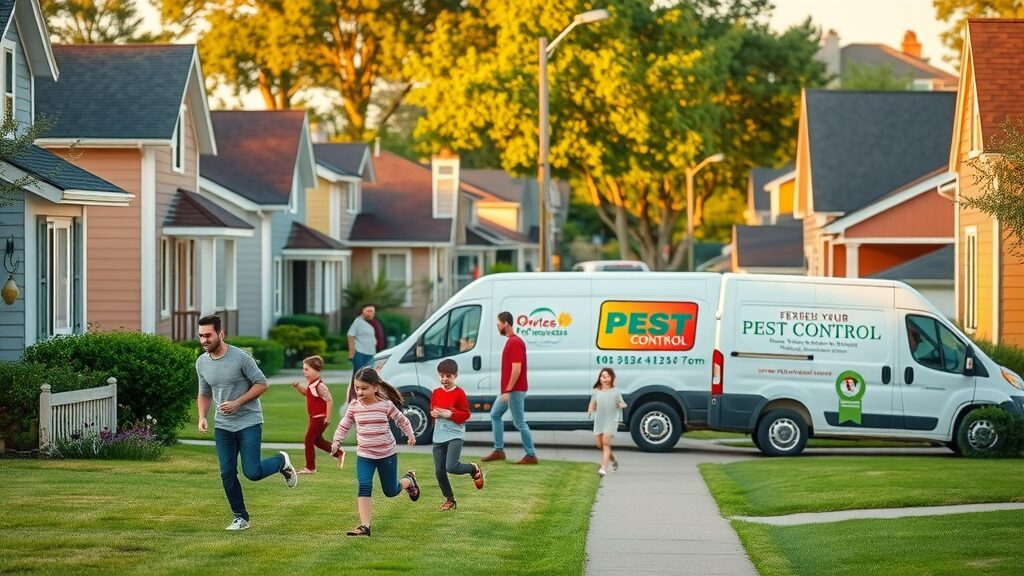
Ready for Pest-Free Living With Natural Pest Control Solutions?
Local Business In the Eustis Area? Reach out to us to advertise and reach thousands of local home owners!