


How to Choose Sustainable Materials for Home Improvements in Eustis
As awareness of environmental issues grows, more homeowners in Eustis are seeking sustainable solutions for their home improvement projects. Selecting eco-friendly materials not only contributes to a healthier environment but can also enhance the comfort and efficiency of your home. This guide will walk you through the process of choosing sustainable materials, offering practical tips and insights tailored to the Eustis area.
Understanding Sustainability in Home Improvements
Sustainability in home improvements refers to using materials and practices that minimize negative environmental impacts. This can involve selecting materials that are renewable, recycled, or locally sourced, as well as those that promote energy efficiency and reduce waste. The goal is to create a home that is not only beautiful and functional but also kind to our planet.
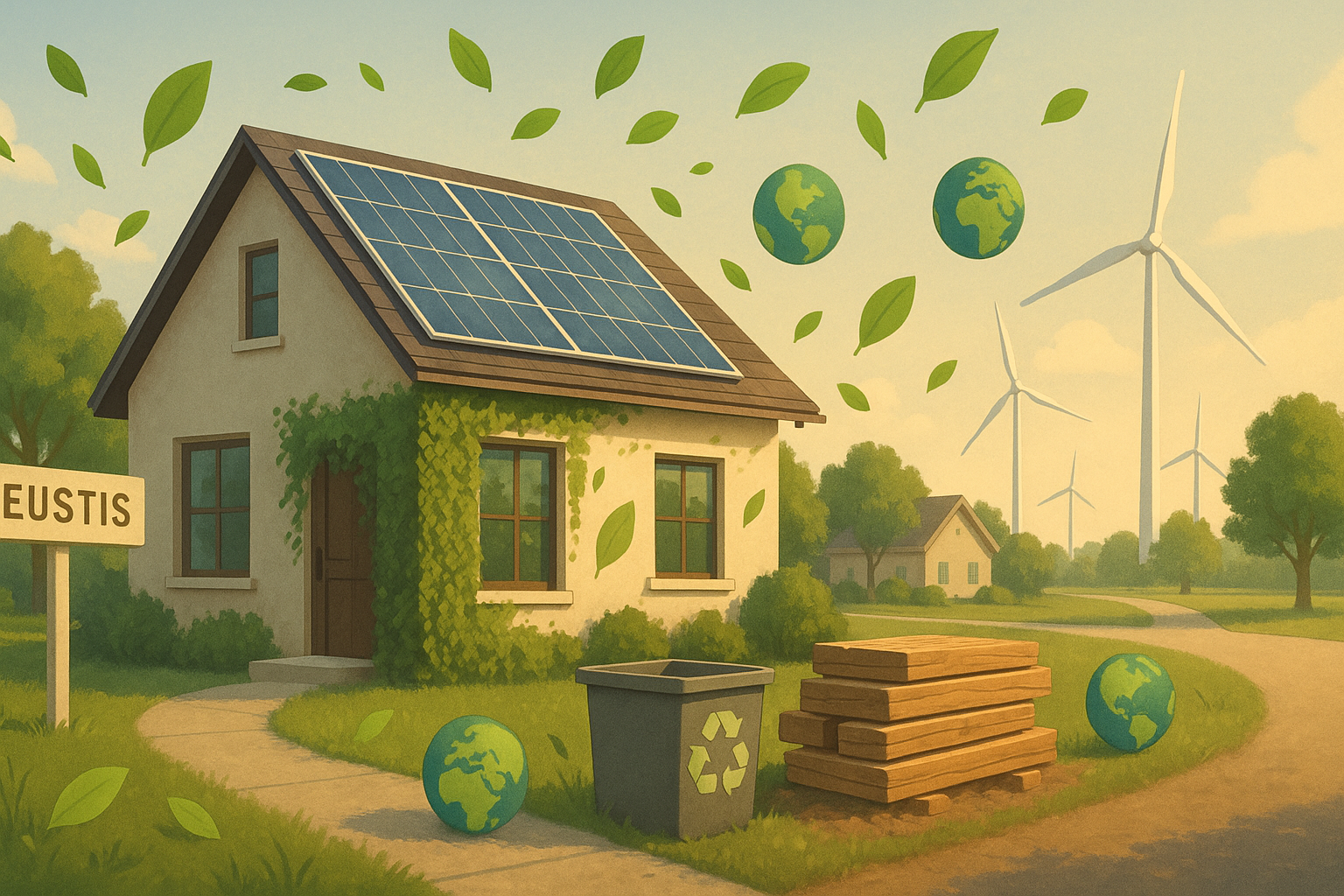
Key Considerations for Choosing Sustainable Materials
1. Prioritize Renewable Resources
When selecting materials, consider those made from renewable resources. Bamboo, for instance, is an excellent choice for flooring and cabinetry due to its rapid growth and minimal environmental footprint. Cork is another great option, known for its durability and insulation properties.

2. Opt for Recycled and Reclaimed Materials
Materials crafted from recycled content reduce the demand for new resources and minimize waste. Recycled metal, glass, and plastic products are widely available and offer the same quality and performance as their non-recycled counterparts. Reclaimed wood is another popular choice, providing a rustic charm while preserving forests.
3. Choose Locally Sourced Products
Buying locally sourced materials not only supports the local economy but also reduces the carbon emissions associated with transportation. Look for materials produced within a 500-mile radius of Eustis to ensure they are contributing to local sustainability efforts.
4. Evaluate the Durability and Lifespan of Materials
Durability is a critical aspect of sustainability. Materials that last longer reduce the need for frequent replacements, thereby conserving resources. Stone, metal roofing, and fiber cement siding are known for their longevity and can withstand Eustis’s climate conditions effectively.
5. Consider Energy Efficiency
Beyond the materials themselves, consider how they contribute to your home’s energy efficiency. Insulating materials, such as cellulose or sheep’s wool, can significantly reduce heating and cooling costs. Double-glazed windows and energy-efficient appliances are additional investments that pay off in the long term.
Practical Tips for Sustainable Home Improvement in Eustis
Implementing sustainable practices in your home improvement projects can be straightforward with the right approach:
Research and Plan
Start by researching the latest sustainable building practices and materials. Create a plan that incorporates eco-friendly options and aligns with your budget. Consulting with local contractors who specialize in green building can provide valuable insights and recommendations.
Visit Local Suppliers
Engage with local suppliers and artisans who offer sustainable products. Visiting local markets and stores can give you hands-on experience with materials, helping you make informed decisions.
Leverage Tax Incentives and Rebates
Explore government incentives and rebates for sustainable home improvements. These programs can offset some of the costs associated with eco-friendly upgrades, making sustainability a more affordable choice.
Conclusion: Building a Greener Future
Choosing sustainable materials for home improvements in Eustis is a rewarding endeavor that benefits both the environment and your living space. By prioritizing renewable resources, recycled materials, and energy efficiency, you can create a home that reflects your commitment to sustainability. With thoughtful planning and resourceful strategies, your home improvement project can contribute to a greener future for Eustis and beyond.
Frequently Asked Questions
What are the most sustainable materials for home flooring?
Cork, bamboo, and reclaimed wood are among the most sustainable flooring options. They are renewable, durable, and aesthetically pleasing.
How can I ensure the materials I choose are truly sustainable?
Look for certifications such as FSC (Forest Stewardship Council) for wood products, and ENERGY STAR for appliances. These labels indicate compliance with recognized sustainability standards.
Are sustainable materials more expensive?
While some sustainable materials may have higher upfront costs, they often lead to savings in energy bills and maintenance over time. Additionally, tax incentives can help reduce the financial burden.
Can sustainable home improvements increase property value?
Yes, eco-friendly upgrades can enhance property value by improving energy efficiency and appealing to environmentally conscious buyers.