


Did you know that each year, thousands of preventable garage accidents result in costly repairs, insurance claims, and stress for homeowners? A single incident—a car scraping a closing door, a child’s bike caught in the path, or a package left unseen—can cause both financial and emotional upheaval. Yet, many of these unfortunate events share one thing in common: they could have been avoided with the right automatic door sensor technology. This article dives into how modern automatic door sensors are reshaping garage safety, slashing accident risks, and delivering crucial peace of mind for families and property owners.
A Startling Look at Garage Accidents: Why Automatic Door Sensors Matter
“Each year, thousands of preventable garage incidents result in substantial property damages—an issue that automatic door sensors are specifically engineered to combat.”

When it comes to garage safety, complacency can be costly. Nearly every homeowner knows a neighbor or friend who has experienced a garage door open mishap—whether it’s a vehicle damaged by a premature closure or a door left ajar, making garages targets for theft. The root cause in many cases? Outdated or absent door sensors that fail to detect motion, presence, or objects in the path of the closing mechanism. Modern automatic door sensors are designed specifically to combat these issues, employing sophisticated motion sensor and presence sensor technology to significantly lower the risk of such incidents. The latest door systems use these sensors not just to provide safe, efficient entry and exit, but as a crucial defense against property damage, injury, and unauthorized access.
With technology evolving rapidly, it’s more important than ever to understand exactly how automatic door sensors work and what features they offer. This knowledge equips homeowners to make fact-based choices and ensures that your investment yields both safety and long-term peace of mind. From compatibility with swing doors and sliding doors to their integration within comprehensive entry system setups, the right sensor can mark the difference between a close call and a disaster averted.
What You’ll Learn About Automatic Door Sensors
- How automatic door sensors operate and prevent accidents
- Key features and technologies available in modern door sensor systems
- Benefits, costs, and limitations of automatic door sensors
- How to choose and maintain your automatic door sensor for garage safety
Understanding Automatic Door Sensors: Features, Technology, and Performance
What Are Automatic Door Sensors?
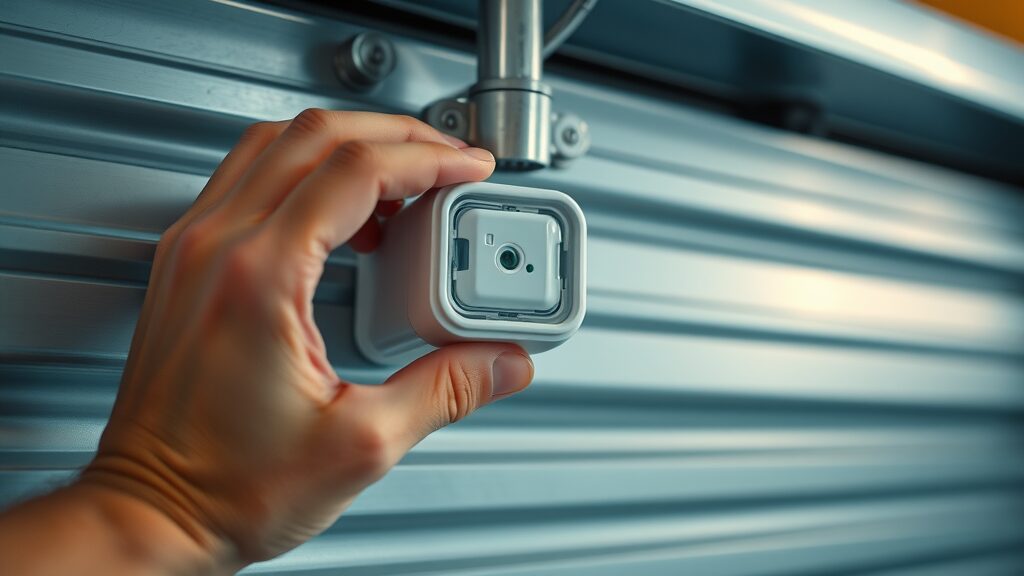
Automatic door sensors are intelligent devices designed to detect motion, presence, and potential obstructions near garage and entry doors. Unlike traditional manual controls, these door sensors use advanced technologies—such as passive infrared, microwave sensor detection, and active infrared—to instantly determine when it’s safe to open or close a door. Integrated into modern door systems, they add an essential layer of accident prevention, even for everyday activities such as entering or exiting a garage.
The standout benefit of the automatic door sensor is its ability to “see” beyond human perception. Whether preventing a premature door open event as a car approaches or stopping the door from descending on a child’s toy left in the detection area, these systems protect lives, property, and offer crucial convenience. Their adaptability allows installation in swing door, sliding door, and even custom entry system arrangements, making them a universal solution for residential and commercial garage safety.
How Do Motion Sensors and Presence Sensors Work in Automatic Door Systems?
Motion and presence sensors are the cornerstone of smart garage safety. A motion sensor quickly detects movement within a set detection area using infrared technology, while a presence sensor stays alert for static objects—a child’s bike or package left near the closing zone. These sensors work together seamlessly, feeding information to the garage’s door control unit, which automatically manages the opening and closing process for maximum safety.
This dual-sensor configuration leverages both passive infrared (PIR) and active infrared technology. For example, when a vehicle approaches, the PIR element triggers the door to open without requiring a remote control or physical contact, minimizing distraction and human error. When a person steps into the doorway, the presence detection system ensures that the door won’t close until the area is clear, mitigating the risk of property damage or injury. These innovations make today’s automatic door systems vastly superior to their manual predecessors, offering homeowners dependable, consistent protection.
Key Components: From Passive Infrared to Safety Sensors
The efficiency and reliability of an automatic door sensor stem from its internal components. The most prevalent include passive infrared sensors, which detect heat signatures and motion; active infrared sensors, which use beams to sense disruptions; and specialized safety sensors that monitor both movement and stagnation within the door’s trajectory. Some systems incorporate microwave sensors for larger detection areas and improved immunity to interference.
For example, safety sensors mounted near the floor use active beams to halt the automatic doors if an object, animal, or person is in the way, while supplementary motion and presence sensors higher up expand coverage for taller vehicles or gear. Modern door operator units can synchronize with these sensors, ensuring not just accident prevention but also silent, efficient door system operation. Such multifaceted capabilities elevate automatic door sensors from simple accessories to indispensable safety tools in every well-equipped garage.
Preventing Accidents: The Core Safety Benefits of Automatic Door Sensors
Real-World Scenarios: How Automatic Door Sensors Prevent Door Open Incidents
Imagine approaching your garage on a rainy day, arms full of groceries. With a modern automatic door system, the embedded motion sensors detect your presence and seamlessly open the door—no fumbling with keys or remote control. As you step inside, safety sensors scan for movement and objects near the threshold, ensuring the door won’t close if a child or pet wanders into the area. These small moments add up: each is an avoided accident or injury, directly attributed to the advanced detection provided by integrated door sensors.
This technology also helps prevent accidental door open incidents—like when a door is unintentionally left ajar, exposing your belongings to theft or damage. Continuous presence detection alerts the operator to lingering objects or people in the garage, stopping the closure process until all is clear. In commercial settings, such features reduce liability and protect a broader range of assets, reinforcing the value of investing in a comprehensive door system equipped with advanced sensors.
Automatic Door Sensors and Motion Detection Technology for Garage Doors

Advanced motion sensor technology is critical for the safe operation of automatic doors in homes and businesses. By continuously scanning the detection area, these sensors ensure that the garage door responds only to legitimate movement—ignoring environmental triggers like wind or pets, while instantly reacting to people or vehicles. Many door sensor systems allow homeowners to configure sensitivity levels, making them ideal for busy households or garages that double as high-traffic storage spaces.
The combination of motion and presence sensors is essential for layered security. When synchronized with a smart door system, these sensors can even send notifications to your phone or home security platform, offering an extra layer of reassurance. This capability empowers homeowners to intervene if an unusual door open event occurs, or to remotely verify that the garage is secure. Ultimately, these innovations not only prevent accidents but also bring modern convenience and centralized oversight to garage safety.
Swing Door, Sliding Door, and Sensor Compatibility in Door Systems
The true strength of modern automatic door sensor solutions lies in their adaptability. Whether your property has swing doors, sliding doors, or a hybrid door system, today’s sensors are engineered for compatibility and seamless integration. Swing doors often benefit from presence sensors that account for arc movement, while sliding door mechanisms leverage a mix of motion sensor and edge safety technology for the smooth, safe opening and closing of entryways.
In multi-functional garages or those with custom setups, choosing a versatile automatic door sensor is essential. Leading systems support both active and passive infrared coverage, extended detection areas, and easy linking to access controls or smart home features. Assessing compatibility upfront ensures your investment will provide safe, reliable, and maintenance-friendly operation for years to come—no matter the type of door system installed in your home or business.
| Door System Type | Compatible Sensors | Motion Detection | Presence Detection | Passive Infrared | Safety Sensors |
|---|---|---|---|---|---|
| Swing Door | Motion, Presence, Passive Infrared | ✔ | ✔ | ✔ | ✔ |
| Sliding Door | Motion, Edge Safety, Active Infrared | ✔ | ✔ | ✔ | ✔ |
| Roll-up/Garage Door | Motion, Presence, Microwave, Safety Sensors | ✔ | ✔ | ✔ | ✔ |
Cost-Benefit Analysis: Are Automatic Door Sensors Worth the Investment?
Comparing Price Points: Automatic Door, Motion Sensors, and Full Entry Systems
The cost of installing an automatic door sensor system can range from $200 to $1,500, depending on the sophistication of the sensors, the number of detection zones, and smart features such as remote control or smartphone integration. Basic motion sensor sets for a single-door operation sit at the lower end of the range, while more comprehensive door system packages—incorporating advanced safety sensors and multi-door compatibility—approach the higher end. When stacked against the average cost of a garage accident, which can swiftly exceed $1,000 in repairs alone, the investment in quality door sensors often pays for itself after a single avoided incident.
Not only do these sensors protect against direct repair bills, but they also shield homeowners from higher insurance deductibles and the long-term financial pain of premium hikes due to claims. Factoring in convenience, time savings, and the value of safeguarding family and property, a feature-rich automatic door sensor system provides return on investment beyond just the monetary aspect.
Calculating Potential Savings from Avoided Accidents

Let’s break down the numbers: a single repair to a bent garage door panel can cost $250–$600, while replacing a damaged sensor itself often costs much less. Avoiding only one major incident—such as a door open collision with a vehicle or person—can offset the full price of a sensor upgrade. Insurance savings further sweeten the deal; some providers offer discounts for homes with upgraded security and automatic door systems.
Long-term, motion sensor and safety sensors add value by reducing wear and tear on your door mechanism, as optimized usage results in less frequent opening and closing. Fewer breakdowns mean lower maintenance costs and longer equipment life. Homeowners who install smart door sensors often report fewer service calls and greater overall satisfaction—a testament to the enduring ROI of enhanced garage safety.
Expert Insights: Top Features to Look for in Automatic Door Sensors
- Advanced safety sensor options – Ensure detection of both objects and people, minimizing false triggers for enhanced reliability.
- Compatibility with existing door systems – Supports installation with swing, sliding, and roll-up garage doors out of the box.
- Smart integration and remote monitoring – Works with home automation, allowing you to monitor and control your door system via phone or smart hub.
- Reliability and durability of motion and presence sensors – Look for weatherproof, tamper-resistant designs to withstand harsh garage environments.
“Choosing the right automatic door sensor not only safeguards your property, but it also represents a smart long-term financial decision.”

Installation, Maintenance, and DIY vs. Professional Setup of Automatic Door Sensors
Understanding the Installation Process for Motion Sensors and Safety Sensors
While many automatic door sensors are designed for user-friendly installation, the process typically involves mounting the sensors at precise heights, aligning detection beams, and wiring them to the door operator. For basic motion sensor upgrades, a DIYer with some electrical know-how can often handle the installation. Instructions guide you through attaching the sensor brackets to the door frame, plugging wiring into the door control system, and performing a series of door open/close tests to confirm correct alignment and sensitivity.
However, for more complex systems—especially those supporting multiple door systems, integration with remote control technology, or advanced presence detection features—it’s wise to consider professional installation. Certified installers ensure that all safety and regulatory standards are met, providing peace of mind that your investment is protected and optimized for your garage’s unique layout.
Troubleshooting Common Automatic Door Sensor Issues
Even the best automatic door sensors may occasionally require troubleshooting. Common issues include the door failing to open or close properly, false positives triggered by pets or weather, or sensor misalignment causing the door system to remain stuck. Start by inspecting the wiring, cleaning the sensor lenses, and checking the alignment per the manufacturer’s guidelines. In most cases, resolving debris, adjusting sensitivity, or performing a sensor reset can quickly restore normal operation.
If persistent problems arise—such as frequent false triggers, slow response times, or sensor error lights—it may indicate aging hardware or environmental interference (like direct sunlight on infrared sensor beams). Upgrading to newer, more robust models or relocating sensors within the garage often solves these challenges. Don’t hesitate to consult professional support if your door operator or sensors display unexplained behavior.
People Also Ask: Automatic Door Sensors
What sensor is used in automatic doors?
Automatic door sensors typically utilize technologies such as passive infrared sensors, microwave motion sensors, and advanced presence sensors to detect motion and ensure the door opens safely for authorized entry or vehicle movement.
How do you reset an automatic door sensor?
Resetting an automatic door sensor generally involves powering down the door system, adjusting the sensor’s alignment, and then reactivating the unit. Refer to manufacturer guidelines for specific reset instructions.
How much does it cost to automate a door?
The cost to install automatic door sensors and systems varies by sensor type and features but typically ranges from $200 to $1,500 for residential garage doors, depending on technology and installation complexity.
What are the disadvantages of door sensors?
Potential disadvantages include false triggers due to pets or weather, occasional calibration needs, and higher upfront costs compared to manual systems.
FAQs: Automatic Door Sensors and Garage Safety
- Do automatic door sensors work with all types of garage doors? Yes, most modern sensors are compatible with swing, sliding, and roll-up door systems, but always check your door operator’s requirements.
- How long do automatic door sensors last? High-quality sensors can last 7–10 years or more with proper maintenance and occasional cleaning.
- Can you install safety sensors on older door systems? In many cases, yes—universal retrofit kits allow most standard garage doors to benefit from modern safety and motion sensor technology.
Key Takeaways: Maximizing Safety with Automatic Door Sensors
- Automatic door sensors provide an essential layer of safety and accident prevention for garages.
- Motion sensor and safety sensor technology has advanced for higher reliability.
- Investment in door systems with smart sensors yields long-term value in both cost savings and peace of mind.
- Proper installation and maintenance are critical for reliable operation of automatic door sensor systems.

Conclusion: Why Automatic Door Sensors Are a Smart Investment for Garage Safety
Investing in automatic door sensors means investing in your family’s safety, your property’s security, and your own peace of mind.
Take the Next Step: Enhance Your Garage Safety with Automatic Door Sensors
Ready to transform your garage into a safe, smart, and accident-free space? Explore top-rated automatic door sensor systems, consult local professionals for installation, and ensure your home remains safe from both accidents and intruders. Don’t wait for a costly garage mishap—take preventive action today!