


Did you know that cooling eats up nearly 40% of a typical Florida home’s electricity—over three times what the national average family spends? The scorching sun and high humidity make efficient air conditioning not just a luxury, but a must-have—and Florida families are discovering smarter, more energy saving air systems like never before. In this comprehensive guide, you’ll unlock everything you need to know about efficient HVAC systems for Florida’s climate—from jaw-dropping industry stats to practical strategies that bring cool comfort and big savings home.
Unveiling Energy Saving Air Systems Florida: Surprising Statistics & Growing Demand
- Explore the sharp rise in demand for energy saving air systems in Florida: Over the past five years, Florida residents have rapidly adopted high-efficiency air conditioners and heat pumps to battle the relentless heat, with demand surging by more than 30% statewide.
- Eye-opening data on energy consumption by air conditioners in Florida homes: The average Florida home spends nearly 40% of its electricity on cooling—this translates to much higher energy bills compared to most states and places greater importance on choosing the right ac system for long-term savings.

“Cooling accounts for nearly 40% of the average Florida household’s electricity use—more than three times the national average.” – Florida Department of Energy
What You’ll Learn About Energy Saving Air Systems Florida
- What makes energy saving air systems Florida-specific
- Key types of efficient air conditioners and HVAC systems
- Benefits of advanced energy efficiency for homeowners
- Installation, maintenance, and local service options
- How to compare SEER ratings and maximize energy savings
Understanding Energy Efficiency: Key Concepts and Benefits for Florida Homes
How Energy Efficiency Impacts Your Energy Bill and Comfort
- The link between energy efficient air conditioners and reduced energy bills: Energy efficiency isn’t just a buzzword—it’s the gateway to lower monthly costs in Florida homes. Upgrading to an energy saving air system, like a high-SEER air conditioner, can drastically reduce your energy bill by using less electricity to provide the same or better comfort. Modern efficient HVAC systems offer advanced features, such as variable-speed compressors and smart thermostats, that align perfectly with Florida’s high cooling demands. Homeowners switching to Energy Star certified and efficient HVAC systems regularly see energy bills drop by 20–40%—a major advantage when running air conditioners nearly year-round.
- Why efficient air and efficient HVAC matters in Florida’s climate: Florida’s heat and humidity can overwhelm older ac systems, leading to high utility bills, insufficient cooling, and stress on the environment. Efficient air systems are specifically engineered for harsh climates like Florida’s, controlling temperature and humidity levels while maintaining excellent indoor air quality. By maintaining lower utility bills and more consistent comfort, energy saving air systems Florida homeowners adopt help provide the best living environment no matter how hot it gets outside.

Types of Energy Saving Air Systems Florida Homeowners Choose
Air Conditioners vs. Heat Pumps: Which Is Right for Florida’s Heat?
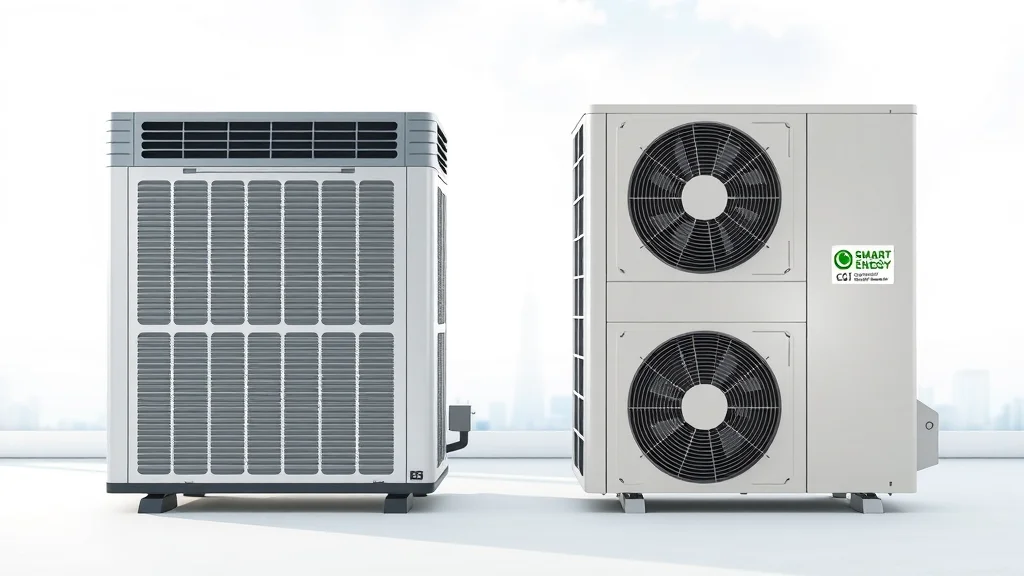
When Florida homeowners search for the best way to keep cool, the main contenders are high-efficiency air conditioners and modern heat pumps. Both systems deliver reliable comfort, but they serve unique purposes. Traditional air conditioners focus on cooling only, relying on the SEER rating to indicate their efficiency. Heat pumps, on the other hand, are dual-purpose, offering both cooling and heating—ideal for those cooler winter nights without requiring a separate heating and cooling system. Heat pumps are highly effective in warm climates and often offer even lower energy consumption during off-peak conditions compared with older ac systems. Factors like initial installation cost, energy bill estimates, and comfort preferences play a role in determining the best fit, but both options deliver robust energy savings when paired with professional installation and smart controls.
Ductless Mini-Split Systems: Flexible Energy Efficiency
Ductless mini splits are becoming the go-to choice for Florida residents retrofitting older homes or cooling additions and rooms without existing ductwork. These systems offer impressive energy savings by targeting specific zones and letting you control each area independently, preventing chilled air from being wasted where it’s not needed. With no ducts to lose cool air, ductless mini splits achieve high efficiency ratings and are often eligible for Energy Star certification. Many Florida homeowners choose ductless mini systems for sunrooms, home offices, or garages, as they provide year-round, easy-to-install comfort with minimal disruption. In addition, ductless ac systems can make a huge impact on indoor air quality by reducing dust and allergen buildup typical of central ductwork, resulting in a healthier living space.
Variable Speed AC Systems and High Efficiency HVAC Systems
Variable-speed air conditioners and multi-stage AC systems stand out when it comes to energy savings in unpredictable Florida weather. Unlike traditional systems that run at just one speed, variable-speed models can adjust output precisely to the home’s needs, keeping humidity levels lower and indoor air consistently comfortable without excessive energy consumption. High efficiency HVAC systems and SEER high efficiency units (with SEER ratings often above 18) can save hundreds yearly on utility bills. The additional benefit? Smoother, quieter operation and less noticeable temperature swings, allowing homeowners to truly feel the difference advanced energy saving technology can offer.
- Central air conditioning systems
- Heat pumps
- Ductless mini systems
- Multi-stage and variable-speed AC systems
- SEER high efficiency units
How to Evaluate an Energy Saving Air System for Florida Conditions
SEER Rating: The Key Metric for Air Conditioner Efficiency
“The higher the SEER rating, the less energy and money you’ll spend on cooling.” – HVAC Industry Expert
SEER rating, short for Seasonal Energy Efficiency Ratio, is the number to watch when comparing air conditioners and heat pumps. In Florida, where air conditioning is a daily routine for much of the year, opting for a higher SEER rating—typically 16 or higher—offers significant energy savings. Each increase in SEER rating means an air conditioner or heat pump uses less energy to produce the same cooling. For instance, replacing an older 10-SEER system with a new 18-SEER unit could cut your energy bill for cooling nearly in half. Always check the manufacturer’s SEER label and factor this rating heavily in your decision, as it’s a direct predictor of efficiency and cost-effectiveness—especially important for energy saving air systems Florida homes need.
ENERGY STAR Certification for Air Conditioners and HVAC Systems
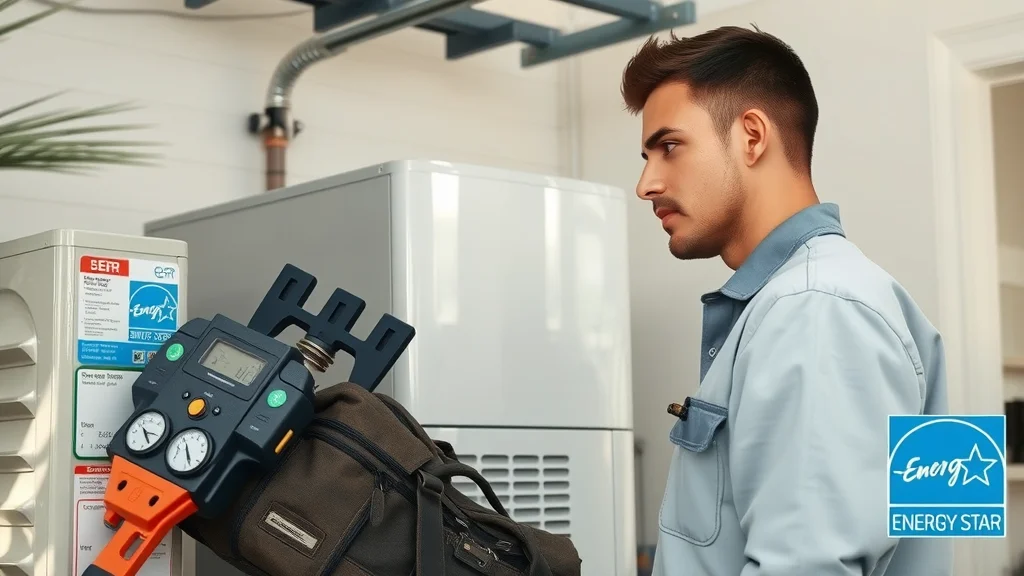
ENERGY STAR is the trusted label for home appliances that combine top performance with proven energy efficiency. An ENERGY STAR certified air conditioner, heat pump, or ductless mini split meets strict guidelines set by the EPA, ensuring they use less energy, produce fewer emissions, and cost less to operate. In Florida, choosing ENERGY STAR certified systems isn’t just about being green—it can also make you eligible for tax incentives, rebates, or utility discounts. Consistently, ENERGY STAR certified HVAC systems outperform their peers in both measurable energy savings and long-term reliability, so always check for the iconic blue logo when selecting your next system.
Assessing Whole HVAC Systems for Maximum Energy Savings
Evaluating just the air conditioner or heat pump isn’t enough—consider the whole efficient HVAC system. That means looking at insulation (especially in attics), window efficiency, duct leak repairs, and the home’s air flow. By focusing on the entire heating and cooling system, you maximize the overall energy efficiency ratio for your Florida home. Seasonal maintenance, regular filter changes, and upgrading older thermostats to smart models all work together to ensure your efficient hvac systems deliver the best comfort and lowest utility bills possible. Be sure to ask local HVAC professionals about tailored solutions for Florida’s climate, including recommended system sizing and humidity control features.
| System Type | SEER Rating | Initial Cost (Est.) | Estimated Energy Bill Savings |
|---|---|---|---|
| Standard Central AC | 14 | $4,000–$6,000 | Baseline savings |
| High SEER Central AC | 18–21 | $5,200–$8,500 | Up to 40% reduction |
| Heat Pump (ENERGY STAR) | 16–20 | $5,000–$9,000 | Up to 45%+ reduction |
| Ductless Mini Split | 18–25 | $3,500–$6,500 (per zone) | 30–45% reduction (zone-controlled) |
| Variable-Speed AC | 20–26+ | $8,000–$13,000 | Up to 50%+ reduction |
Best Energy Saving Air Systems Florida: Top Recommended Products
Most Efficient Air Conditioners by SEER
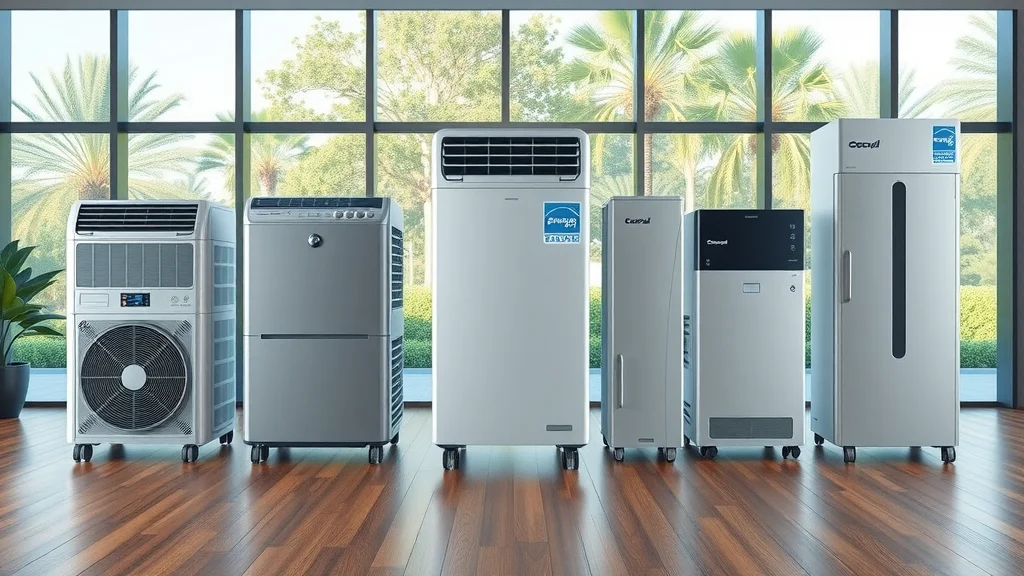
Florida’s top-performing air conditioners all boast impressive SEER ratings—often 18, 21, or higher. Leading models from brands like Trane, Lennox, Carrier, and Rheem top the charts for energy efficiency, with features such as variable-speed compressors, robust humidity management, and durable, weather-resistant builds. For homeowners seeking the ultimate in efficiency (and the lowest possible energy bill), models with a SEER rating of 20+ usually offer the fastest payback on investment. Remember, the higher the SEER, the less energy is wasted, ensuring peak cooling while protecting your wallet during Florida’s brutal summers.
Efficient HVAC Systems: Top Brands and Models
When it comes to whole-house cooling and heating needs, the best efficient HVAC system options combine high-performing air conditioners or heat pumps with smart system controls. Brands such as American Standard, Goodman, Bryant, and Daikin regularly appear on top lists for efficient HVAC systems used throughout Florida. Look for systems with multi-stage or variable-speed motors and ENERGY STAR certification for the best blend of comfort, energy savings, and longevity. Paired with regular professional ac installation and service, these HVAC systems can deliver decades of cool, reliable service while minimizing costly energy waste and unnecessary repairs.
Heat Pumps vs. Air Conditioners: Energy Savings Breakdown
Wondering whether a heat pump or an air conditioner will lead to the lowest energy bills for your Florida home? The answer depends on your year-round needs. Air conditioners usually run with slightly higher efficiency for cooling alone, but heat pumps (especially modern variable-speed models) deliver both cost-effective cooling and heating—which can mean substantial savings for households using their systems every season. In most parts of Florida, a high-efficiency heat pump provides nearly all the comfort of a dedicated air conditioner, plus supplemental heating for chilly winter mornings, while qualifying for more rebates and incentives due to their efficiency.
How to Choose the Right AC Installation and Maintenance Services
What to Look For in an HVAC System Installer in Florida
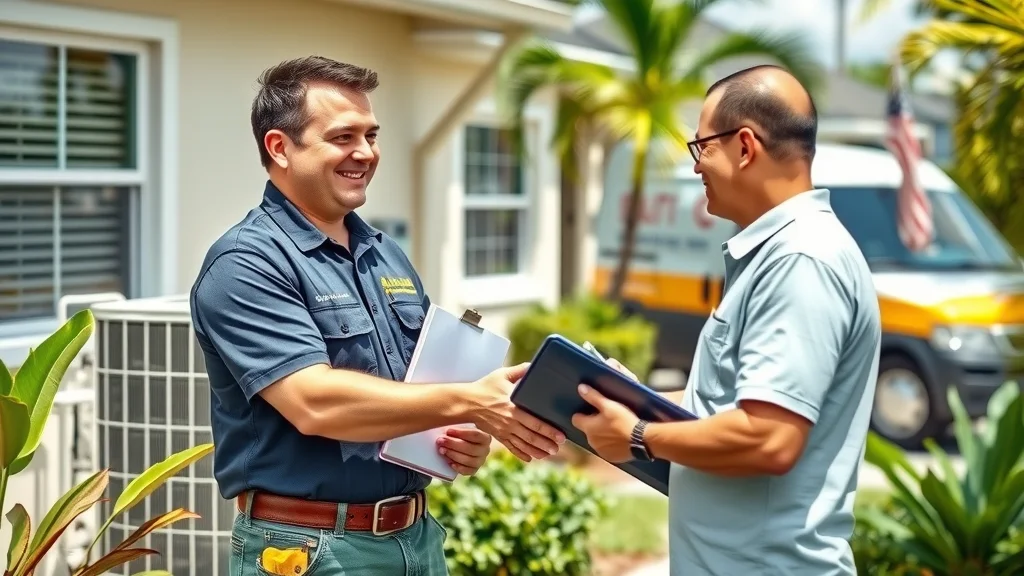
The benefits of energy saving air systems Florida residents count on depend largely on who installs and services your unit. Look for contractors or companies with current state licenses, excellent online reviews, and a proven track record with efficient HVAC systems and local homes. Knowledge of the humid and sandy local climate is a must, as correct ac installation guarantees peak performance, energy efficiency, and longevity. Florida homeowners should always request and compare quotes, ask about system warranties, and ensure that load calculations and SEER ratings are part of any proposal. Don’t forget the value of ongoing maintenance plans for preventing surprises and upholding manufacturer warranties.
Energy Saving Maintenance Tips for Prolonged Efficiency
Keeping your energy saving air system at its best only takes a few routine steps. Consistently replace filters (every 1–3 months during heavy use), clean air vents and evaporator coils, and clear debris from around outdoor units. Schedule professional inspections and tune-ups at least once a year to catch wear issues or hidden inefficiencies early. Don’t skip duct inspections—leaky ducts can waste up to 30% of cooled air! Regular maintenance ensures optimal cooling, prolongs your efficient air system’s life span, safeguards indoor air quality, and keeps those energy bills manageable even during the hottest summer months.
- Select local, certified contractors
- Compare quotes and service packages
- Opt for regular professional AC system check-ups
Key Considerations: Energy Bill, Upgrades, and Local Incentives
Calculating Your Potential Energy Bill Reduction
One of the most compelling reasons to invest in energy saving air systems Florida homes need is the dramatic impact on monthly energy bills. By reviewing your current utility statements and referencing the efficiency improvements outlined in SEER ratings and manufacturer guarantees, you can estimate savings of 20%–50%. Multiply your bill’s cooling portion by the anticipated percentage savings from your new efficient air conditioner or heat pump—and watch those numbers add up! Many local utilities offer online calculators for more customized projections, factoring your specific home size and HVAC usage. The payoff is usually noticeable in just a few months, turning that up-front investment into a steady stream of savings for years to come.
Financing Options, Tax Credits, and Rebates for Energy Saving Air Systems Florida
Florida residents have access to a range of financial incentives for upgrading to energy efficient HVAC systems. Federal tax credits (subject to current IRS guidelines), utility company rebates, and low- or no-interest financing plans are readily available for homeowners installing qualifying Energy Star certified systems. Always check eligibility rules and application deadlines, as programs may change yearly. Many HVAC installers can help you apply for these credits and handle necessary paperwork, putting high-efficiency comfort systems within reach even if you need flexible payment options or cash rebates.
Maximizing Your Energy Savings with Smart Thermostats and Automation
Smart thermostats and home automation take the guesswork out of energy savings. These devices let you schedule temperature adjustments, monitor energy use patterns, and make remote changes from your phone or tablet—all essential for busy Florida households. Many models feature compatibility with variable speed air conditioners and efficient HVAC systems for seamless optimization. Some smart thermostats also incorporate humidity controls, helping maintain perfect indoor air quality while lowering utility bills. Applying these tech tools means you never cool an empty house and always maximize your investment in energy saving air systems Florida.
People Also Ask About Energy Saving Air Systems Florida
What is the $5000 rule for HVAC?
- The $5000 rule is used to decide between repairing or replacing your HVAC system. Multiply the system’s age by the repair cost. If the result exceeds $5000, replacement is recommended for better energy efficiency in Florida’s climate.
What is the best HVAC system for Florida weather?
- The best HVAC system for Florida typically includes a high-SEER air conditioner or heat pump, with variable-speed compressors for humidity control and energy savings.
What HVAC system qualifies for tax credit 2025?
- In 2025, HVAC systems like Energy Star certified air conditioners, high-efficiency heat pumps, and certain ductless mini splits may qualify for federal tax credits. Always verify with the latest IRS guidelines.
What is the most energy efficient HVAC system?
- The most energy efficient HVAC systems for Florida are typically variable-speed, high-SEER heat pumps or air conditioners with Energy Star certification.
Watch an animated demonstration illustrating how the latest energy saving air systems keep Florida homes cool, reduce energy bills, and improve comfort through smart thermostats, humidity management, and cutting-edge AC technology.
Frequently Asked Questions about Energy Saving Air Systems Florida
- How often should I replace my AC filters for energy efficiency? Replace your air filters every 1–3 months in Florida’s high-use climate to maintain proper airflow, energy efficiency, and indoor air quality.
- Can an efficient HVAC system improve indoor air quality? Yes. Modern efficient HVAC systems incorporate better filtration and remove humidity and pollutants, leading to healthier, cleaner indoor air with each cycle.
- Are ductless mini splits more efficient for older homes? Absolutely. Ductless mini split systems let you cool specific rooms without requiring new ductwork, vastly improving efficiency and comfort in older Florida homes.
Key Takeaways for Choosing Energy Saving Air Systems Florida
- Compare SEER ratings and certifications
- Factor in local climate and energy savings
- Regular service and installation impact system longevity
- Utilize available tax credits and rebates
Conclusion: Make Your Next Step Toward Energy Savings in Florida
- Explore local options and contact reputable installers to benefit from today’s best energy saving air systems Florida offers.
Local Business In the Eustis Area? Reach Out to Us to Advertise and Reach Thousands of Local Home Owners!
Sources: