


Shocking Fact: Did you know that nearly 60% of homeowners exceed their initial budget when starting a deck build due to unforeseen costs and poor planning? If you’re dreaming of a stunning outdoor space but fear your deck project will spiral out of control, you’re not alone. The key to a smooth deck build is mastering the art of deck budgeting. This comprehensive deck budgeting guide will arm you with the knowledge, strategies, and tools you need to avoid common pitfalls, choose the best decking materials, and make informed decisions—so you can enjoy your outdoor living space without breaking the bank.
“Nearly 60% of homeowners exceed their initial budget when starting a deck build due to unforeseen costs and poor planning.”

Start Your Deck Build with the Right Mindset: A Shocking Fact About Deck Budgeting
Tackling a deck build without a realistic budget is one of the leading causes of overspending in home improvement projects. Most homeowners, excited by the possibilities of an upgraded outdoor space, jump straight into design and material choices, forgetting to anchor the process with careful planning. The deck budgeting guide begins with mindset: it’s about anticipating the full scope of your deck project, preparing for unforeseen expenses, and giving yourself the flexibility to make smart, cost-effective decisions. This not only ensures your deck project aligns with your vision, but also safeguards your wallet from unpleasant surprises.
One of the most significant challenges is accounting for labor costs, material cost variances, and unexpected obstacles like uneven terrain or building code requirements. When you embrace a disciplined approach and consult professional deck builders early, you empower yourself to make informed decisions. From choosing between a composite deck and a wood deck to understanding the importance of a level deck, every phase shapes the outcome and cost of your deck build. Read on for actionable steps to avoid being one of the many homeowners who regret not budgeting wisely from the start.
What You’ll Learn from This Deck Budgeting Guide
- Key strategies to plan your deck budgeting effectively
- How to compare decking materials (composite deck, wood deck, and more)
- Ways to estimate labor cost and material cost for your deck project
- Tips to avoid hidden fees and ensure a level deck build
- Real-life budgeting examples and tables for your deck build
Understanding the Deck Budgeting Guide: The Foundation for a Successful Deck Build
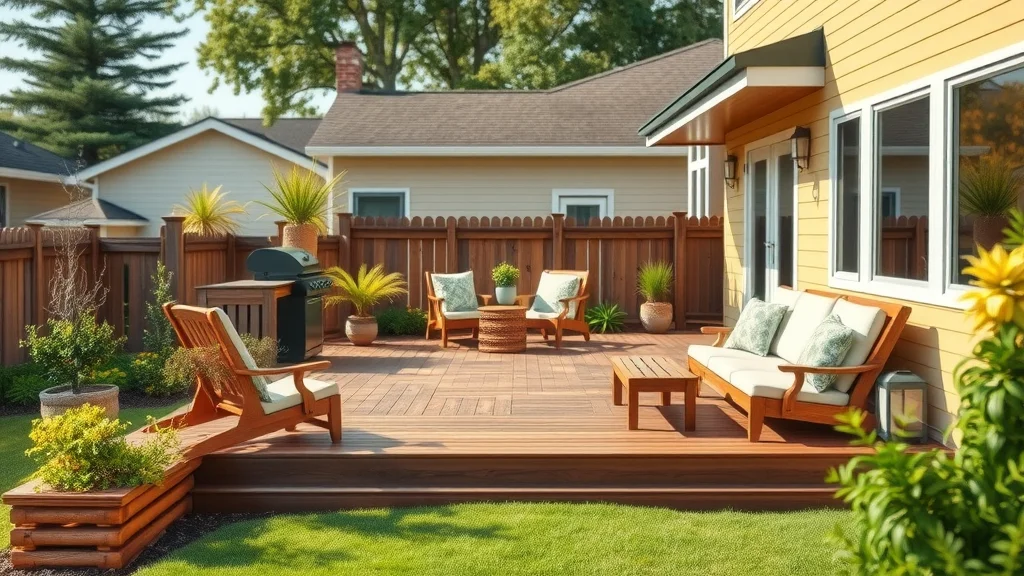
Why a Deck Budgeting Guide Matters for Your Outdoor Space
Having a reliable deck budgeting guide is foundational when transforming your outdoor space into a functional and beautiful living area. The absence of a detailed plan often leads to scope creep, allowing material cost and labor cost to spiral beyond your expectations. A guide not only helps you track every step and expense in your deck build but also ensures you’re comparing the right decking materials and accounting for regional labor costs, permits, and site preparation essentials.
Successful builds that stay within budget start with informed choices. Whether you opt for a wood deck or high-performance composite deck, knowing the impact on long-term sustainability, regular maintenance, and upfront investment is critical. Expert deck builder advice emphasizes early planning and transparency on budget allocation, especially for finishes, hardware, and adding features that create a truly inviting outdoor living space.
Setting Expectations: Building a Deck Without Breaking the Bank
Building a deck is an exciting home improvement opportunity but costs can quickly add up. The secret to enjoying the full value of your deck project lies in transparent budgeting and solid expectation management. Understand that every decision—from the type of decking material you select to whether you tackle the work yourself or hire a professional—will impact the total cost.
Setting a realistic budget means factoring in the expenses you can forecast, such as deck size, material costs, and base labor costs. But it’s equally important to leave room for hidden surprises: site grading, permit fees, and unforeseen repairs. This deck budgeting guide provides step-by-step support, ensuring you’re equipped to make smart choices during every stage of your build and ultimately create your ideal outdoor living area.
Deck Build Cost Factors: What Impacts the Price of Building a Deck?
Material Cost in Deck Budgeting Guide: Wood Deck, Composite Deck, and More
The choice of decking material significantly impacts the total cost of your project. Traditional wood decking options like pressure-treated lumber are often less expensive up front, but require regular maintenance, staining, and can deteriorate over time. In contrast, composite decking carries a higher initial material cost but is weather-resistant, low-maintenance, and may offer a longer lifespan, reducing lifetime expenses.
Budgeting wisely means comparing more than just the purchase price. Evaluate the durability, required upkeep, and overall aesthetics for options like cedar, redwood, PVC, and recycled composite materials. Factor in fasteners, understructure materials, balusters, and railings—elements that can all raise your budget. Smart planning in the deck budgeting guide helps you prioritize features for both function and finish, letting you maximize value within your unique budget.
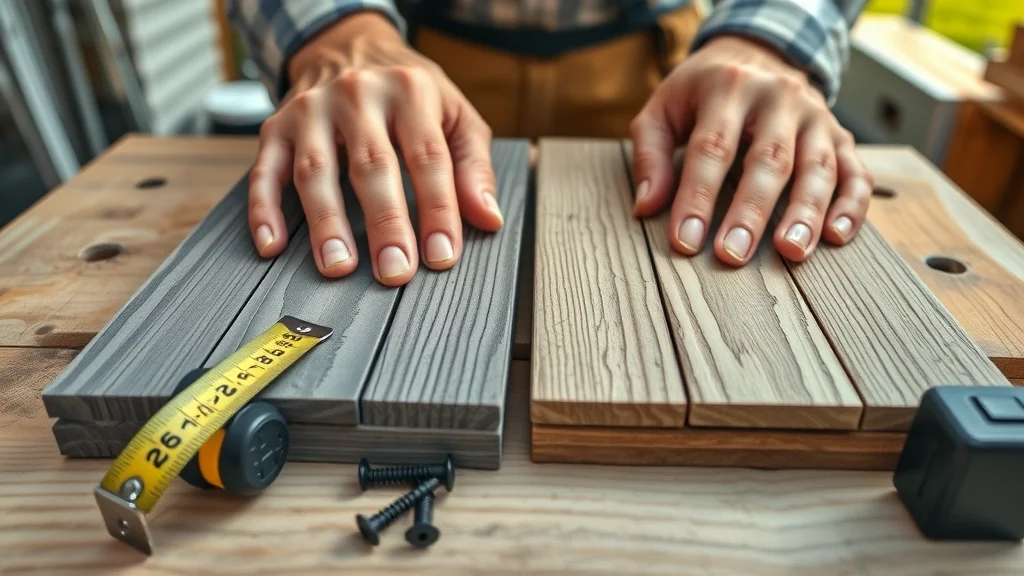
Labor Cost Explained: What Professional Deck Builder Charges Include
Engaging a professional deck builder brings expertise, safety, and speed to your deck build, but with those advantages come tangible labor costs. Understanding what goes into a contractor’s quote is essential for accurate budgeting. Labor cost calculations usually encompass preparation, framing, decking installation, railing, and any extra features, plus local code compliance and waste disposal.
Hourly rates and fixed fees vary nationally. Regions with higher construction demands or complex terrain could see stiffer labor prices. Seasonal changes, project timeline, and scope also matter—an experienced deck builder may charge a premium, but can help prevent costly mistakes. Always request a detailed breakdown. It will make your budgeting predictable and transparent, supporting your decisions throughout the deck project.
Decking Materials Breakdown: Exploring Composite Decking, Wood Decking, and Alternatives
Choosing the right decking materials requires understanding both the pros and cons relative to your lifestyle, climate, and willingness for ongoing care. Composite decking blends plastic and wood fibers, making it highly durable and low-maintenance, while classic wood decking (such as cedar or redwood) offers a natural look at a lower initial price but requires regular upkeep to maintain its charm and longevity.
Alternative materials, such as PVC, aluminum, or capped composites, are increasingly popular for their weather resistance. Your deck budgeting guide should list initial purchase price, installation challenges, and future maintenance costs for each option. This helps you make informed decisions and ensures your outdoor space achieves long-term curb appeal and value.

The Importance of Site Preparation and Level Deck Considerations
Site preparation is frequently underestimated in the deck budgeting guide. Before any materials are ordered, your outdoor space needs a thorough assessment for grading, drainage, and obstructions like tree roots or buried utilities. A poorly prepared site will require more time, more money, and may create long-term headaches after your beautiful deck is in place.
Achieving a level deck isn’t just about looks; it impacts the structure’s safety and lifespan. Professionals may recommend extra supports, retaining walls, or specialized hardware to account for uneven ground—each increasing both material cost and labor cost. Always include a buffer in your budget to cover site-specific issues to prevent last-minute surprises and additional project delays.
Decking Material Options in Your Deck Budgeting Guide
| Decking Material | Average Material Cost per sq. ft. | Maintenance Requirement | Longevity |
|---|---|---|---|
| Pressure-Treated Wood Deck | $4–$8 | Regular staining/sealing | 10–15 years |
| Composite Deck | $8–$15 | Minimal (washing only) | 25–30 years |
| Tropical Hardwood | $12–$25 | Annual oiling suggested | 30+ years |
| PVC/Alternative Decking | $10–$18 | Minimal (washing only) | 25–40 years |
Wood Deck vs Composite Deck: Pros, Cons, and Budget Impact
When choosing between a wood deck and a composite deck, consider both the up-front price and the total cost over the deck’s life. Wood decking offers a classic, natural appearance and is generally more affordable initially. Yet, it requires regular maintenance—cleaning, staining, sealing, and, sometimes, board replacements. This ongoing upkeep can add thousands to the final expense of your deck build over time.
On the other hand, composite decking costs more right away, but is prized for its durability, color retention, and minimal maintenance—usually just washing. This guide helps you weigh higher upfront investment against future savings and inconvenience. Your decision will significantly impact both your project satisfaction and the value your new deck adds to your home.
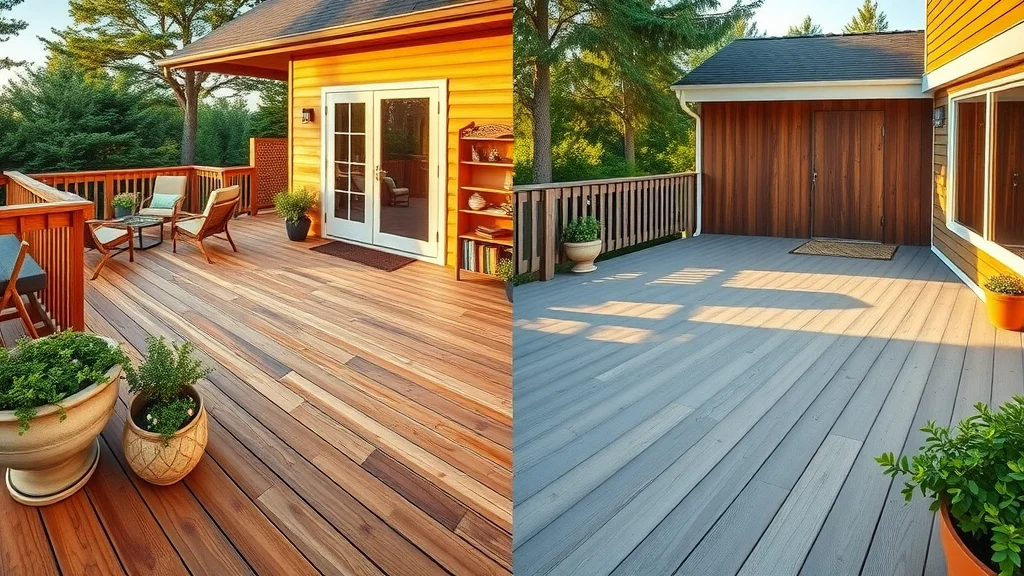
Decking Material Costs: What to Expect
Budgeting correctly means understanding the material costs for various decking materials. Pressure-treated lumber may range from $4–$8 per square foot, while composite boards generally cost $8–$15 per square foot or more. Tropical hardwood and premium alternatives can be even pricier. But remember—upfront cost is just one part of your deck budgeting guide; longevity, frequency of repairs, and time spent on regular maintenance can make even premium options cost-competitive over decades.
Factor in fasteners, supports, railings, and understructure, as these “hidden” elements can represent 20–30% of your total material expense. Always get multiple quotes and read the product warranty terms to ensure the best value for your investment and to avoid costly mistakes down the road.
Composite Decking Insights: Longevity and Upfront Investment
Composite decking is gaining popularity for its durability and minimal upkeep. While its material cost may be double that of simple wood decking, composite products resist fading, splintering, and insect damage indefinitely. This makes them a smart investment for families who want to maximize time spent enjoying their deck—and minimize labor and repair bills.
“Composite decking may carry a higher initial material cost, but it reduces long-term maintenance costs compared to a traditional wood deck.”
This section of your deck budgeting guide helps homeowners make informed decisions about paying more up front to save on regular maintenance and prevent unexpected future expenses. Keep your eye on the long view—sometimes a larger initial investment translates into significant savings and peace of mind for years to come.
Calculating Labor Costs in the Deck Budgeting Guide
Understanding Labor Costs: DIY vs Deck Builder
Choosing between doing it yourself and hiring a professional deck builder significantly impacts the overall budget for your deck build. DIY may save money initially on labor cost, but if you lack experience, you may pay more in the long run through mistakes, wasted materials, and extra time spent. Plus, DIY deck building requires specialized tools, permits, and often leaves out critical safety benchmarks.
Conversely, hiring a professional means higher up-front labor costs—often $20–$45 per square foot for full-service projects—but delivers expert craftsmanship, efficient construction, and adherence to code. Professional builders also usually carry insurance, protecting you from liability. Weigh these tradeoffs carefully: sometimes it pays to spend more for guaranteed peace of mind and project success.

Regional Influences on Labor Cost in Deck Projects
Where you live can significantly impact both material and labor costs for your deck project. Labor rates are generally higher in urban areas and regions with greater demand for skilled trades. Local material suppliers may also charge premiums for delivery or stock special orders, altering your overall expenditure.
Understanding these regional nuances—and incorporating them into your deck budgeting guide—makes it easier to create a buffer in your plan. Check with neighbors, online forums, and local pros to get a ballpark estimate before you finalize your budget. The extra effort ensures you won’t be caught off guard by surprises midway through your deck build.
Hidden Labor Costs for Building a Deck
Some labor expenses aren’t always spelled out in a contractor’s quote. Tasks like old deck demolition, site clearing, waste removal, or building a level deck on a sloped site can add hundreds—or even thousands—to your final bill. Factor in time spent on arranging inspections, securing permits, and managing supply deliveries.
To avoid surprises, ask deck builders for a detailed written estimate, specifying all tasks and associated fees. Smart homeowners use their deck budgeting guide to probe for overlooked costs, making sure nothing is omitted from the contract. By clarifying responsibilities and potential extras in advance, you’ll make informed, confident decisions and keep your budget intact.
Planning Your Deck Build: Essential Budgeting Steps
- Define your deck project goals and outdoor space needs
- Select appropriate decking materials
- Request estimates from deck builders
- Check building permits and local requirements
- Create a contingency fund in your deck budgeting guide
Sample Deck Budget Scenario: From 12×12 to 20×20 Deck Builds
| Deck Size | Decking Material | Estimated Material Cost | Estimated Labor Cost | Total Cost (Low – High) |
|---|---|---|---|---|
| 12×12 (144 sq. ft.) | Wood Deck | $576–$1,152 | $2,880–$5,760 | $6,000–$12,000 |
| 20×20 (400 sq. ft.) | Composite Deck | $3,200–$6,000 | $8,000–$16,000 | $15,000–$30,000+ |
Example: Material Cost for a 12×12 Wood Deck
A standard 12×12 wood deck is one of the most common builds due to its manageable deck size and lower initial material cost. Depending on your choice of wood (pressure-treated, cedar, or redwood), material costs often fall between $576–$1,152, but can rise if you choose high-end trims or specialty fasteners. Don’t forget to add costs for understructure, railing systems, and finishing products.
Homeowners often underestimate the total cost by omitting permit fees, subgrade work, and proper leveling. Use your deck budgeting guide to create a thorough materials checklist and anticipate overages, which helps you stay on track and avoid project-halting surprises.
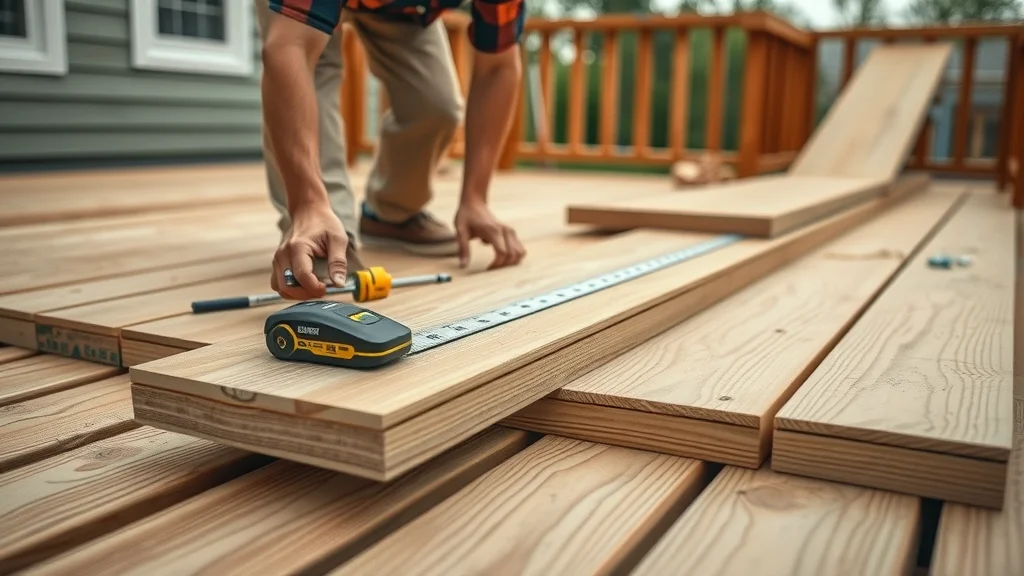
Example: Labor Cost for a Composite Deck 20×20
Larger decks, such as a 20×20 composite deck build, present a new set of challenges—and higher labor costs. Labor for composite products is typically more expensive than for wood, since the material is heavier, requires special tools, and entails more meticulous installation for warranty compliance. Expect professional labor estimates to run $8,000 to $16,000, not including extras like lighting, stairs, or custom railings.
“The average cost of a 12×12 deck is often under-estimated due to additional expenses like permits and leveling.”
This scenario highlights the importance of buffer funds and professional consultation found in your deck budgeting guide. Asking for full breakdowns from every deck builder you consider is the single best way to ensure apples-to-apples comparisons and avoid unexpected financial strain.
Financing Options for Your Deck Project
Deck Budgeting Guide to Loans and Payment Plans
If your deck project exceeds your savings, modern financing options let you realize your dreams without undue stress. From home equity loans and lines of credit to unsecured personal loans and store financing for decking material purchases, there are ways to stretch payments comfortably over time. Your deck budgeting guide should explore banks, credit unions, and specialty lenders to secure the best terms—and always factor interest rates that will affect the total cost.
Careful comparison and understanding repayment timelines will help you make informed decisions. Some builders even offer deferred payment or special financing promotions, but review all fine print, including penalties for late payments or prepayment.

Pros and Cons of Financing Your Deck Build
While financing can make deck projects accessible, it also raises costs through interest and fees. The benefits are immediate enjoyment of your new outdoor living space and spreading the investment over months or years, which might not otherwise be possible. However, be cautious of leading yourself into debt on products or upgrades outside your means.
Balance practicality and desire by borrowing what you can comfortably repay. Smart use of financing, combined with advice from your deck budgeting guide, means you’ll step onto your finished deck with confidence and financial comfort.
Avoiding Costly Mistakes: Deck Budgeting Guide Best Practices
- Always overestimate labor costs
- Compare multiple decking material quotes
- Consult a professional deck builder for complex sites
- Inspect your outdoor space for hidden issues before starting your deck project
Videos: Deck Budgeting Guide In-Action
Watch our step-by-step explanation on planning your deck build budget, identifying labor and material costs, and setting the right expectations.
This side-by-side cost breakdown illustrates the critical differences in material and maintenance expenses between wood decking and composite materials so you can make an informed choice for your deck project.
People Also Ask: Deck Budgeting Guide Answers
What is the 3 4 5 rule for decks?
The 3 4 5 rule for decks refers to a simple method for ensuring your deck corners are square by measuring and adjusting until the sides of a triangle are 3, 4, and 5 units in length; if they fit, your corner is precisely 90 degrees.
How much should I budget for a deck?
You should budget for a deck by considering the deck size, decking materials, labor cost, additional features, and a contingency (usually 10–20% extra) to avoid surprises. Review market costs in your area as labor and material costs vary.
How much would a 20×20 deck cost to build?
A 20×20 deck could cost anywhere from $15,000 to over $30,000 depending on deck builder labor costs, choice of composite deck or wood deck materials, complexity, and any upgrades such as railings, lighting, or built-in seating.
What’s the average cost of a 12×12 deck?
The average cost of a 12×12 deck typically ranges from $6,000 to $12,000, depending on decking materials, labor cost, and design complexity. Composite deck options tend to be higher, while a standard wood deck may be lower in cost.
FAQs: Deck Budgeting Guide
- How can I save money on my deck build without sacrificing quality?
Plan carefully, compare decking material costs, opt for standard deck sizes, and do basic site prep yourself. Invest in durable, low-maintenance materials to reduce future expenses. - Are there DIY options for building a deck that cut costs?
Yes, DIY deck builds can reduce labor cost significantly, but require commitment, building permits, and a strong knowledge base. Consider DIY for smaller or simpler decks and consult a pro for complex designs. - Which decking materials are most cost-effective long-term?
Composite decking has a higher upfront material cost but reduces maintenance and repair costs over time, often proving more cost-effective than wood decks in the long run. - Does adding a level deck increase labor costs significantly?
A level deck may increase labor costs, especially on a sloped or uneven site, due to extra support and leveling requirements. This should be factored into your deck budgeting guide. - What unexpected deck project costs should I plan for?
Always plan for permit fees, site preparation, ground leveling, and unforeseen fixes after demolition. Include a contingency fund of 10–20% for true peace of mind.
Key Takeaways from the Deck Budgeting Guide
- Deck budgeting requires detailed planning and realistic cost estimates
- Both material and labor costs can be mitigated with smart choices
- Consult your deck builder and use this deck budgeting guide for every project stage
- A well-prepared budget makes for a successful and stress-free deck build
Partner with Local Eustis Pros: Enhance Your Deck Build
“Local Business In the Eustis Area? Reach out to us to advertise and reach thousands of local home owners!”
Conclusion
With the right deck budgeting guide and preparation, your dream outdoor space is within reach—avoid surprises, plan for success, and enjoy every moment on your new deck.
Sources
- Remodeling Magazine Cost vs. Value Report
- Professional Deck Builder Magazine
- Houzz: Decking Choices
- Angi: Estimated Cost of Building a Deck
- HomeAdvisor: Build a Deck