


Did you know that up to 35% of Florida homeowners end up replacing their air conditioners far too early—sometimes just from making the wrong choice at purchase? In the Sunshine State, HVAC mistakes don’t just cost extra on installation; they hike your energy bills and increase future repair costs dramatically. Whether you’re cooling a beach-side retreat or taming inland humidity, selecting the right HVAC systems for Florida is crucial to your comfort, wallet, and peace of mind. Read on to discover how to sidestep the most expensive errors and get the very best from your next AC system.
Shocking Truths About HVAC Systems for Florida: Why Getting It Wrong Is So Expensive
- Before you buy:
- Up to 35% of Florida homeowners replace their air conditioners too soon
- Energy bills can increase by over 40% due to common ac system selection errors
- New legal standards for hvac systems in Florida can catch buyers off guard
When it comes to hvac systems for Florida, the risks are higher than most realize. Poor sizing and ignoring new energy efficiency laws can lead to a cycle of high costs, uncomfortable indoor climates, and constant repairs. For many, an incorrect AC unit selection means living with inefficient cooling, humidity problems, and ongoing maintenance headaches that chip away at both home comfort and savings. The critical mistakes—like overlooking humidity control or new regulations—can skyrocket utility bills and cut system lifespan in half. Understanding the expensive pitfalls specific to Florida’s unique climate is your first step to avoiding them.
How to Choose the Right HVAC Systems for Florida Homes
- Key steps when choosing hvac systems for Florida:
- Consider humidity control and energy efficiency
- Prioritize appropriate sizing for your Florida home
- Evaluate the role of split systems versus central air
- Know common ac unit mistakes in Florida climate
Selecting an HVAC system for your Florida home demands a blend of local expertise and technical knowledge. The humidity and heat in Florida make it vital to choose a system with strong humidity control and high energy efficiency ratings. Assess whether a split system or central air conditioning system matches your square footage and family needs. It’s not just about initial cost—skip this research, and you’ll pay dearly over years in unnecessary repairs and energy loss. Key components like the air handler and proper ductwork must meet the latest standards for the Florida climate or risk months of uncomfortable living and frequent breakdowns.
Understanding the Importance of Air Conditioner and AC System Selection
A well-matched air conditioning system will fit your home’s size and block out that relentless Florida heat, but many buyers don’t realize how often systems are mis-sized. Undersized AC units will strain continuously, never truly cooling your home, while oversized systems short-cycle, wasting energy and failing to manage indoor humidity. Choosing the right ac system affects not just utility bills, but extends the life expectancy of expensive ac equipment. This means lower costs over time and dramatically improved indoor comfort. Invest in the correct sizing and type, and you safeguard your home from common Florida-specific AC troubles.
Why Energy Efficiency Matters for HVAC Systems in Florida
With long cooling seasons and high humidity, energy efficiency in HVAC systems for Florida isn’t just a bonus—it’s a necessity. Modern air conditioners with high SEER and EER ratings reduce energy usage, decrease emissions, and save thousands over their lifespan. As state laws set higher efficiency standards, upgrading to compliant systems now will future-proof your investment. Look for features like variable-speed compressors and smart thermostats, which maintain consistent temperatures and cut back on wasted power. Energy-efficient HVAC systems directly translate to lower monthly bills, more reliable performance, and a smaller carbon footprint in your Florida home.
| Type | Energy Efficiency (SEER) | Average Cost | Longevity | Ideal Florida Use-Case |
|---|---|---|---|---|
| Central Air Conditioning | 14–20 | $5,000–$8,000 | 12–15 years | Large, whole-home cooling |
| Split System | 16–22 | $4,500–$8,500 | 12–18 years | Versatile zoning for multi-room homes |
| Heat Pump | 15–21 | $6,000–$10,000 | 10–15 years | Year-round heating & cooling |
| Ductless Mini-Split | 18–26 | $5,000–$12,000 | 15–20 years | Room additions, garages, efficiency upgrades |
Top 7 Costly Mistakes Homeowners Make When Selecting HVAC Systems for Florida
- Mistake 1: Undersizing or Oversizing the Conditioning System
- Mistake 2: Ignoring Humidity Control Features
- Mistake 3: Overlooking New Air Conditioning Laws in Florida
- Mistake 4: Choosing Old Technology AC Units
- Mistake 5: Focusing Only on Price, Not Long-Term Performance
- Mistake 6: Skipping Air Handler and Ductwork Inspections
- Mistake 7: Not Selecting Energy Efficient HVAC Systems
“Investing in the wrong HVAC system for a Florida home can cost thousands in repairs and lost energy savings.”
Homeowners new to Florida or unfamiliar with HVAC best practices often make expensive choices. Undersized or oversized AC systems end up working too hard or failing to keep up, both leading to increased wear-and-tear and higher bills. Neglecting modern humidity control capabilities means sweating through high summer days—no matter how much you run the AC. What’s more, older technology and a focus purely on sticker price leads to missing out on long-term energy and maintenance savings. Always factor in energy efficiency, new legal requirements, and professional ductwork assessments before making your final decision.
Comparing Central Air, Split System, and Ductless Mini HVAC Systems for Florida Residences
Central Air Conditioning vs. Split Systems: Which Is Best for Florida Homes?
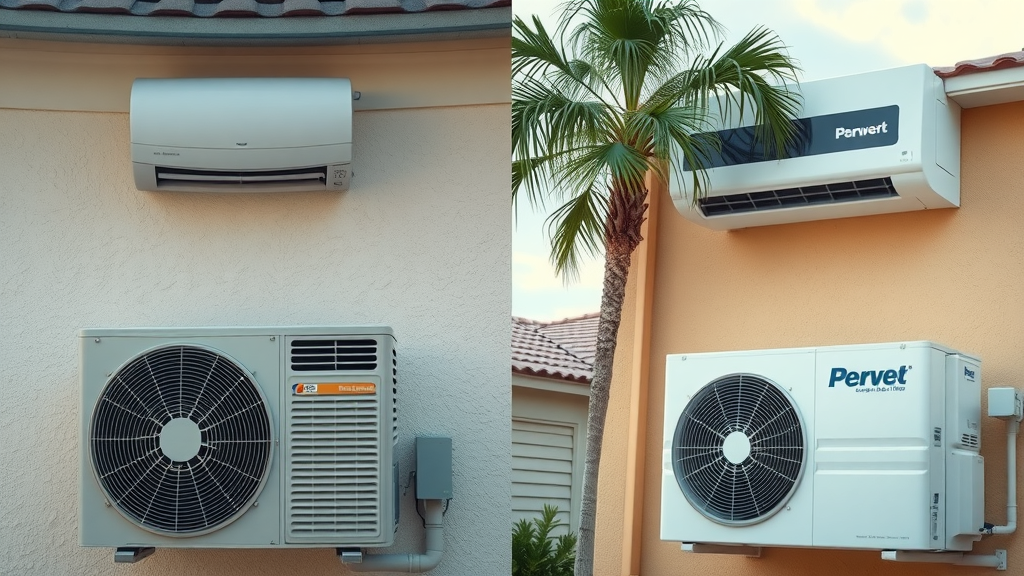
When deciding between central air conditioning and split systems for your Florida home, consider both the layout of your property and your unique comfort needs. Central air systems excel in large, open-floor-plan houses by delivering consistent cool air throughout every room. However, their installation costs can be higher, and ductwork is essential and must be kept in optimal condition to prevent efficiency losses.
Split systems, on the other hand, provide flexibility, especially for multi-story homes or properties with additions. Because they can be zoned, you cool only the spaces you use, potentially leading to major energy savings. Their modular nature makes split systems a popular ac unit choice for Florida residents seeking more control and personalized comfort. Make sure to consult with an HVAC professional about duct condition, insulation, and the potential need for an upgraded air handler before choosing your system.
Pros and Cons of Ductless Mini Split Systems in the Florida Climate
Ductless mini splits have surged in popularity across Florida, and for good reason. These systems allow room-by-room zoned cooling, making them ideal for additions, garages, or older properties lacking existing ductwork. Proponents love ductless systems for their energy efficiency (with SEER ratings often above 20) and lower installation costs, especially in situations where running new ducts would be invasive or expensive.
However, ductless mini splits aren’t perfect for every Florida home. While their humidity control is generally excellent and maintenance is straightforward, the upfront cost per-room can add up quickly in bigger properties. Homeowners should also ensure correct sizing and installation by licensed professionals, as poorly installed units can lead to inefficient performance—something especially costly in Florida’s demanding climate.
What’s New: Florida HVAC System Laws and Air Conditioning Regulations You Need to Know
Florida updated its HVAC laws in 2024 to target both energy usage and indoor air quality. All new ac systems for Florida homes must now meet higher SEER ratings, filter out more indoor pollutants, and offer advanced humidity controls. Heat pumps and split systems that comply with these rules can help future-proof your investment. If you’re buying or replacing soon, double-check that your chosen system supports these latest efficiency benchmarks—non-compliance can disqualify you from utility rebates or even insurance coverage.
The goal behind these regulations is to reduce environmental impact, cut household energy spending, and minimize health issues related to poor air quality. Familiarize yourself with the requirements or partner with a certified HVAC installer to avoid costly redos and retrofits later.
How to Select an Energy Efficient AC Unit or Heat Pump for Florida’s Weather Challenges
- Checklist for selecting energy efficient hvac systems for Florida:
- SEER rating considerations
- Humidity and indoor air quality enhancements
- Central vs. split system comparisons
- Smart thermostats and zoning benefits
The key to successful HVAC performance in Florida is matching system design to climate. Always start by reviewing the SEER rating—the higher, the better for long-haul savings. Enhance your setup with features that boost indoor air quality, such as HEPA filtration and advanced dehumidifiers, important in the subtropical Florida environment. Compare central air, split systems, and heat pumps with a focus on both installation and operational costs.
Consider a smart thermostat with zoning capabilities: it automatically adjusts cooling based on the time of day and room usage, maximizing energy efficiency and comfort. The ideal ac unit or heat pump will maintain even temperatures, curb moisture, and offer remote control over settings for a truly comfortable, healthy home year-round.
The Vital Role of Humidity Control and Indoor Air Quality in Florida’s HVAC Systems
In Florida’s year-round humidity, humidity control is as vital as temperature management. Without it, your home may develop mold, excess moisture, or even structural problems. The right air conditioning system will integrate advanced humidity management features such as variable-speed blowers or built-in dehumidifiers. Proper indoor air quality solutions also filter out outdoor air pollutants, from pollen to mold spores, enhancing both your comfort and health.
Don’t underestimate the cumulative effects of poor humidification—over time, it leads to higher repair bills and more frequent ac system replacements. Consult with an HVAC professional about suitable add-ons and upgrades for your property, especially if your family has allergies or respiratory sensitivities.
Top Add-Ons: Air Handlers, Dehumidifiers & Filtration for Florida AC Systems
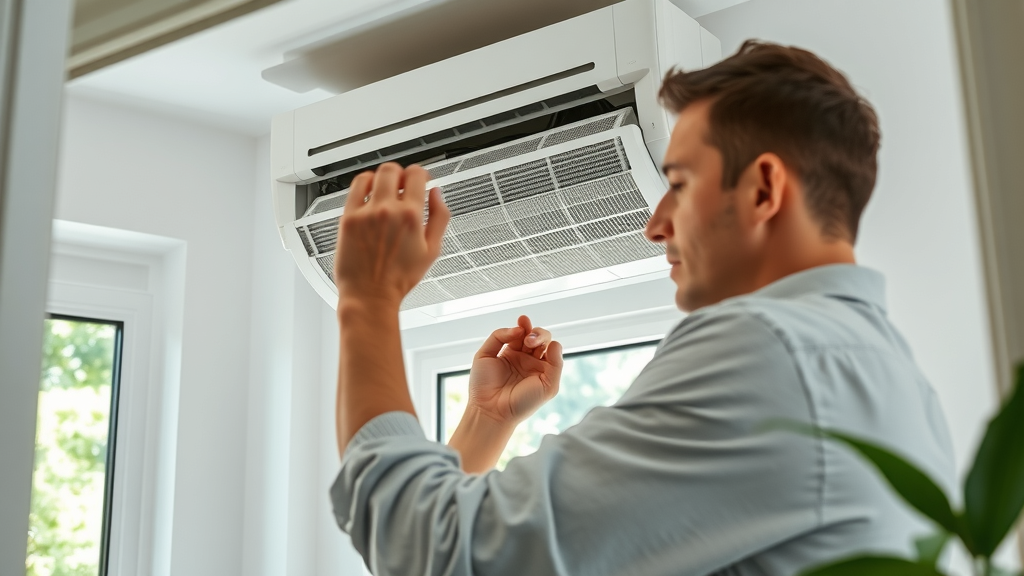
Every air conditioning system benefits from a robust air handler that evenly distributes cool air and helps maintain clean indoor air. When paired with a whole-house dehumidifier, your Florida home will stay crisp and healthy year-round. Filtration upgrades, like HEPA filters and UV lights, are especially recommended for those sensitive to allergens. Regular maintenance, filter changes, and inspections ensure your AC system meets evolving health and legal standards, delivering consistent home comfort.
These add-ons directly contribute not just to comfort but to lifespan—equipment protected from humidity and dust tends to last years longer, cutting down on expensive replacements and repairs. Proactive investment pays dividends for any home battling Florida’s harsh climate.
How Much Does a New HVAC System Cost in Florida? Breakdown by Type and Size
| System Type | Typical Price Range | Installation Charges |
|---|---|---|
| Central Air | $5,000–$8,000 | $1,500–$2,500 |
| Split Systems | $4,500–$8,500 | $1,200–$2,500 |
| Heat Pumps | $6,000–$10,000 | $1,800–$2,700 |
| Ductless Mini-Splits | $5,000–$12,000 | $800–$2,000 (per zone) |
Pricing for new HVAC systems in Florida varies by home size, system type, existing ductwork, and chosen efficiency features. While you can find basic split systems at the lower end, investing more upfront in efficiency and humidity control will save thousands on operation. Assess not only the initial installation charges but the continuing energy use and maintenance when selecting your new air conditioner or heat pump.
People Also Ask: Expert Answers on Florida HVAC Systems
What is the $5000 AC rule?
- In Florida, if the cost to repair your ac system exceeds $5,000 or the unit is 10 years old or more, replacement is often recommended over repair. This rule helps homeowners avoid sinking money into outdated, inefficient hvac systems for Florida homes.
What is the new law for air conditioning in Florida?
- Florida’s new law, effective 2024, mandates that all newly installed hvac systems for Florida meet higher energy efficiency standards, such as increased SEER ratings, improved indoor air quality, and better humidity control features.
How much does a new HVAC system cost in Florida?
- A new hvac system for a typical Florida home ranges from $5,000–$12,000, depending on system type (central air, split systems, heat pumps), size, installation requirements, and energy efficiency features.

What is the most common AC system in Florida?
- The most common ac system installed in Florida homes is the split system, known for its balance of cost, efficiency, and humidity management, though heat pumps and central air models are also widely used.
Frequently Asked Questions About HVAC Systems for Florida Homes
- Q: How often should hvac systems for Florida be serviced?
A: Twice a year is recommended for optimal performance in the state’s climate. - Q: Are heat pumps a good choice for Florida homes?
A: Yes, heat pumps work well in Florida’s mild winters and can provide both heating and cooling efficiently.
Smart Tips for Maximizing Longevity and Performance from Your HVAC Systems in Florida
- Install programmable thermostats
- Change filters regularly for cleaner indoor air
- Schedule annual professional inspections
- Inspect for proper humidity control features
Action Steps: Choose the Best HVAC System for Your Florida Home—Don’t Wait Until It’s Too Late
Take action now: research your options, work with certified Florida HVAC experts, and demand systems with superior energy performance and humidity control. Upgrading the hvac system for your Florida home today prevents tomorrow’s headaches—and expensive surprises.