


Did you know that choosing the right deck material can save you up to 40% on the total cost of your deck build without sacrificing the aesthetics of your outdoor space? Whether you’re dreaming about a modern backyard retreat or upgrading a classic wood deck, understanding today’s most affordable deck materials is the key to maximizing beauty and function—within your budget. Dive in and transform your outdoor living dreams into reality!
Discover Affordable Deck Materials: Impressive Looks Without Breaking the Bank
When it comes to building a beautiful and functional deck, the costs can quickly add up—especially if you’re not familiar with the wide range of decking options available. Many homeowners assume that the only way to get a stunning result is to invest heavily in premium materials or top-tier deck builders, but the truth is that affordable deck materials can deliver long-lasting performance and style. From traditional treated lumber to innovative composite deck boards and modern PVC decking, you have more choices than ever for creating a personalized outdoor space that matches your budget and design preferences.
In this guide, you’ll discover how key options like composite decking, treated lumber, and PVC decks not only help control your initial material cost but also impact your deck’s yearly maintenance requirements and overall lifespan. You’ll also see how the right material choice can influence everything from project size to labor expenses, ensuring an efficient, cost-effective build. Read on for side-by-side comparisons, expert recommendations, and practical advice to keep your next deck project affordable—and beautiful.

What You’ll Learn About Affordable Deck Materials
- Key affordable deck materials for various budgets
- Pros, cons, and maintenance requirements for each decking material
- Material cost comparisons and how to estimate your project
- How composite deck and PVC deck options compare to traditional wood decking
- Expert insights on maximizing durability while minimizing decking price
Table: Affordable Deck Materials vs. Material Cost and Maintenance
| Deck Material | Material Cost per Sq. Ft. | Maintenance Requirements | Estimated Lifespan |
|---|---|---|---|
| Treated Lumber | $2 – $5 | Annual staining/sealing, cleaning | 10–15 years |
| Composite Deck Board | $4 – $12 | Minimal upkeep, periodic cleaning | 25–30 years |
| PVC Decking | $5 – $13 | Occasional washing, stain resistant | 30+ years |
| Aluminum Deck | $9 – $15 | Virtually no maintenance | 40+ years |
| Wood Decking | $3 – $10 | Regular cleaning, sealing; possible repairs | 15–20 years |
Understanding Affordable Deck Materials: Types, Pros, and Cons
Overview of Popular Decking Material Types
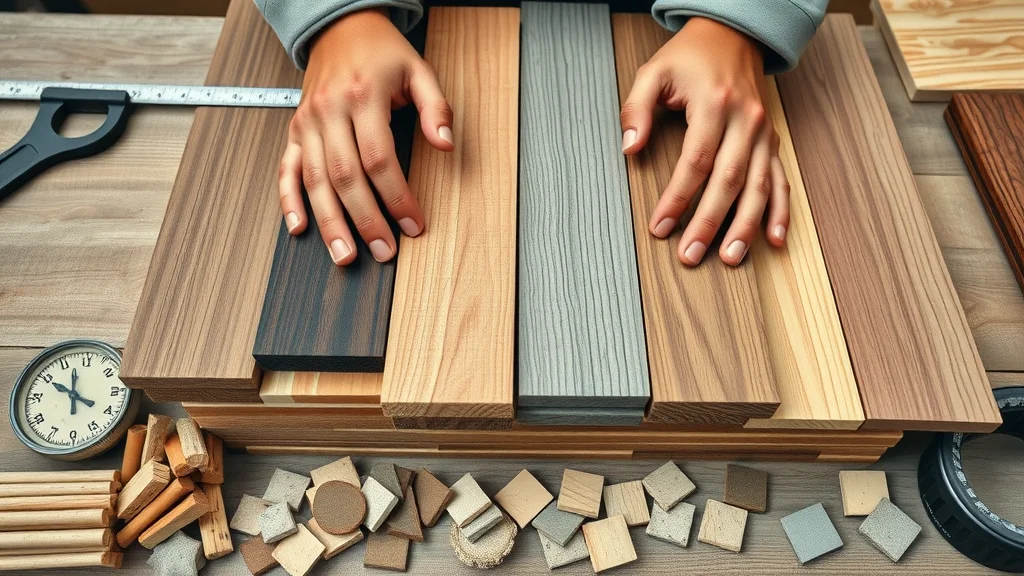
Selecting the right decking material is more than just a matter of price. Today’s market offers an impressive assortment that balances aesthetics, longevity, and decking price. Treated lumber remains a staple for its low initial cost and easy availability, making it ideal for budget-driven projects. However, innovations in composite decking, PVC deck boards, and aluminum deck systems have redefined what’s possible when considering minimal upkeep and long-term returns on investment. Each type—treated lumber, composite and PVC deck boards, sleek aluminum solutions, and classic hardwood or softwood deck boards—carries unique pros and cons regarding performance, appearance, and durability.
When choosing among these decking materials, homeowners often balance factors such as the desired architectural look, local climate considerations, projected lifespan, and the total initial cost. While traditional wood may deliver a warm, natural appeal, composite and PVC options win points for their resistance to rot, insects, and weathering. Aluminum, though pricier upfront, is prized for its extreme durability and near-zero maintenance requirements—an excellent investment for high-traffic or exposure-heavy decks. By understanding these categories, you can tailor your material choice to both your budget and the demands of your outdoor project.
- Treated lumber
- Composite decking & composite deck boards
- PVC decking & PVC deck board
- Aluminum deck options
- Traditional wood deck boards
Affordable Deck Material Choice: Factors to Consider
Making a smart material choice is crucial for both your wallet and long-term enjoyment of your outdoor space. The material cost per square foot can fluctuate significantly depending on the type and quality of the decking board you choose, so it’s essential to compare not just price tags but also projected maintenance tasks and deck lifespan. Longevity is particularly important if you want to avoid frequent repairs or early deck replacement—while the lowest upfront cost material might seem appealing, consider that proper maintenance for wood decking and other materials will affect your total cost over time.
Your selection should also account for factors like desired style and appearance—composite and PVC decks come in a wide array of finishes that often mimic the look of real wood deck boards. Local availability can further impact your decking price and speed of project completion, as some composite deck or PVC deck types may require special orders. Finally, factor in not only the price and aesthetics but also durability and ease of installation; an efficient deck build often results from a balanced consideration of all these criteria, paired with the guidance of a trusted deck builder or home improvement expert.
- Material cost and decking price
- Longevity
- Maintenance requirements
- Style and appearance
- Local availability
Deep Dive: Treated Lumber as an Affordable Deck Material
Why Treated Lumber Remains the Go-To Decking Material
Among all decking options, treated lumber stands out as the most budget-conscious choice for savvy homeowners. Treated lumber is pressure-infused with preservatives that substantially increase its resistance to rot, pests, and the elements—all at one of the lowest material cost points per square foot. For decades, deck builders have relied on this material for cost-effective builds that are easy to customize, repair, and source locally. In fact, many first-time deck projects and budget renovations lean toward treated lumber because it yields broad design flexibility and can be stained or painted in countless finishes.
Despite some trade-offs, such as more frequent maintenance requirements compared to composite or PVC decking, treated lumber remains popular for good reason: it’s easy to work with, widely available at almost every hardware retailer, and can be installed with basic DIY skills or by professionals. While composite deck boards and PVC decks have grown in popularity, many homeowners find treated lumber’s affordability and classic look impossible to beat for basic or mid-tier deck builds.
Maintenance Requirements and Longevity of Wood Decking
Proper maintenance determines the true value of a wood deck or other wooden deck boards, especially treated lumber. Annual staining, sealing, or painting is necessary to prevent warping, splitting, and moisture damage that can decrease your deck’s lifespan. A well-cared-for treated lumber deck can last up to 15 years or more, but neglecting upkeep can reduce this significantly. In contrast, composite deck and PVC deck options typically require little more than regular cleaning, though they come at a higher initial cost.
Comparing decking materials, traditional wood does demand more in terms of upkeep—expect to invest both time and some money annually to maintain its looks and structural integrity. However, many homeowners are willing to put in this effort for the unbeatable authenticity and warmth that only real wood provides. For those interested in minimizing time spent on maintenance, composite or PVC boards may be a worthier investment in the long run, even with their higher up-front material cost.
- Common maintenance practices
- Comparison with composite deck and other decking materials

Composite Deck: Are Composite Deck Boards Truly Affordable?
Composite Decking Material Cost vs. Traditional Materials
The rising popularity of composite deck boards owes largely to their balance of durability, appearance, and declining cost. Despite a higher upfront material cost than treated lumber, composite deck and composite decking options save money—and headaches—over time by reducing maintenance requirements to simple cleaning. As the technology behind composite materials has improved, prices have become more competitive, making them an increasingly viable choice for homeowners seeking long-term value.
Composite deck boards typically range between $4 and $12 per square foot, depending on brand and finish, but the minimized need for staining, sealing, and frequent replacement makes them a smart pick for many outdoor projects. When comparing all decking materials, composite decks offer excellent weather resistance, fade-proof coloring, and a wide range of wood-inspired looks that delight those after both substance and style.
Maintenance Requirements for Composite Decking
One of the most attractive aspects of composite decking is its low-maintenance profile. Unlike wood, which demands regular sealing and inspection for rot or insect damage, composite deck boards only require periodic washing with soap and water to maintain their appearance. This minimal upkeep appeals to busy homeowners and those looking for a set-it-and-forget-it outdoor living solution.
Composite deck boards are also highly resistant to common problems such as splintering and surface weathering—issues that tend to plague untreated wood decks over time. The average composite deck can easily last 25–30 years with proper care, helping to offset the higher initial cost through savings on repairs, staining, and replacement. In short, composite decks are a practical, attractive, and increasingly affordable deck material for today’s outdoor space.
- Cleaning and care versus wood and PVC deck
- Longevity of composite deck boards
PVC Decking: A Modern Alternative in the Search for Affordable Deck Materials
Material Cost and Performance of PVC Deck Options
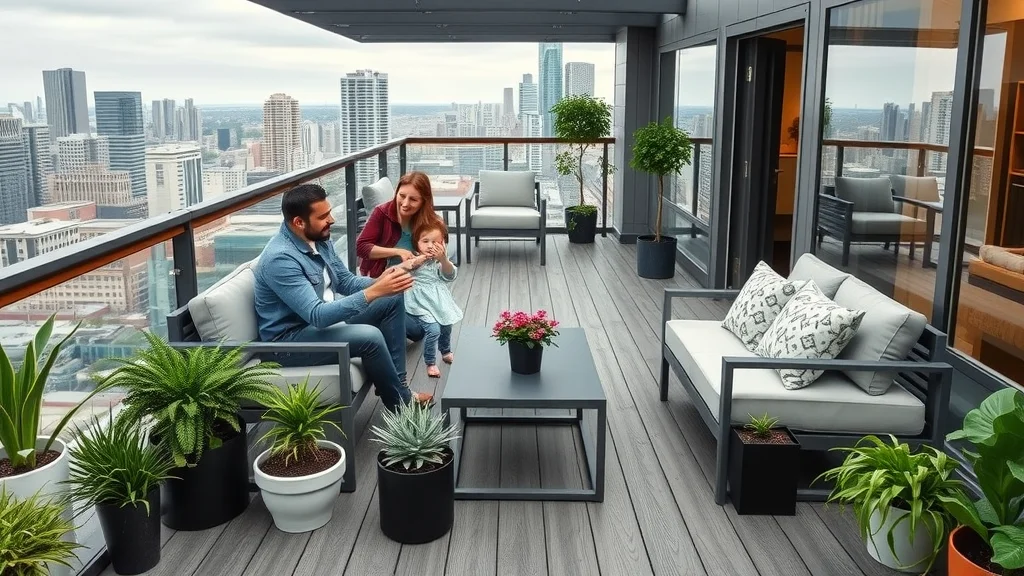
PVC decking is gaining attention as a sleek, low-maintenance alternative for those upgrading or building their decks. With a price range similar to higher-end composite boards ($5–$13 per square foot), PVC deck boards boast excellent resistance to moisture, mildew, and fading. Homeowners who prioritize a long-lasting, worry-free outdoor space appreciate PVC decks for their stain-resistant finishes and the ability to withstand harsh weather with minimal surface upkeep.
A standout benefit of PVC deck options is their near-immunity to rot and splinters—making them ideal around pools, spas, or other high-moisture environments where traditional wood or composite might degrade faster. While the decking price is higher than treated lumber, reduced maintenance requirements present significant savings over the deck’s long lifespan, making this decking material a wise investment for those planning to enjoy their decks for decades.
- PVC decking price comparison
- Maintenance and weather resistance
Best Project Scenarios for PVC Deck Boards
The best candidates for PVC deck boards are projects where exposure to rain, snow, or humidity is a concern—or for homeowners who simply want peace of mind when it comes to deck care. PVC decking’s unique formulation resists swelling, cracking, and insect infestation, and it stands up exceptionally well to coastal or wet climates. For those building a deck in locations subject to frequent weather swings, the long-term durability of PVC—often 30 years or more—is unmatched.
While PVC may not always mimic the nuanced grain of real wood as closely as composite options, many new lines offer convincing finishes. For homeowners seeking a modern look, low maintenance requirements, and a deck investment that lasts, PVC is a decking material worth serious consideration—especially in high-traffic or moisture-rich areas.
- Climate considerations
- Long-term durability
Aluminum Decking: High Performance for the Right Price
Who Should Consider Aluminum Deck Materials?
Aluminum deck boards are the dark horse among affordable deck materials—rarely the least expensive option up front, but nearly unrivaled in terms of life cycle cost and performance. With material cost often running $9–$15 per square foot, aluminum decks are ideal for specific uses: multi-story homes, rooftop decks, or climates with extreme weather conditions. What sets aluminum apart is its virtually maintenance-free nature: no need for sealing, staining, or even regular cleaning, as its non-porous surface resists everything from rust to mildew.
Deck builders often recommend aluminum for decks that see heavy use or need to withstand significant weight. Additionally, aluminum deck materials are naturally fireproof and cool quickly, making them a perfect safety-focused or commercial choice. Despite the higher initial investment, aluminum’s longevity (often beyond 40 years) and minimal upkeep costs often result in a lower total cost of ownership compared to even the most durable composites or treated wood.
- Material cost versus benefits
- Low maintenance and unique applications

How Decking Material Cost Varies by Project Size
Calculating the Decking Price for a 20×20 Deck Build
| Material | Total Estimated Material Cost for 20×20 Deck | Key Considerations |
|---|---|---|
| Treated Lumber | $800 – $2,000 | Requires regular sealing & maintenance |
| Composite Deck | $1,600 – $4,800 | Low maintenance, long lifespan |
| PVC Decking | $2,000 – $5,200 | Weather, stain & insect resistance |
| Aluminum Deck | $3,600 – $6,000 | Virtually maintenance-free, very long lifespan |
| Wood Decking | $1,200 – $4,000 | Authentic look, but regular upkeep needed |
What Affects the Cost of Deck Build Projects?
The ultimate price tag on your deck build goes beyond simply multiplying the deck board cost by square footage. Your final material cost is also shaped by choices around deck layout, board orientation, and add-on features such as railings or integrated lighting. Labor expenses—especially if you hire a professional deck builder—can sometimes exceed the cost of the decking material itself, particularly for complex shapes or multi-level designs that take additional time and skill to execute.
Finally, market fluctuations and seasonal demand can affect the price of all decking materials. Planning your project during the off-season or taking advantage of local discounts may significantly reduce costs. Always account for additional items like fasteners, joists, and substructure materials, as they often form a significant portion of the project’s budget beyond visible deck boards and rails.
- Decking material and deck board choice
- Labor and deck builder expenses
- Design complexity
Video Walkthrough: Comparing Affordable Deck Materials Side by Side
See real-life comparisons of treated lumber, composite, and PVC deck boards—in both close-up and installed settings—to help you visualize which material best matches your needs.
Affordable Deck Builds: Tips for Saving Without Compromising Quality
- Choosing off-season for decking board purchases
- Leveraging local discounts on decking material
- DIY vs. hiring a deck builder
- Opting for efficient designs that minimize excess material cost
Quote: Professional Insight on Affordable Deck Materials
“Selecting the right decking material is about balancing upfront material costs with long-term maintenance and longevity. Affordable deck materials don’t always mean short lifespan—choose wisely.” – Industry Leading Deck Builder
Lists of Affordable Decking Boards and Materials Suppliers
- National big-box retailers
- Local lumber yards
- Online deck material stores with competitive pricing
Watch walkthroughs of real projects—from planning to finished decks—explaining material decisions, challenges, and total costs.
People Also Ask: Affordable Deck Materials
What is the most affordable deck material?
Treated lumber is widely regarded as the most affordable deck material available today. It can be purchased at nearly all hardware stores for as little as $2–$5 per square foot, making it ideal for budget-conscious deck builds. While it requires annual maintenance such as staining and sealing, its low upfront cost and widespread availability make treated lumber the top choice for those seeking to minimize the initial cost of their outdoor project.
How much should a 20×20 deck cost?
The cost to build a 20×20 deck varies significantly based on material choice. Using treated lumber, expect material costs to range from $800–$2,000. Composite deck and PVC deck options generally cost more—between $1,600 and $5,200. Aluminum can exceed $6,000, but is virtually maintenance-free. Labor and design complexity add additional costs, so always budget extra for custom work or professional installation.
What is the least expensive way to build a deck?
To build a deck as inexpensively as possible, opt for treated lumber or basic wood decking, select a simple rectangular design, purchase materials during off-season sales, and consider a DIY installation. Reducing design complexity and sourcing deck boards locally from big-box retailers or surplus stores can further minimize overall costs without compromising on build quality for your outdoor space.
How much does a 200 ft deck cost?
For a 200 square foot deck, initial material cost using treated lumber typically falls between $400 and $1,000. Composite and PVC deck materials will increase this to $800–$2,600, while specialty or premium decking such as aluminum could exceed $3,000. These figures exclude labor and additional features, so always factor in extra for finishing touches or unique project requirements.
FAQs About Affordable Deck Materials
- How often do affordable deck materials need to be replaced?
Most treated lumber decks last 10–15 years with proper maintenance; composite and PVC decks can last 25–30 years or more, and aluminum may last over 40 years. Replacement frequency depends on deck board quality, local climate, and maintenance routines. - Can I mix deck boards for cost savings?
Yes, combining treated lumber substructures with composite or PVC deck boards can optimize both budget and durability. This hybrid approach leverages the affordability of wood with the lifespan and minimal upkeep of modern surfacing materials. - What local factors may influence my decking material price?
Local lumber costs, climate conditions, and seasonal demand can all affect pricing. Availability of certain materials, local building codes, and the range of suppliers will also impact your project’s final budget.
Key Takeaways on Choosing Affordable Deck Materials
- Material cost should be weighed against maintenance requirements and lifespan
- Treated lumber remains the most affordable up front
- Composite deck and PVC deck minimize yearly maintenance, but cost more
- Smart material choice is essential for a durable, affordable deck build
Reach Local Homeowners: Advertise with Us!
Local Business in the Eustis Area? Reach out to us to advertise and reach thousands of local home owners!
In summary: Smart selection of affordable deck materials pairs beauty, performance, and budget—so you can invest wisely in a deck built to last!
Sources