


Did you know? Homes with properly installed residential fire sprinkler systems can decrease the risk of death in a home fire by 80%, according to the National Fire Protection Association. Despite this compelling fact, only a fraction of American residences have fire sprinklers, leaving thousands of families at greater risk. In this guide, you’ll discover why residential sprinkler installation is not just a smart investment—it’s a potential lifesaver and a clear path toward safeguarding your loved ones and property.
A Startling Truth: Why Residential Sprinkler Installation Could Save Your Home
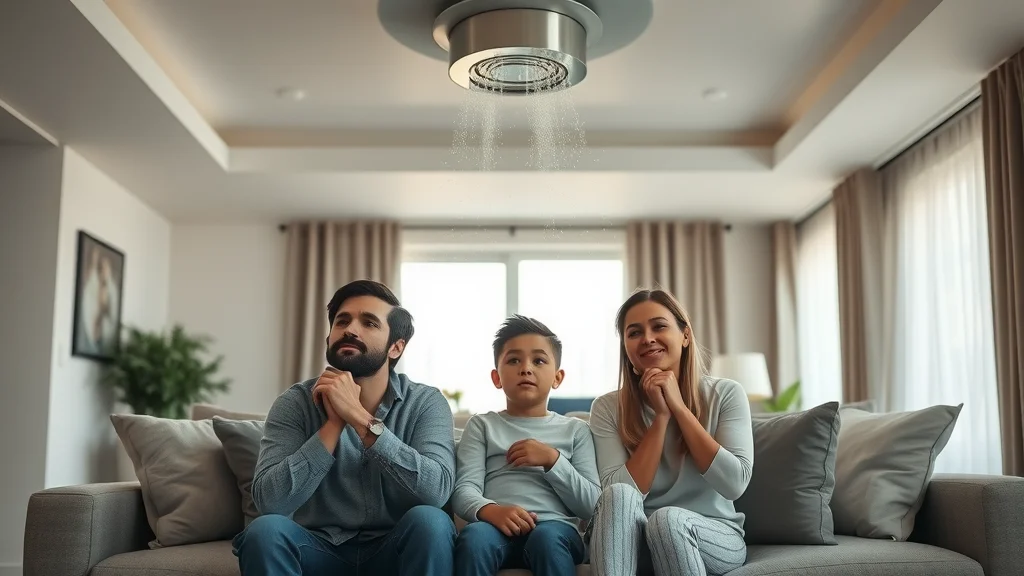
Every year, home fires claim thousands of lives and cause billions in property damage. Fire moves faster than most people realize; flashover can occur in less than 3 minutes, making immediate response critical. Yet, standard smoke alarms only warn—they don’t act. This is where residential sprinkler installation makes all the difference. Modern fire sprinkler systems are designed to activate automatically at the first sign of fire, controlling or extinguishing flames before they can spread, and providing crucial life safety protection when every second counts. Integrating home sprinkler systems drastically reduces fire deaths and injuries, limiting the impact to a single room in most cases. The peace of mind, knowing your property and family can have life-saving fire protection 24/7, is invaluable.
Moreover, fire sprinklers also protect your investment by minimizing damage and controlling water usage far better than the water from fire hoses. With improved technology and greater public awareness, residential fire sprinkler installation is now more accessible than ever. Understanding the basics, the installation process, and key considerations ensures you’ll make the best choice for your home, meeting both local building and national fire safety standards.
What You’ll Learn About Residential Sprinkler Installation
- The benefits and basics of residential sprinkler installation
- Key components and technology in a modern fire sprinkler system
- Step-by-step installation overview and common challenges
- Cost, compliance, and maintenance factors
- Top tips from industry-leading experts
Understanding Residential Sprinkler Installation and Fire Sprinkler Systems
What is a Residential Fire Sprinkler System?
A residential fire sprinkler system is a specialized life safety feature, engineered for single-family homes and residential buildings. Unlike commercial fire sprinklers, these systems are tailored to blend seamlessly with home aesthetics and plumbing, utilizing discreet sprinkler heads and compact water supply connections. The central purpose of these systems is to automatically detect high temperatures caused by fire, releasing water only where it’s needed. They work in tandem with smoke alarms to prevent home fires from escalating. These systems incorporate control valves, pipes, and modern materials—often including PVC pipe—to ensure reliability and longevity, with minimal visual impact in living spaces.
Homeowners gain several advantages with residential sprinkler installation: swift response to flames, minimized property damage, and compliance with updated local building codes. Residential fire protection is significantly enhanced by intelligent system design, including proper sprinkler head spacing and calculation of water pressure needs, as mandated by the NFPA (National Fire Protection Association). By investing in a fire sprinkler system, you not only meet construction requirements but also demonstrate a commitment to the well-being of your family and your community.
How Fire Sprinklers Work to Protect Your Home
When heat from a fire reaches a set temperature (usually between 135–165°F), the nearest sprinkler head activates automatically. Contrary to popular belief, fire sprinklers do not all go off at once; only the ones nearest the flames discharge water, ensuring efficient fire suppression and less property damage. The fire sprinkler system is directly connected to your home’s water supply, delivering a measured amount of water to control, contain, or extinguish the fire. Typically, a residential sprinkler uses much less water than a fire hose—saving you money in repairs and reducing water damage.
This rapid deployment of water keeps the home safer by lowering temperatures and suppressing smoke and toxic gases, providing more time for families to escape. In addition, home sprinkler systems are designed to operate reliably, even when you’re asleep or not at home, making them a cornerstone of modern fire protection strategy for all residential buildings.
As you consider the installation process, it’s also important to think about how other home improvement services can complement your fire safety upgrades. For example, working with experienced local painters in Eustis can help restore and refresh your interiors after sprinkler system work, ensuring your home looks its best while staying protected.
Residential Sprinkler Installation: Main Types and Technology
The Anatomy of a Sprinkler System
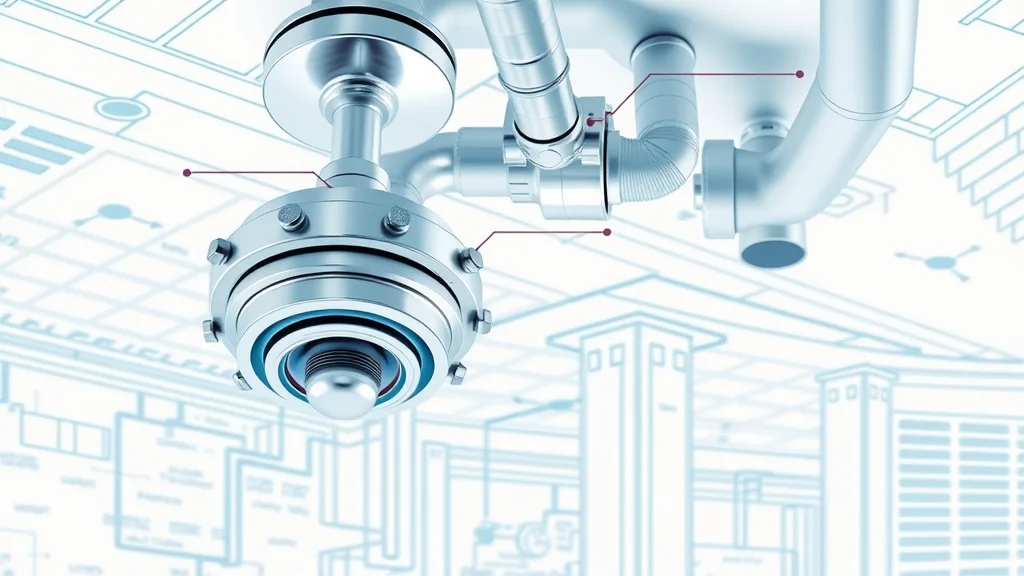
A typical residential sprinkler system consists of several critical components, each playing a role in fast and reliable fire suppression. The sprinkler heads serve as the system’s “nozzles,” carefully placed throughout the home for optimal coverage. Sprinkler head types vary (e.g., pendent, concealed, sidewall) so installation can fit each room’s layout. The backbone of the system is a network of piping and water supply, often constructed from CPVC or steel for durability.
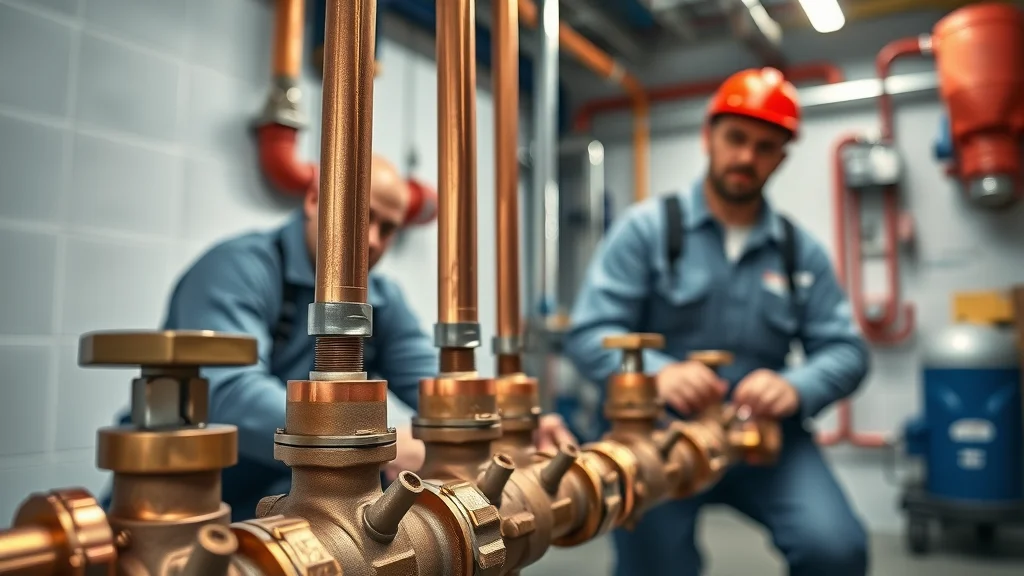
Control valves are positioned at strategic points to regulate water flow, and pressure gauges allow for monitoring system performance. This interconnected network ensures that during a fire event, water is readily available and the exact right sprinkler head activates. By using specialized valves, pressure settings, and careful installation, modern sprinkler systems are built for reliability and adaptability, even in varied climate or water supply conditions.
- Sprinkler heads and sprinkler head types
- Piping and water supply
- Control valves and pressure gauges
Choosing Between Wet, Dry, and Preaction Fire Sprinkler Systems
Every home is unique, so residential sprinkler installation must start with the right system choice. The three main types each offer specific benefits:
| System Type | Cost | Reliability | Ideal Use Cases | Maintenance |
|---|---|---|---|---|
| Wet Pipe | $$ (Moderate) | Very high—water always in pipes | Most home environments with regular climates | Minimal; simple inspection |
| Dry Pipe | $$$ (Higher) | High—water held back by air or nitrogen | Unheated or cold areas (garage, attic) | More frequent checks for air leaks |
| Preaction | $$$$ (Highest) | Very high—requires double activation | Special/critical rooms: home theater, server rooms | Technically complex; regular supervision |
Your installer will recommend the best fire sprinkler systems based on home layout, climate risk, and your budget. Regular monitoring and annual inspections are essential, regardless of system type.
Residential Sprinkler Installation: Step-by-Step Process
Site Assessment and Planning for a Home Sprinkler System
Proper planning is the starting point for any residential sprinkler installation. First, professionals will measure your home’s size and assess fire risk zones, identifying places like kitchens and bedrooms where early detection and suppression are critical. They’ll evaluate structural elements and available water supply, referring to both national fire standards and local building codes to ensure compliance.
With this information, designers develop a custom layout, ensuring optimal sprinkler head placement throughout the home. This strategy maximizes protection while minimizing unnecessary costs. Factors like ceiling height, room size, and the presence of hidden spaces are all assessed so that every potential fire origin point is addressed. By working with experienced installers, you’ll avoid common design errors and guarantee a smooth path to code compliance.
- Measuring home size and fire risk zones
- Designing optimal residential sprinkler head placement

Installation: From Permitting to Pipework
Residential fire sprinkler installation is a multi-step process, each stage critical to both life safety and legal acceptance. Here’s an overview:
- Obtaining necessary permits and understanding residential fire codes: Work with your local building department to ensure all required paperwork and compliance with the national standard for the installation of sprinkler systems (NFPA 13D) are secured.
- Selecting the right sprinkler system components: Based on your site plan, installers select appropriate sprinkler heads, pipes (often PVC pipe or copper), valves, and detectors.
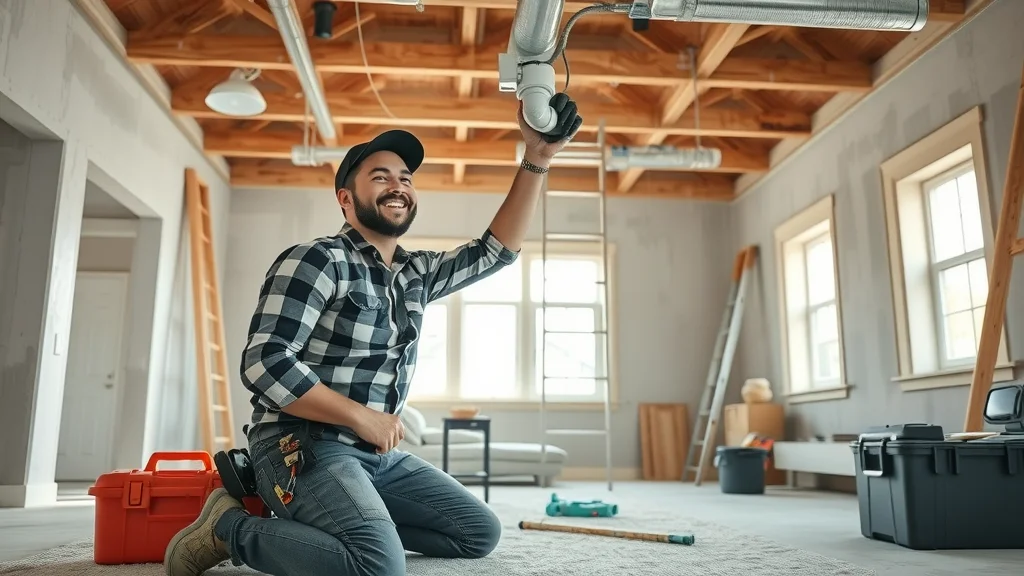
- Physical installation: Technicians lay pipes according to the blueprint, cut wall and ceiling access points as needed, and fit every sprinkler head carefully per the specified spacing and room size.
- Connecting control valves and testing water pressure: Once the system is assembled, it’s connected to the home’s water supply, and water pressure is tested to confirm robust and reliable performance.
Quality checks and local authority inspections close the process, confirming that your fire sprinkler system is ready for round-the-clock operation and code compliance.
Common Mistakes in Residential Sprinkler Installation
Even the best technology can’t offset installation mistakes. Common pitfalls include:
- Inadequate water pressure calculations: If the supply or pressure is miscalculated, the sprinkler system may fail to operate in an emergency, risking greater home fire danger.
- Incorrect sprinkler head spacing: Too few or misaligned sprinkler heads can leave areas unprotected, while crowding may result in system malfunctions or code violations.
- Improper maintenance planning: Without a schedule for routine inspection and prompt repairs, small issues with valves or leaks can quickly grow, compromising both life safety and code compliance.
To avoid these costly errors, homeowners should always work with certified installers knowledgeable about residential fire standards and maintenance requirements.
Cost Considerations for Residential Sprinkler Installation
Average Costs of Fire Sprinkler Systems
The cost of residential sprinkler installation varies depending on home size, local labor rates, and system complexity. On average, installation in new construction ranges from $1.00 to $2.50 per square foot, while retrofits in existing homes may run $2.50 to $5.00 per square foot. The type of system (wet, dry, preaction) and the quality of sprinkler heads also influence the final price. Upfront investment is offset by potential home insurance savings, improved fire protection, and property value increases—making it a cost-effective solution in the long term.
Typical starter homes may see total costs as low as $4,000 to $6,000, while larger or more complex homes might require $10,000 or more, especially if additional plumbing or code upgrades are needed. While this may seem significant, most homeowners quickly recognize the value, especially compared to the cost of fire damage and the priceless safety benefits for families.

Factors Affecting Residential Sprinkler Installation Price
Several variables will impact your total project costs:
- Home size and complexity: Larger homes with multiple stories, vaulted ceilings, or complex layouts require more piping, sprinkler heads, and labor.
- Type of sprinkler system: Wet pipe systems are generally less expensive than dry or preaction models, which are suited to cold climates or special applications.
- Labor and regional code requirements: Local building codes, permits, and required inspections can affect installation timeframes and fees. Experienced, certified installers may also charge premium rates for quality assurance and safety compliance.
Discuss these cost factors with your installer to clarify what’s included and make the most cost-efficient decisions for long-term home safety and fire protection.
What Insurance and Incentives Exist for Home Fire Safety?
Many insurance providers offer premium discounts to homeowners investing in residential fire sprinkler systems. Savings can range from 5% to 10% (or more), depending on their policies and your region. Some local governments and utilities also offer rebates or incentives for adding fire protection features during home improvements or construction.
Let’s break down typical investment and savings:
| Project Component | Estimated Cost (Annualized) | Potential Insurance Savings | Maintenance |
|---|---|---|---|
| Sistema installation | $1,000–$7,000+ (one-time) | 5–10%/year | $100–$200/year |
| Annual Inspection/Maintenance | $100–$200/year | Included in above | Required for code & insurance |
“A properly installed residential fire sprinkler system is the most reliable way to protect your home and loved ones from devastating fire.” — NFPA Fire Protection Specialist
Key Installation Tips from Residential Sprinkler Experts
- Select certified residential fire sprinkler system installers
- Verify ongoing support and emergency maintenance access
- Prioritize system testing and annual inspections
Always work with qualified technicians familiar with both local building and national fire standards. Schedule regular system tests to ensure full functionality, and find installers offering 24/7 support to maintain optimal fire protection. An expert will not only ensure a properly installed sprinkler system but will also guide you through maintenance and compliance for the long run.

People Also Ask: Answers to Common Residential Sprinkler Installation Questions
How much does it typically cost to install a sprinkler system?
The average cost to install a residential fire sprinkler system in a new home is between $1.00 and $2.50 per square foot. For a 2,000-square-foot house, this equates to approximately $2,000–$5,000. If you’re updating an existing residence, retrofitting generally costs more, ranging from $2.50 to $5.00 per square foot. System type, local labor rates, building code requirements, and the chosen sprinkler heads all affect final pricing. Remember—upfront costs are often balanced by savings from reduced fire damage, lower insurance rates, and enhanced life safety for your family.
What is the 3x rule for sprinklers?
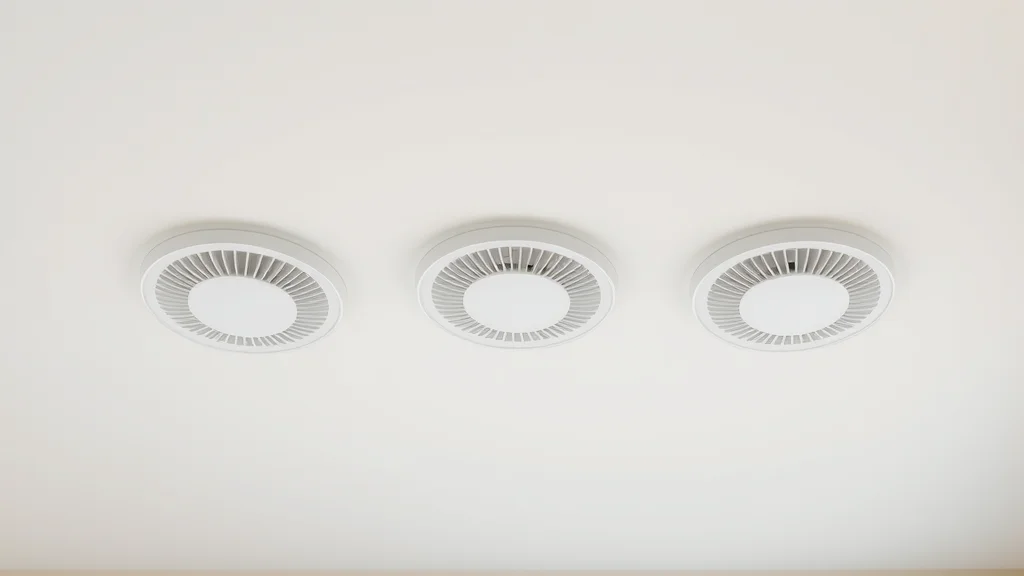
The “3x rule” in fire sprinkler installation refers to the code standard that each sprinkler head should be installed at a distance at least three times its width (or deflector size) from adjacent walls or other sprinklers. This code ensures even water distribution and optimal fire protection throughout each room, preventing cold spots or overspray. According to the national standard for the installation of sprinklers, following the 3x rule is essential for both compliance and reliable fire suppression in any home fire scenario.
How much does it cost to install a sprinkler irrigation system?
While this guide focuses on fire protection, it’s helpful to know that installing a lawn sprinkler or garden irrigation system generally costs between $2,500 and $4,500 for the average property. However, this system is entirely separate from a residential fire sprinkler installation, as it uses a distinct water supply and delivers water amounts tailored for landscaping—not life safety.
Can I install my own sprinkler system?
Technically, some handy homeowners may be tempted to attempt installation of sprinkler systems themselves. However, given the critical importance of life safety, strict fire codes, and technical complexity of water supply and pressure calculations, it’s highly recommended to work with licensed professionals. A small mistake can render the system ineffective or out of code, risking fire deaths, fines, or insurance issues. Professional residential fire sprinkler installation ensures your system works in the moment you need it most.
Residential Sprinkler Installation: Maintenance, Codes, and Compliance
Ongoing Residential Fire Sprinkler System Maintenance
- Regular system inspection and testing
- Prompt repairs for leaks or faults
- Documentation for compliance and insurance
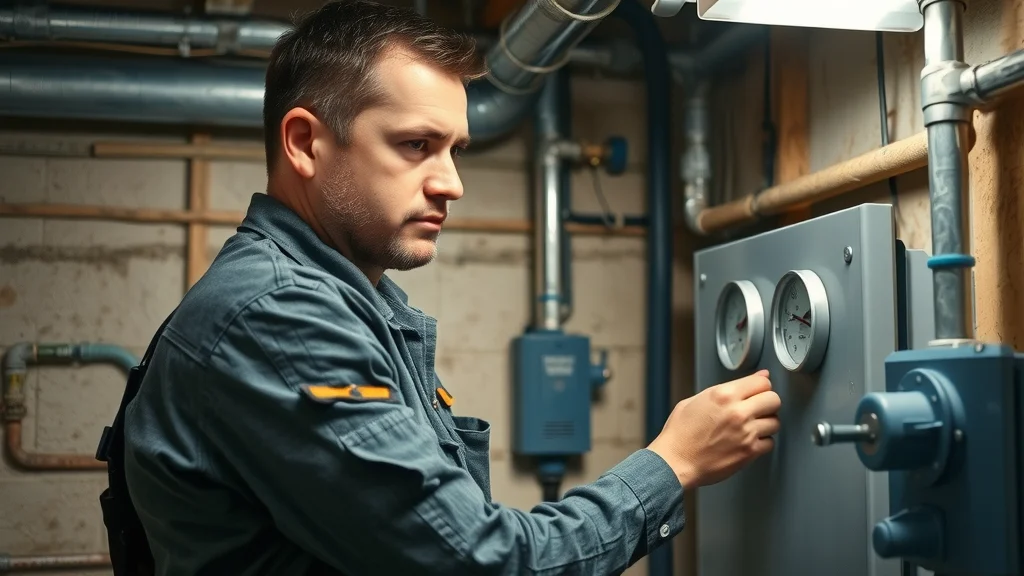
To maintain optimum fire protection, residential sprinkler systems require annual professional inspection. This includes checking every sprinkler head, verifying water pressure, and ensuring all valves and gauges work properly. Immediate attention must be given to any detected leaks, corrosion, or impaired triggers. Keep maintenance logs, as these are needed for insurance claims and compliance with local codes. Ongoing attention will sustain system longevity, reliability, and peace of mind for homeowners.
Staying Up-to-Date with Codes and Standards
Building and fire safety codes evolve continually. Keeping up with the installation of sprinkler systems standards (notably, NFPA 13D for residential buildings) and local amendments is vital. Your installer should provide system documentation, test reports, and information for any future upgrades. Schedule periodic re-inspections with a certified expert—especially if you remodel or add to your home. Staying current ensures your fire sprinkler system remains ready for any emergency.
FAQs: Your Residential Sprinkler Installation Questions Answered
- What should I look for when hiring a sprinkler installer?
Ensure they are certified, experienced with residential projects, and knowledgeable about both national and local codes. Request references and proof of insurance. Reputable installers provide clear contracts and maintenance support. - How often should home sprinkler systems be tested?
At least once per year by a qualified technician. Additional checks are needed after renovations, system repairs, or suspected damage. - Will sprinklers go off accidentally?
Accidental activation is exceedingly rare. Each sprinkler head is triggered by direct heat, not smoke or routine household activities. Proper installation further reduces any risk. - How long does an installation take?
New builds may take 2–4 days, while retrofits usually require a full week, depending on home size and complexity. Factor additional time for permitting and inspections in your planning.
Key Takeaways from Residential Sprinkler Installation
- Residential sprinkler installation massively reduces home fire risks and fatalities.
- Proper design and expert installation matter for long-term protection.
- Regular inspection safeguards investment and ensures code compliance.
Ready to Upgrade? Partner with Local Experts for Your Residential Sprinkler Installation
If you’re ready to take the next step in home fire safety, consult certified local professionals for guidance. They’ll help you design, install, and maintain a system that truly protects what matters most.
Local Business in the Eustis Area? Reach out to us to advertise and reach thousands of local homeowners!
Enhancing your home’s safety with a residential sprinkler system is a powerful step, but it’s just one part of a comprehensive approach to property care. To further elevate your living environment, consider exploring other trusted home service professionals in your area. Whether you’re planning a renovation, need expert repairs, or want to maintain your home’s value, discovering reputable home improvement specialists in Eustis can help you achieve a safer, more beautiful, and resilient home for years to come.