


Did you know that indoor air can be up to five times more polluted than outdoor air? For asthma sufferers, the right HVAC system isn’t a luxury—it’s a necessity. Indoor air can harbor hidden dangers that silently trigger asthma and allergy symptoms, yet many homeowners overlook the powerful role their HVAC system plays. In this guide, we’ll reveal how asthma-friendly HVAC systems offer life-changing improvements in air quality, providing your family not only comfort but essential protection. Whether you’re living with asthma, seasonal allergies, or concerned about air pollution, this article breaks down how you can create a truly healthy home environment.
Asthma-Friendly HVAC Systems and Better Air Quality: Why It Matters
“Did you know that indoor air can be up to five times more polluted than outdoor air? For asthma sufferers, the right HVAC system isn’t a luxury—it’s a necessity.”
- Over 25 million Americans have asthma, and indoor air quality is often overlooked as a key trigger.
- Common indoor pollutants—such as dust mites, pet dander, and mold spores—can make asthma symptoms worse.
- Children and seniors are particularly vulnerable to poor indoor air, increasing the need for allergy-friendly HVAC systems.
- Standard HVAC systems may inadvertently circulate these triggers unless optimized for asthma and allergies.

Impact of HVAC Systems on Asthma and Allergy Sufferers
For asthma sufferers, the relationship between HVAC systems and air quality is profound. A high-performing hvac system goes beyond simple temperature management; it can significantly reduce air pollutants and control humidity, effectively managing asthma triggers in your home. Air filters collect allergens like dust mites and pet dander, while advanced ventilation filters out mold spores and pollen. Unfortunately, undersized, poorly-filtered, or neglected HVAC systems can worsen air quality—spreading dust, distributing pollen, and exacerbating allergy and asthma symptoms. For the millions battling asthma and allergies, a truly asthma-friendly HVAC system serves as the first line of defense against potentially hazardous indoor air.
The importance of proper air filters and scheduled maintenance cannot be overstated for asthma and allergy management. Upgrading to systems with HEPA filters or adding UV light technology targets not just larger particles but microscopic asthma triggers, including bacteria and viruses. Families with children or elderly members especially benefit from these systems, as they reduce asthma attacks and provide a safer, more comfortable living environment. Investing in an asthma-friendly HVAC system is as crucial as stocking inhalers and avoiding known triggers—it peels away a hidden layer of concern for everyone under your roof.
Link Between Air Quality and Asthma Control
Air quality in the home can make or break asthma management plans. According to the Asthma and Allergy Foundation of America, poor indoor air quality is a top reason for asthma attacks. Particles not visible to the naked eye—such as pet dander and dust mites—linger and recirculate if your system cannot filter them out. For those experiencing frequent asthma or allergy symptoms at home, upgrading your HVAC system is a solution proven to make a tangible difference. Ensuring clean indoor air requires regular filter changes, monitoring humidity levels, and maintaining proper ventilation, which collectively help prevent asthma attacks and improve overall wellness.
Integrating technologies like HEPA filtration and UV light targets both visible and invisible pollutants, reaching the root causes of respiratory distress. A well-maintained, expertly selected asthma-friendly HVAC system reduces hospitalization risk and minimizes medication dependence for people with asthma. There is strong evidence that investing in indoor air quality pays off in fewer sick days, more restful sleep, and overall peace of mind for everyone in your home.
What You’ll Learn About Asthma-Friendly HVAC Systems
- Key features of asthma-friendly HVAC systems
- How to evaluate HVAC filters and technologies for asthma
- Tips for maintaining healthy indoor air quality
- Practical advice for families with asthma and allergy concerns
Understanding Asthma-Friendly HVAC Systems: Key Terminology
| Term | Definition | Asthma-Friendly Benefits |
|---|---|---|
| HVAC System | Heating, Ventilation, and Air Conditioning system that regulates temperature and air quality. | Efficient air movement, filtration, and humidity control reduce asthma symptoms and triggers. |
| Air Filter | Component that captures dust, pollen, and other particulates as air passes through the HVAC. | Removes common asthma triggers like dust mites and pet dander. |
| HEPA Filter | High-Efficiency Particulate Air filter that captures 99.97% of particles as small as 0.3 microns. | Best protection against microscopic asthma triggers—essential for severe asthma and allergy cases. |
| UV Light | Ultraviolet light device installed in ductwork or near coils to destroy bacteria, viruses, and mold spores. | Neutralizes biological contaminants invisible to traditional filters; ideal for comprehensive asthma control. |
| Air Conditioner | A system or device that cools indoor air and sometimes assists with humidity regulation. | Properly sized and filtered air conditioners aid asthma relief and prevent excess indoor humidity. |
How HVAC Systems Affect Indoor Air Quality for Asthma Sufferers
Common Indoor Air Pollutants and Their Role in Asthma
The average home harbors a range of indoor air pollutants that contribute directly to worsening asthma symptoms. These include visible dust, pet hair, pollen, and less obvious offenders like dust mites, pet dander, and mold spores. Upon entering the home through windows, doors, or shoes, these triggers settle into carpets, furniture, and ductwork—often going undetected until an asthma attack occurs. Many standard hvac systems lack specialized filtration, allowing tiny allergens to circulate with every air cycle. For asthma sufferers seeking relief, understanding the role of air filters and advanced HVAC technologies is the foundation of year-round asthma control.
Beyond the well-known triggers, ultra-fine particles such as volatile organic compounds (VOCs) from cleaning products and smoke from cooking can also aggravate asthma. Children are especially vulnerable, as their developing lungs are more sensitive to air pollution and poor indoor air quality. By selecting the right air filters, maintaining your HVAC system, and monitoring sources of indoor contamination—such as unchecked humidity or water leaks leading to mold—families can substantially lower asthma and allergy risks within their homes.
Indoor Air Quality Metrics to Monitor
Tracking indoor air quality metrics is pivotal for maintaining an asthma-friendly environment. The primary factors to monitor include particulate matter (PM2.5 and PM10), which measure tiny airborne particles that commonly trigger asthma attacks. Humidity level is also crucial; excessively dry or moist air encourages dust mites and mold, both notorious asthma triggers. Homeowners should use digital air quality meters to regularly check for high levels of pollutants, including VOCs and carbon dioxide, which signal inadequate ventilation or overuse of chemical-laden products.
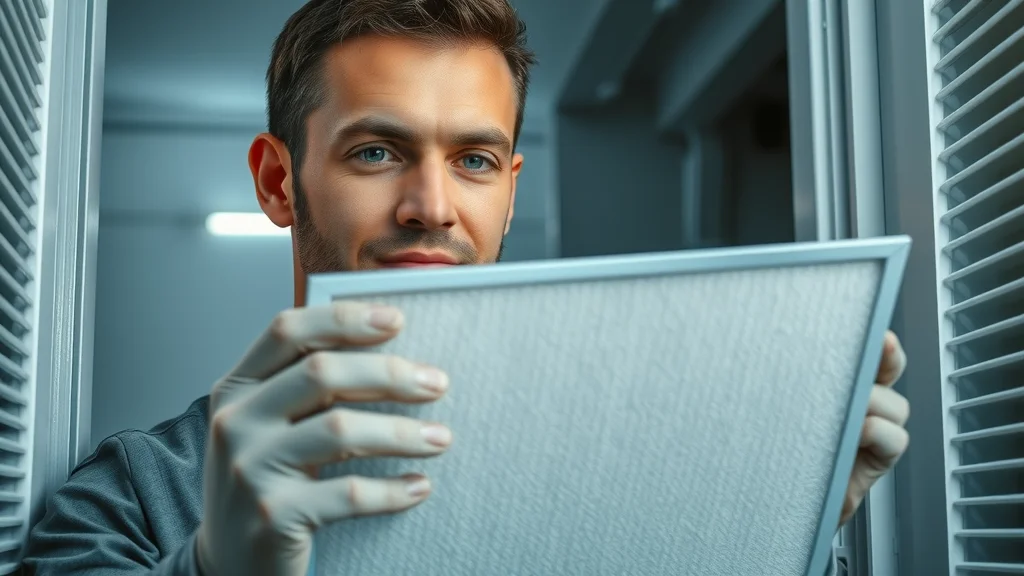
Air filter condition and replacement frequency impact overall system performance. Clogged or low-quality air filters allow pollutants to recirculate, negating the benefits of even advanced air conditioning equipment. Routine tracking of these indicators—coupled with transparent filter maintenance logs—will guide families in keeping indoor air at safe, asthma-friendly levels. Remember, improving indoor air quality isn’t just about temperature—it’s about your family’s health.
“Improving indoor air quality isn’t just about temperature—it’s about your family’s health.”
Essential Features of Asthma-Friendly HVAC Systems
- Advanced air filters: HEPA and beyond, for maximum particle removal
- UV lights: Destroy bacteria, viruses, and mold spores not trapped by filters
- Humidity control: Regulates moisture to prevent dust mite and mold growth
- Ventilation systems: Ensure fresh air exchange and prevent contaminant buildup
Top HVAC System Types for Asthma and Allergy Prevention
Central Air Conditioners with Allergy-Friendly Design
Central air conditioning remains among the most sought-after solutions for families tackling asthma and allergies. These whole-home systems offer robust, consistent filtration and even temperature control for every room, making it harder for dust, pollen, and pet dander to accumulate in “cold spots” or areas of poor circulation. When paired with high-efficiency air filters—like HEPA filters or MERV-13 and above—central air conditioners trap vast quantities of asthma and allergy triggers, including dust mites and mold spores.
Look for models labeled as allergy-friendly or ones that have received certifications from organizations like the Asthma and Allergy Foundation of America. Some central systems come with built-in UV lights or integrate seamlessly with whole-home air purification units. As with all asthma-friendly HVAC systems, regular filter replacement, duct inspection, and scheduled pro tune-ups are essential to maximize both comfort and health benefits for all household members.
Ductless Mini-Splits: Pros and Cons for Asthma Sufferers
Ductless mini-split systems have surged in popularity due to their flexible installation, energy efficiency, and direct room-by-room climate control. For asthma sufferers, these systems provide a double-edged sword: On one hand, their lack of ductwork eliminates the hidden buildup of dust and mold often found in traditional HVAC systems. On the other, their standard filters tend to be less robust than those in central units. However, many modern mini-splits offer upgrade options with electrostatic, HEPA, or even UV-enhanced filters, helping to capture airborne allergens with impressive efficiency.
Maintenance is straightforward—simply access and replace (or wash) the filter at each indoor unit. While ideal for retrofitting older homes or supplementing specific rooms, asthma and allergy sufferers should prioritize units that support high-quality filtration and combined humidity control. Pairing a mini-split with a portable HEPA air purifier delivers the same cleaning power as more complex central systems for smaller spaces. If chosen thoughtfully, ductless systems offer a scalable, effective solution to improve air quality for families with asthma and allergies.

Whole-Home Air Purifiers and HEPA Filters
For the gold standard in asthma control, whole-home air purifiers integrated with a central HVAC system outperform stand-alone options. These purifiers leverage hospital-grade HEPA filters to capture up to 99.97% of airborne particles, including the most problematic asthma triggers—dust mites, pet dander, and mold spores. Unlike portable purifiers, these solutions work 24/7 in every room, creating a safe, consistent environment for asthma and allergy sufferers.
Some advanced models add UV lights or activated carbon filters, targeting gases and biological contaminants for fuller protection. When shopping, seek out systems designated as “asthma and allergy friendly” by certification programs, which ensure the units are tested for particle reduction and filter performance. This one-time investment streamlines air cleaning, reducing the number of devices you need and drastically lowering asthma attack frequency.
Choosing the Best Air Filter for Asthma-Friendly HVAC Systems
- HEPA vs. Electrostatic vs. Pleated Air Filters: HEPA filters top the class by removing the smallest particles, electrostatic filters attract particles using an electric charge, and pleated filters offer a balance of affordability and efficiency.
- Ratings: MERV and Filter Efficiency: MERV (Minimum Efficiency Reporting Value) rates filter performance; higher numbers (13+) mean smaller particle filtration. Always match your system’s specs.
- Filter Replacement Frequency and Maintenance: Even the best filters lose effectiveness when dirty—replace every 1–3 months, check monthly for heavy-use homes or severe allergy/asthma cases.
UV Light and Advanced Filtration: Improving Air Quality in HVAC Systems
How UV Lights Destroy Asthma Triggers
- UV light technology is a game-changer for asthma-friendly HVAC systems, targeting airborne pathogens traditional filters miss. By installing UV lamps in your HVAC ductwork, you neutralize the DNA of bacteria, viruses, and mold spores—rendering these asthma triggers harmless before they can circulate through your home’s air supply. UV devices are especially effective when paired with HEPA or high-MERV filters, ensuring both particulate and biological threats are handled.
- Households with recurring issues of mold or persistent asthma attacks see dramatic improvements after adding UV technology. While UV isn’t a substitute for filtration, it complements the system and brings indoor air quality to professional clinic standards. For families seeking a clinical level of asthma relief, UV light is both affordable and low-maintenance, requiring only periodic bulb replacement.

Combining HEPA Filters and UV for Maximum Indoor Air Quality
The ultimate solution for managing asthma indoors is the combination of HEPA filtration and UV technology. HEPA filters physically capture fine particles—such as dust mites, pet dander, and pollen—while UV lights neutralize living microorganisms that slip through. Together, this dynamic duo provides families with unrivaled defense against infection, allergies, and environmental asthma triggers. Many allergy-friendly HVAC systems now come with both features, used in hospitals and cleanrooms for their proven effectiveness.
Best practice includes annual inspection of both filters and UV bulbs to guarantee peak performance. When installed professionally and maintained correctly, this setup slashes airborne asthma triggers dramatically, resulting in a measurable decrease in asthma and allergy symptoms for everyone in your household.
Proper HVAC Maintenance for Healthy Indoor Air Quality
- Regular duct cleaning and inspections: Prevent dust, pet dander, and mold buildup—schedule bi-annual checks and as-needed cleanings.
- Seasonal tune-ups and filter changes: Changing filters before each cooling and heating cycle preserves air flow and efficiency.
- Detecting and fixing leaks quickly: Water leaks can lead to mold, while duct leaks reduce filtration—address both to keep air clean and safe.
Smart Thermostats and Zoning: Enhancing Asthma-Friendly HVAC Systems
Optimizing Temperature for Asthma and Allergy Management
Consistent temperatures and low humidity are critical for asthma and allergy control. Smart thermostats give families accurate control over these settings, allowing for finely tuned adjustments throughout the day. With zoning, different rooms or floors can be maintained at ideal conditions, preventing pockets of dust or mold-friendly moisture. Experts recommend keeping indoor temperatures between 68–72°F and relative humidity below 50% to minimize dust mites and mold spores—common asthma triggers.
Most smart thermostats are easy to program and can even be linked to air quality sensors for proactive, automated adjustments. By pairing zoning with modern controls, families can minimize asthma triggers and ensure that bedrooms, playrooms, and living spaces stay safe for even the most sensitive individuals.
Automated Controls for Air Conditioner Settings
Advanced smart thermostats are capable of learning your family’s routines, automatically switching HVAC modes or adjusting fan speeds based on use and indoor air quality feedback. Some connect to smartphone apps for remote management—ideal for quick changes during allergy season or on high-pollen days. Automated controls also reduce human error, ensuring optimal air conditioner performance and maximizing protection against asthma attacks.
This approach is especially useful for busy households, seniors, or families managing asthma and allergies in children. By leveraging technology, asthma-friendly HVAC systems can offer reliable and preventative indoor air safety around the clock.
Cost-Effective Upgrades for an Asthma-Friendly HVAC System
- Budget options: Upgrade to high-MERV or HEPA filters and place portable air purifiers in bedrooms or main living spaces.
- Investing in whole-home solutions: Whole-house purifiers and humidity controllers deliver the broadest and most reliable benefits.
- Rebates and incentives: Many utility companies and health organizations offer rebates for allergy-friendly and energy-efficient HVAC upgrades.
Step-by-Step: Retrofitting Existing HVAC Systems for Asthma and Allergy Concerns
- Assess current air filter type and MERV rating: Check your HVAC system’s manual and existing filters to determine the baseline filtration.
- Install or upgrade to HEPA filters: If your system allows it, replace with HEPA; otherwise, use the highest compatible MERV-rated filter.
- Consider UV light add-ons: If molds and bacteria are a concern, install a UV device in the ductwork.
- Humidity and ventilation adjustments: Add dehumidifiers or ventilation fans to maintain optimal air quality and comfort.
Professional Support: When to Consult HVAC Experts
- Identifying asthma and allergy triggers in your home
- Customizing an HVAC system for your family’s needs
“A professional can spot what you might miss when controlling asthma triggers at home.”
Real-Life Success Stories: Asthma-Friendly HVAC Systems Make a Difference
- Case studies: Families with severe asthma notice fewer symptoms and hospital visits after upgrading HVAC systems and filters.
- User testimonials: Homeowners often report improved sleep, less reliance on medication, and overall peace of mind from cleaner indoor air.

Potential Pitfalls and Common Mistakes with Asthma-Friendly HVAC Systems
- Using incorrect or poor quality air filters
- Neglecting regular maintenance
- Improper sizing of HVAC units causing poor airflow
People Also Ask: Can you do HVAC with asthma?
Asthma and Working with HVAC Systems
Individuals with asthma can certainly work in the HVAC industry, provided they take special precautions when exposed to dust, mold, or strong chemical odors during maintenance and installation. Wearing protective masks, using anti-allergenic gloves, and ensuring good ventilation while working will help prevent asthma attacks. If you are an asthma sufferer, discuss safety protocols with your employer and bring any necessary medications on-site. Most importantly, consult with your healthcare provider to assess your tolerance for workplace exposures.
People Also Ask: What is the best HVAC filter for allergies and asthma?
Selecting the Right HVAC Filter for Asthma-Related Needs
The best HVAC filter for asthma is typically a certified HEPA filter, which captures 99.97% of airborne particles down to 0.3 microns, including dust mites, pollen, pet dander, and mold spores. High-MERV pleated filters (MERV 13 or higher) are also effective for most homes. Look for air filters labeled “asthma and allergy friendly” by independent organizations or certification programs. Ensure your HVAC system’s specifications can handle the airflow resistance of higher-grade filters before upgrading.
People Also Ask: What is the best heating system for asthma patients?
Heating Systems that Reduce Asthma and Allergy Symptoms
For asthma patients, radiant or hydronic heating systems are preferred because they avoid blowing dust and allergens around the home. However, forced-air heating equipped with HEPA filtration and humidity control can also be effective if well maintained. Avoid using space heaters that can encourage dust and dry out the air. The most important feature is the system’s ability to support advanced filters and maintain balanced moisture levels to minimize asthma triggers.
People Also Ask: What is the best AC setting for asthma?
Ideal Air Conditioner Settings for Asthma Relief
The best AC setting for asthma is keeping the temperature between 68–72°F and relative humidity levels below 50%. These conditions minimize dust mite activity and discourage mold growth. Using the “auto” fan setting helps circulate air with frequent filtration, while avoiding excessively low temperatures prevents airway irritation for asthma and allergy sufferers. Smart thermostats make these targets easier to manage and maintain consistently throughout the day.
FAQs: Asthma-Friendly HVAC Systems
- How often should I replace air filters in an asthma-friendly HVAC system? Replace or clean filters every one to three months, or more frequently if you have pets or live in a high-pollen area.
- Are portable air conditioners safe for asthma sufferers? Yes, provided the unit is kept clean and used with a HEPA filter or built-in air purification features.
- What certifications should I look for in asthma-friendly HVAC components? Look for products certified by the Asthma and Allergy Foundation of America, Allergy Standards Limited, or similar independent bodies for proven allergen reduction.
- Can HVAC systems make asthma worse if not maintained? Absolutely. Dirty filters, leaky ducts, and uncleaned systems can spread dust, mold, and bacteria, increasing asthma attacks and allergy symptoms.
Key Takeaways: Asthma-Friendly HVAC Systems to Protect Your Family
- Invest in high-quality, asthma-friendly HVAC systems and filters.
- Regular maintenance is essential for optimal air quality.
- Professional guidance ensures the right solution for your home.
Looking to Reach Local Homeowners?
Local Business In the Eustis Area? Reach out to us to advertise and reach thousands of local homeowners!
To enhance your understanding of asthma-friendly HVAC systems, consider exploring the following resources:
-
“Indoor AirPlus and Asthma”: This resource from the U.S. Environmental Protection Agency (EPA) details how the Indoor AirPlus program assists in reducing asthma triggers through improved indoor air quality practices. (epa.gov)
-
“Knauf Performance+™ CERTIFIED Asthma & Allergy Friendly®”: This article introduces Knauf’s Performance+™ HVAC fiberglass insulation, the first of its kind to receive asthma & allergy friendly® certification, highlighting its formaldehyde-free composition and low VOC levels. (smacna.org)
If you’re serious about creating a healthier indoor environment for asthma sufferers, these resources provide valuable insights and practical solutions.